
Strait of Hormuz Tensions Escalate: US Vows Indefinite Naval Presence as Iran Claims Strategic Waterway Control
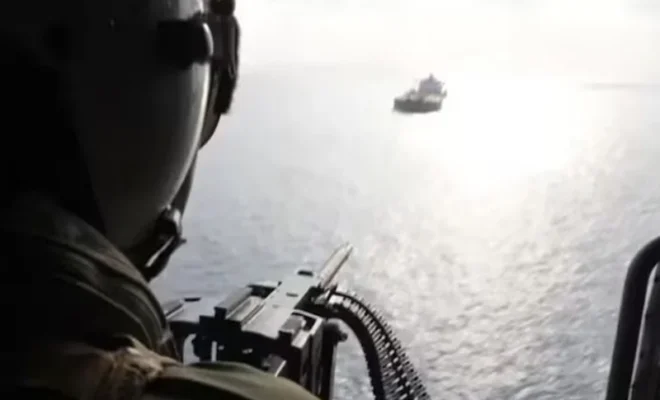
In terms of the Strait of Hormuz tension, things have now become more serious as both the US and Iran compete for control over the world’s most vital energy corridor. The US has claimed that its naval blockage of Iran can continue for an indefinite amount of time, whereas Iran holds that the strategic waterway is still under its control.
The situation is receiving attention due to the fact that the Strait of Hormuz is one of the most critical waterways in the world in terms of transporting oil and natural gas across the globe. Even though there has been a sharp decrease in vessel movement within the strait.
Why Is the Strait of Hormuz So Important?
Strait of Hormuz links the Persian Gulf to the Gulf of Oman and Arabian Sea, thus serving as an important link in energy exports from several countries located in the region.
Prior to the current crisis, about one-fifth of global shipments of both oil and LNG transited through the strait. This is why the fall in traffic has wider implications than just those related to Iran and the United States.
Given the significance of the strait, it is easy to see why the issue of control over maritime traffic has been so important in the ongoing crisis. Even when the vessels were able to pass through it, it was possible to make them refrain from doing so for reasons of security and insurance, among others.
Why the US Is Threatening an Indefinite Blockade
According to the US defense secretary Pete Hegseth, US Navy has the capacity to maintain their blockade of Iranian ports indefinitely by using rotation of ships into and out of the area. This statement was made amid failed attempts to broker a ceasefire and a warning by the US that more economic pressure will be applied to Tehran.
This tactic is meant to apply ongoing pressure on Iran without hindering normal shipping activities for the Iranians. In addition, US administration has declared that it wishes to ensure the freedom of passage for other vessels apart from Iranian ships.
In the use of the indefinite term, the message being passed is that the administration is making preparation for a long period of conflict.
Iran Claims the Strait Is Under Its Control
Iran has dismissed the claims made by the United States and argues that the Strait of Hormuz is still under the country’s control.
It should be mentioned that Iranian authorities have noted that the ships could not navigate through the strait without permission from Tehran. The Iranian paramilitary leader Basij, Hossein Taeb, stated that the Strait of Hormuz was completely under Iranian control in contradiction to the claim of the US President, Donald Trump, that the United States has “total control” over the area.
The conflicting claims indicate the main issue at stake: presence of military force and control might differ from each other.
US can send naval forces and escorts, and Iran can leverage military potential on the coastline and geographical position, in addition to the threat of an attack.
Shipping Traffic Shows How Serious the Crisis Has Become
Whereas the indications of the crisis may not lie in the statements made by Washington or Iran, they may lie in the actual number of ships using the strait.
According to Reuters, commodity vessels were still under the August daily average as at August 14. The nine commodity vessels that traversed the route was much lower than the average of about 12 vessels each day during August. Traffic prior to the crisis had been much higher.
The fact that there is less vessel traffic indicates that the crisis is influencing decisions in the industry regardless of physical obstruction.
There are several factors that go into deciding if the operators would use the route for commercial operations. These factors include insurance, security of the vessel, cargo value and alternative routes.
UAE Vessel Attacks Add to the Pressure
The matter became even more serious when UAE accused Iran of launching an attack on two ships belonging to Abu Dhabi National Oil Company while they were passing through the Strait of Hormuz. No one was injured, and ADNOC has confirmed that the matter is already under control. Iran has not yet reacted to the accusations made by UAE.
These attacks are important because they relate to commercial energy transportations and increase concerns about the fact that the conflict might become even more serious and start influencing the countries of the Gulf and businesses which work through this route.
Further incidents related to commercial ships will only make the shipping companies more cautious and less willing to conduct normal business.
What Does This Mean for Global Oil Prices?
Impact of the Crisis on Energy Markets
Prices of oil started increasing on August 14 due to the announcement by the US that it will continue the blockade indefinitely. Currently, Brent Crude oil costs approximately $87.97 per barrel and West Texas Intermediate oil costs approximately $82.16.
There are multiple forces affecting current oil prices. Expectations of low demand growth and increase in US crude oil stocks are working against concerns in geopolitical situation.
Therefore, the final price of oil will depend on the duration of the disruption and ability of other sources to cover shortage of oil transiting through the strait.
Why India and Other Asian Economies Are Watching Closely
The current situation holds significant relevance for Asian economies which import energy since the Gulf region is one of the key suppliers of crude oil and LNG to the global market.
The continued problem might lead to increases in transportation and insurance costs, and thereby have an effect on the prices of fuel and inflation.
For India and other countries, this is not only about geopolitics but also about the price of oil, which will inevitably affect shipping costs and energy prices.
The longer this problem persists, the more serious its impact might be.
Could the Strait Remain Closed for Long?
This still remains to be seen.
Earlier, Iran had already shown reluctance in reopening the waterway until its issues were met, especially concerning any American military presence and sanctions. Negotiations with Oman on the issue have gone on for some time, although no concrete agreement was made yet.
Nonetheless, the move of Washington to show indefinite commitment to the navy in the area implies that no one seems ready to back down from its stance just yet.
This could result in a long-term confrontation where the waterway remains open but dysfunctional commercially.
What Happens Next?
The next important development would be contingent on how the process of diplomatic talks ends up producing an arrangement satisfactory to both parties.
In case an agreement restores normal commercial navigation, shipping could begin returning, and some pressure would be taken off energy markets.
However, in case there is no resolution of the conflict, continued attacks and naval confrontations will make the situation more dangerous. More ships will stay away from the strait, and energy markets will take into account prolonged periods of supply disruption.
At present, the conflicting claims voiced by Washington and Tehran reveal that the main problem of the Strait of Hormuz remains unresolved.
West Asia tensions are rising fast—stay ahead with these key related stories.
Why Did India Urge De-Escalation?
Check out India’s strong UNSC call to ease West Asia tensions and condemn Strait of Hormuz maritime attacks.
How Serious Is Strait Crisis?
Dive into the escalating U.S.–Iran strikes and their impact on global shipping routes and oil markets.
Why Is India Warning Citizens?
Find India’s urgent advisory asking citizens to leave Iran as regional tensions continue to intensify.
Could Iran Conflict Turn Catastrophic?
Look into the U.S. President’s dramatic warning as fears grow over a wider regional war.
Will UAE Fuel Prices Rise Further?
Track down the latest UAE petrol and diesel price announcement amid growing Middle East uncertainty.
Conclusion
Current Strait of Hormuz crisis is no longer about mere display of force. It represents a challenge about which country will succeed in controlling the flow of commercial energy through the strategically crucial route of the world.
According to the US, it has the naval capability to withstand pressure for an indefinite period of time. On the other hand, Iran states that the water route still belongs to it. In addition, the current shipping activity level is very low compared to the usual one, showing that the current tension affects the world economy.
It seems that the Strait of Hormuz will stay among the greatest geopolitical and economic hotspots of the world until the US and Iran arrive at the agreement.
In essence, the issue has become not about who controls the Strait of Hormuz but whether either party can bring commercial navigation back to normal condition.