
Electoral Roll Revision Explained: How Voter Verification Can Affect Democratic Participation
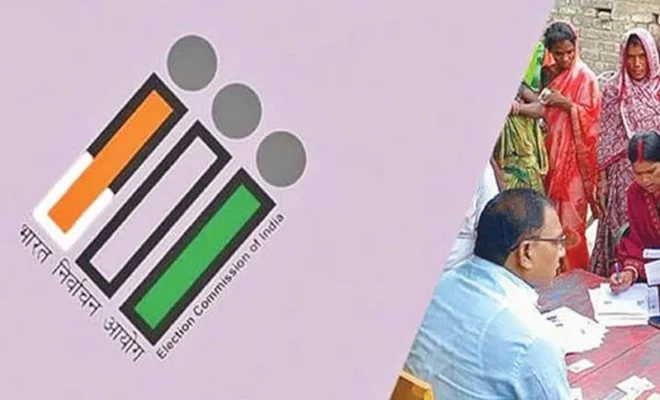
The electoral roll is not merely an administrative document. It is the basis upon which the entitlement to vote in an election is carried out. In India, a person is entitled to cast his vote only if his/her name is registered in the electoral roll for that particular constituency. Therefore, the Indian Election Commission regards proper electoral rolls as indispensable for free and fair elections.
Thus, electoral-roll revision is a very significant democratic process. At the same time, any process of verification that could lead to correcting, moving, adding, or leaving out names from the roll must be comprehended well. The key issue is not just whether the voter rolls should be cleaned. The question is how this procedure will guarantee the integrity of the rolls without depriving the eligible citizens of their voting right.
Why Electoral Roll Revision Matters
Electoral rolls will always be dynamic in nature, with people moving from one constituency to another, eligible citizens turning 18, death of some registered electors and even some duplications or outdated entries. This has been mentioned by the Election Commission itself, when describing the electoral roll revision process.
This is not just about deleting entries then, this is ensuring that the electoral roll remains representative of the eligible voters in the constituency.
The ECI has stated the objectives of the present Special Intensive Revision exercise in clear terms. Eligible citizens should not be disenfranchised, while ineligible ones should not be allowed to cast their votes.
This dual objective is very important because, while an electoral roll with ineligible citizens may cause lack of faith in elections, a verification process that excludes eligible citizens may result in a different kind of democratic deficit.
What Happens During Verification?
Revision of electoral roll entails different steps and not just one-step verification process. In an intensive revision exercise, the Booth Level Officers can visit houses and distribute enumeration forms to registered electors. The form could also be submitted via the approved process or online, depending on the revision exercise being carried out.
After the process, there would be publication of the draft electoral roll. This step is very crucial since it allows citizens to scrutinize the list and put forward their claims and objections. As stated in the electoral roll revision process of the ECI, inclusion, deletion, and corrections of errors are done after processing claims and objections according to the procedure.
Verification process should not end with an officer simply verifying the form.
Why Verification Can Affect Democratic Participation
The relationship between the verification of electoral votes and democracy is clear. In case a registered citizen is not there on the electoral list, even if he or she has voter ID or any other form of identification, it will not help him/her to vote. As per the ECI, the right to vote comes only if the name of the voter is there on the voter list.
That is why even a small administrative problem can have serious implications during elections.
Spelling errors, outdated addresses, wrong assumptions about the shift of the voter or non-completion of the verification procedure can have serious implications if such problems result in the omission of a valid voter from the list.
At the same time, there is a need for accuracy as far as the details are concerned because duplicate entries, entries of dead electors and those who have permanently shifted can distort the electoral database.
The Importance of Claims and Objections
This step is the most significant in the whole process, providing citizens with an opportunity for them to formally make an objection regarding the draft roll.
According to the ECI, draft and final electoral rolls will be available to the public, while recognized political parties get copies of both draft and final electoral rolls and claims and objections.
This is significant since electoral roll accuracy cannot solely rely on the machinery of the government. The citizens, by themselves, are the ones who have the ability to determine if the information provided by the government about their entry is accurate or not.
What If Your Name Is Missing?
A voter cannot assume that a name which is absent from the list will remain permanently so. The EC provides means to register oneself and for corrections and updates of electoral roll data.
Form 6 is used for registration of new eligible voters. It is also mentioned by the ECI that applications can be made even after final publication of the electoral roll via the continuous updation method.
Form 8 is utilized for correction of data already registered in the roll. This form is also used when the elector moves house and needs his electoral roll entry to be updated.
One can also know the status of his electoral roll data from the facilities provided by the ECI voter service.
Verification Should Be About Inclusion as Well as Accuracy
While there may be much talk about those that should be de-listed from the electoral roll, one cannot forget about those that should be included in the lists as well.
Citizens turning into voters, citizens that have been relocated to a new constituency, citizens that were never listed but have right to be listed and citizens whose data was listed incorrectly are all citizens that should get access to the registration process.
The ECI recognises four qualifying days, including January 1, April 1, July 1 and October 1, as days when citizens will turn 18 years old and can therefore make an application.
It clearly proves that electoral lists cannot be viewed as fixed documents and need to grow together with the population.
The Role of Transparency
Transparency in any electoral verification process is as crucial as the process itself.
Voters should be made aware of what needs to be verified, what information will be required from their end, what would happen in case of non-verifiability of an entry and how one can contest a negative decision. The political parties too must play their part in examining the electoral rolls under the processes available to them.
The present practice by the ECI is to make public the draft rolls and claims and objections, as also the processes for political parties to obtain necessary information.
The need for such a process is crucial as the faith in an election does not depend only on the list of voters but also the process by which it was arrived at.
A Balance Between Electoral Integrity and Access
However, the challenge facing democracy is striking a balance between two worthy objectives.
One is electoral integrity, which entails ensuring that the roll only consists of eligible electors and not duplicates or dead people or any other ineligible elector.
The other objective is access, which entails making sure that administrative processes cannot inadvertently deny eligible citizens the right to vote.
Both objectives must not be looked at independently of each other.
Electoral roll accuracy builds trust in elections, while access builds trust in eligible citizens remaining on that roll.
Conclusion
Electoral roll revision may seem to be an exercise in technical administration, but its impact is very much democratic, as it will determine which people are officially identified as electors, and hence who will be able to vote in the poll.
The current system of revision is focused largely on the verification aspect of updating records, and handling any discrepancies that may arise, as well as making room for objections, claimants, correcting inaccuracies and even registration of new voters.
It follows that there is only one guiding principle here – the issue of electoral accuracy and voter inclusion cannot be separated.
An accurate electoral roll is not just a clean roll with no errors. It is an accurate listing of all citizens eligible to vote. Maintaining such a balance demands both good administration and citizen involvement.
In this sense, the issue of voter verification does not come apart from democracy; rather, it is just one of the means through which the former can be achieved.
What’s Shaping India’s Electoral Landscape?
Why Do Clean Voter Rolls Matter?
Check out how electoral roll accuracy connects with election administration and voter registration.
What Changed In Odisha’s SIR Schedule?
Find the latest details on Odisha’s Special Intensive Revision process and electoral roll timelines.
What Did Congress Say About Bonds?
Uncover the political and legal debate surrounding electoral bonds and transparency in political funding.
What Does Prashant Kishor’s Prediction Mean?
Dive into Prashant Kishor’s electoral analysis and its implications for opposition politics.
How Can Election Influence Operations Threaten Democracy?
Look into how influence operations can affect electoral processes and public trust.