
Google Bans Android Manufacturer Videostrong for Secretly Compromising 1.3M TV Boxes
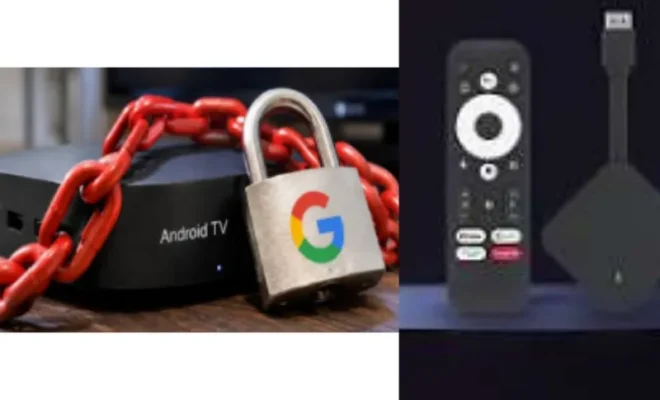
Google has severed ties with the Android smartphone manufacturer Videostrong Technology following revelations that it had allegedly incorporated a backdoor in more than 1.3 million Android devices. These devices mainly included Android TV set-top boxes that were covertly integrated into the botnet called XCPE and were used to engage in advertisement fraud, steal sensitive information, and divert internet traffic illegally.
The information was made public by Google’s Threat Intelligence Team on November 2, 2026, where it was revealed that it was certain that the company created and operated the backdoor in order to make money.
How Videostrong Compromised Android TV Boxes
The results of the investigation by Google showed that the malicious code was actually embedded directly into the firmware of a number of different device models for years. The backdoor, named XCPE or x.cpe, could be activated after the first time the device booted up and obtained system-level privileges.
Google discovered that the company Videostrong used ways to hide its malicious code while its devices were going through the certification process. This way, the compromised devices managed to pass all security tests until the backdoor was activated.
Once activated, the malware provided criminal affiliates with the access to the infected devices and the possibility to install more malicious code.
Devices Used for Ad Fraud and Data Theft
Among the activities that were conducted via the infected devices were the following:
- Advertising fraud: Criminal affiliates were engaged in generating illegitimate clicks on advertising content.
- Proxy networks: Devices were utilized in routing traffic from the Internet through users’ private connections.
- Information theft: Attackers could gather information such as accounts, system logs, and other device information.
- Other malware: Via the backdoor, other malware was able to be deployed remotely.
While Android TV boxes made up the majority of infected devices, Google also discovered other compromised devices, including telehealth devices, karaoke machines, and digital signs. The campaign involved devices in over 200 countries.
Google Takes Action Against Videostrong
In partnership with Japan’s National Police Agency and cybersecurity firms such as Lumen, HUMAN Security, Plume, Synthient, and TrendAI, Google was able to take down the XCPE botnet infrastructure.
Legal processes were carried out against the domains and servers used for controlling infected machines as well as distributing malware. In addition, Google was able to interfere with command-and-control domains for more than a dozen other families of malware.
According to Google, their efforts would be able to disrupt the operations of the criminals behind at least 10 million additional compromised devices.
What Android TV Box Owners Should Know
While the take down by Google is certainly disruptive to the botnet’s command-and-control infrastructure, it may not be enough to take out the backdoor in all infected machines.
Consumers who buy inexpensive Android TV boxes from brands that they do not recognize need to ensure they know who the manufacturer is. As Google advises, consumers should buy smart devices from reputable brands.
This case underscores the need for more rigorous testing of firmware as, even with certification, there could still be potential dangers if the manufacturer manipulates its software.
Census Updates, Space Research, Smartphone Launches & Pop Culture
Who Are Pragati and Vikas, India’s New Census 2027 Mascots?
Can Astronauts Really Grow Food on the Moon?
Explore the chickpea experiment using lunar soil, its findings, and what it could mean for growing food during future space missions.
What Makes Vivo X300 Ultra’s 400mm Zeiss Telephoto Kit Special?
Check out the camera kit’s features, expected price, specifications, and how its advanced zoom capabilities could change smartphone photography.
What Could WhatsApp’s Optional Paid Features Offer?
Find out why WhatsApp is exploring premium subscriptions, which optional features could become paid, and what users might continue accessing for free.
Could K-Pop Star Jisoo Make Her Bollywood Debut?
Explore why fans are pushing for a collaboration between Jisoo and Indian directors and what has sparked the Bollywood crossover buzz.