
CISF Overhauls Security Grid: Dedicated Sectors Created for Ports, Power, and Coal Networks
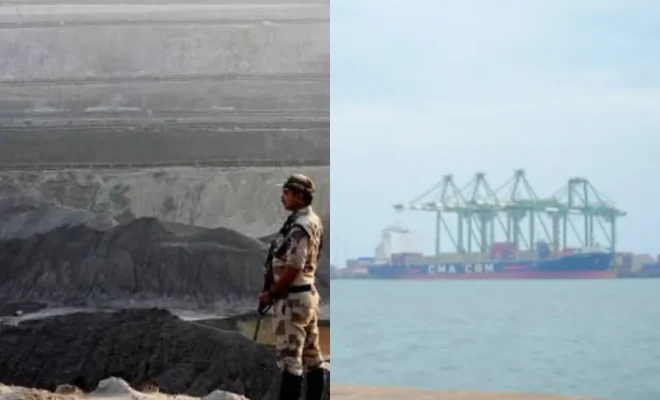
The CISF has brought about an organisational restructure that involves moving from the previous system of territorial command to a sector-based functional command in order to enhance the security of India’s critical infrastructure. The restructure is effective from November 1, 2026, with separate commands being established for sectors like power, coal, steel, petroleum and natural gas, and seaports.
The restructure, which was sanctioned by the Ministry of Home Affairs (MHA), will improve supervision, specialisation and coordination in emergency situations.
Eight Sectors Get Specialised Responsibilities
The old system had installation sectors under CISF where installations were organised on the basis of geographic areas. A particular sector was managing more than 50 installations coming from different industries, like coal mines, power plants, and ports.
In the new arrangement, installations have been categorised on the basis of industrial activities irrespective of the geographical locations of the installations.
Some of the operationalised sectors include Power-I in New Delhi, Power-II in Kolkata, Coal in Ranchi, Steel in Bhilai, and Petroleum and Natural Gas in Guwahati. Two sectors for the ports have been created, namely West Coast Port Sector in Mumbai and East Coast Port Sector in Chennai.
The GBMM & MRTS Sector will be operating from New Delhi.
This will function in conjunction with the existing sectors of Aviation and DAE & DoS.
Stronger Focus on Critical Infrastructure Security
It is believed that the new structure will assist in developing sector-wise standard operating procedures, improve access controls and better deployment of Quick Reaction Teams. The restructuring process is also intended to enhance readiness towards any emerging threats such as drone attack, cyberattack, sabotage, and interruption of industrial processes.
Having separate headquarters for different organizations will make communication easier between CISF divisions and the government agencies and other organizations responsible for running critical facilities.
What the Restructuring Means
These modifications occur against a backdrop where the duties of the CISF spread out across airports, ports, energy plants, industries, and strategic government installations.
By shifting focus from region-based management, the force hopes to develop better understanding of the risks in each sector.
The objective of this structure is to enhance accountability, remove administrative hassles, and ensure better crisis management. The success of this system will depend upon the efficiency of coordination between the specialized commands and installation authorities.
Supreme Court Updates, Political Developments, Weather & Tech Launches
What Do the Supreme Court’s New Stray Dog Rules Mean?
Discover the key takeaways from the stray dog case verdict and how the new directions could affect pet owners, feeders, and housing societies.
Which Castes Are Included in West Bengal’s 66 OBC Class List?
Explore the newly released OBC list, check the eligible caste categories, and understand its potential impact on reservation benefits.
Why Is Banda in Uttar Pradesh Recording 48°C Heat?
Find out why Banda is emerging as one of India’s hottest locations and what weather conditions are driving the extreme temperatures.
When Can Employees Withdraw EPF Money Through UPI?
Learn about the expected rollout timeline, how UPI-based EPF withdrawals could work, and what employees should know before using the facility.
What’s New in Motorola’s Moto G37 Series and Moto Buds 2?
Check out the India launch details, prices, specifications, and standout features of the Moto G37 Power, Moto G37, and Moto Buds 2.