
Help Me Find My White Bose UC Headphones?: Man Puts ChatGPT To Test, Here’s What Happened
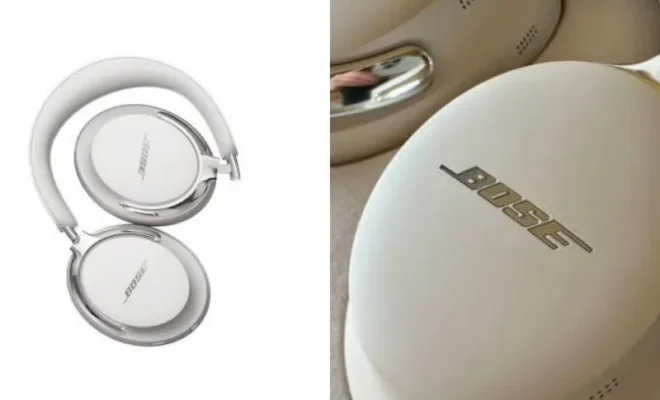
A closer look at how ChatGPT helped identify a missing white earphone among stones in just five minutes.
An earphone can vanish among stones of similar colour. One man, unable to spot his white Bose UC headphones near a park, turned to artificial intelligence for help. In a striking everyday use of the technology, ChatGPT finds lost earphones in gravel by studying photographs and guiding the search.
The incident was described in posts shared on Reddit and Instagram. The exact park, date of the loss and the man’s identity were not clear in the available account.
From a broad picture to a closer look
The man initially posted an image of the stones and tweeted to ChatGPT: “Help me find my white Bose UC headphones?” The chatbot didn’t seem to be able to definitively identify the headset after looking at the image for over a minute.
ChatGPT recommended to take multiple closer pictures with the camera straight down. It stated that the smooth white plastic would be more easily identifiable when viewed closer up against the rocks.
The man then showed some more pictures. ChatGPT pointed to the third picture, saying the lost object was “the smooth white earbud body and grey silicone piece” that was “between the stones.” The request was asking for the missing item: headphones, the response was describing an earbud-like item.
A location clue in about five minutes
The chatbot also made a rough guess about the location of the object in the photo – it was estimated to be 10-12% of the way across from the left side and 44% of the way down from the top. It was reported that the exchange from the first request to the identification was completed within approximately 5 minutes.
There is no evidence provided in the account to confirm the recovery or whether the man used the proposed position to retrieve the earphone. Treat it as one of the many examples, rather than proof that AI can be used to find tiny objects.
What this says about AI
ChatGPT accepts image inputs. Users can upload a photo, ask questions about objects in it and add more images for a closer look. Image inputs are available on Free and paid plans, subject to usage limits and account settings.
But the technology has limits. OpenAI says image models can make mistakes, misread unclear pictures and struggle with precise spatial positioning. A suggested spot is a clue, not a guarantee.
One commenter said, “Back in our day, we used our eyes.” Another raised concerns about the water used by AI data centres. The reactions captured both excitement and scepticism about using AI for everyday problems.
Use clear, close-up photos from different angles, then check any suggested spot yourself. AI can help narrow the search, but a person still needs to confirm what is actually on the ground.
Public Protests, Judicial Technology, Infrastructure, Sports & Green Mobility
Why Has Delhi Police Removed Jantar Mantar as a Permanent Protest Site?
Explore the decision to denotify Jantar Mantar, discover the three proposed alternative locations, and understand what the change could mean for public demonstrations.
Can AI Make India’s Judiciary More Efficient Without Compromising Human Justice?
Explore the growing role of artificial intelligence in courts, understand the benefits of automation, and examine the challenges of balancing technology with judicial accountability.
How Has the Mumbai-Ahmedabad Bullet Train Project Crossed a Major Milestone?
Discover how all 14 portal beams were installed over the railway line, understand the engineering significance, and explore what this progress means for the high-speed rail corridor.
Why Has UNICEF India Named Smriti Mandhana Its New Celebrity Advocate?
Discover the Indian batter’s new association with UNICEF, explore her role in promoting children’s rights, and understand the significance of the appointment.
How Will India’s New EV Charging Corridors Transform Green Transport?
Explore the proposed electric vehicle charging infrastructure, understand how charging corridors could improve long-distance connectivity, and discover their role in cleaner mobility.