UNICEF India Names Star Batter Smriti Mandhana as Celebrity Advocate Following Team Leadership Shift
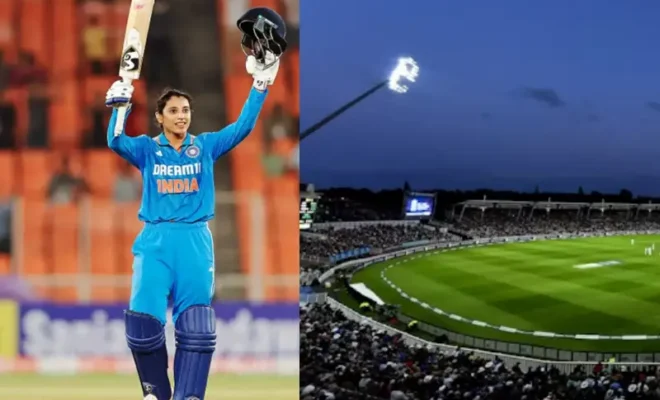
India UNICEF has chosen the famous Indian cricketer Smriti Mandhana as the new Celebrity Advocate of the organization, making the world-famous batter a part of the advocacy campaign concerning children’s rights, gender equality, and opportunities for teenage girls. This information was revealed on October 11, 2026, on the occasion of the International Day of the Girl Child.
This decision by UNICEF is made just a few days after Smriti Mandhana became the captain of the Indian women’s cricket team in place of Harmanpreet Kaur.
Smriti Mandhana to Champion Girls’ Rights and Opportunities
In this new position, Mandhana will contribute towards UNICEF’s India programme to promote the health, well-being and empowerment of adolescent girls. She will be working to ensure equal opportunities for all girls to learn, play sport, hone their leadership skills and become all that they can be.
Commenting on the appointment, Mandhana said that she had learned from her own experience in the world of cricket that it is important to have opportunities, work hard and get encouragement. Every child and young person has the right to aspire and achieve their potential.
This collaboration will not only help UNICEF convey its message to more people but also those young people who look up to athletes who have achieved success as role models.
Previously, Mandhana has collaborated with campaigns initiated by UNICEF and ICC in the areas of gender equality and life skills. She has been associated with the UNICEF campaign ‘Promise to Children’.
From Cricketing Success to Social Advocacy
She is one of the prominent female players in Indian cricket and has been honored with the Arjuna award due to her contribution to sports. Mandhana played with the Indian squad that won their first ICC Women’s Cricket World Cup championship in 2025. In addition, she created history by becoming the first woman who scored over 1,000 runs in One Day Internationals in a year.
Being appointed as India’s captain for the women’s cricket team will make her even more prominent in the world of Indian sport. The appointment of Mandhana as the UNICEF’s ambassador is another step toward the possibility of sports personalities to be involved in discussions on education, health care, safety and equal rights.
The South Asia Regional Ambassador for UNICEF Sachin Tendulkar said he was glad with Mandhana’s appointment and sure that she could speak out for children’s rights.
Why the Appointment Matters
There are many adolescents in India but several girls have to go through challenges that include lack of access to education, health care, safety, and sports. UNICEF works with the government, community and the youth to expand the opportunities for girls and ensure that they can make choices about their future.
The association of Mandhana with the organization could help bring more attention to the cause and convince the families and community to encourage the girls to follow their dreams. She has been an example in the way she has been successful through access to opportunities and continuous motivation.
Through the new association, Mandhana would be able to contribute through her influence in the sport to promote the rights of children and empowerment of girls.
Smart Tech Checks, Credit Hacks & Global Business Moves
Could a Two-Minute CEIR Check Save You From a Stolen Phone?
Find out how to check a used iPhone or OnePlus before buying it.
Can You Take Your CIBIL Score From 650 to 750+?
Explore a six-month action plan to improve your credit score and strengthen your loan eligibility.
Why Is BHEL Expanding Into Mauritius’ Electricity Sector?
Discover what BHEL’s move into Mauritius’ power business could mean for its international ambitions.
Is the OnePlus Watch Worth Checking Out?
Check out the smartwatch’s price, specifications and key features before making a buying decision.
Can AI Make India’s Judiciary Faster Without Losing Human Judgment?
Dive into the debate over AI-powered efficiency and the role of human decision-making in Indian courts.