
Why Did a Gurugram Company Fire Its Employee Over a Viral ₹370 Biryani Stand-Up Video? The Pranit More and Himanshu Jangra Controversy Explained
Last updated on July 10th, 2026 at 11:24 am
It seems like a stand-up comedy crowd-work routine that lasted only a couple of minutes is now one of the biggest online controversies in India this week.
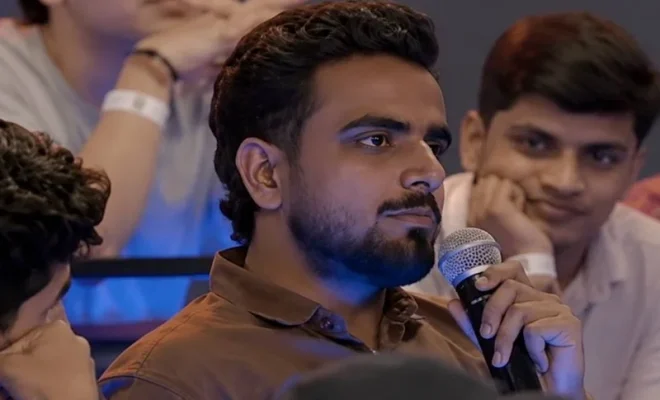
The controversy is about comedian Pranit More and a web developer from Gurugram, Himanshu Jangra, whose statements at the stand-up comedy event have gone viral on various social media sites. From what started off as a joke on a ₹370 plate of biryani, the whole issue now touches upon such topics as misogyny, dating, responsibility, cancel culture, and viral fame.
What Happened During Pranit More’s Show?
This occurred during one of the crowd works carried out by Pranit More, which involve comics interacting directly with people present.
In his narration, Himanshu Jangra described a day he used ₹370 worth of money to pay for chicken biryani for a lady. As per the video, Jangra followed up saying that following the expense incurred during the date, he expected to recover the cost whenever she would ask him to drop her off home. It was perceived by most of the people watching the video that paying for a date gives you an advantage to be rewarded with something else in the end.
People watched the video and laughed; even Pranit More laughed and referred to the event as “peak Gurgaon content.”
Why Did the Video Spark Such Strong Reactions?
This was not the real issue behind the outrage against the comment. It can be seen that many social media users were of the view that it shows the attitude of a person who believes that paying for anything gives him/her some form of right over the person. In fact, the statement has been termed as misogynist by the critics of the comment.
Women who use social media to voice their views reacted by stating that the price tag of food doesn’t put any sort of pressure on the person to do anything and such statements help perpetuate negative social attitudes.
Why Was Himanshu Jangra Fired?
However, as the discussion heated up, internet sleuths uncovered the identity of Himanshu Jangra, along with the company where he worked, Starvik Design from Gurugram.
It was soon announced that his employment had been terminated. As reported, while there were no workplace-related complaints lodged by anyone against Jangra, the company felt that the kind of public commentaries being posted did not conform to its corporate values.
This sparked yet another heated discussion. While some people agreed with the action taken by the company because one’s statements represent personal values and influence corporate image, others saw it as the company exercising excessive power to fire an employee over public remarks made outside the corporate environment.
What Did Himanshu Jangra Say After the Backlash?
After the backlash occurred, it is said that Himanshu Jangra publicly apologized for his behavior and subsequently shut down or left the social networking sites due to the increasing amount of backlash. It appeared as though he realized the backlash he was receiving and tried to avoid the issue.
The apology, however, did little to end the debate as the discussions moved on past the particular video.
Why Is Pranit More Also Facing Criticism?
Although the original backlash was directed at Jangra’s remark, many viewers also questioned Pranit More’s reaction during the show.
Critics argued that by laughing and labeling it “Peak Gurgaon content,” the comedian appeared to endorse or normalize the statement rather than challenge it. As criticism mounted, More publicly apologized and admitted that he should have addressed the comment differently instead of laughing along. He also reportedly removed the clip from his platforms.
More stated that not calling out the remark was a lapse in judgment and acknowledged the concerns raised by viewers.
Why Has This Become a Bigger Social Debate?
What is unique about the Himanshu Jangra case is its location at the crossroads of multiple modern debates regarding the internet.
One group perceives this case as a demonstration of personal responsibility, since the words spoken in the public space carry responsibility and should not be treated lightly.
Another view on this case is that of a cautionary tale of what may happen when a video becomes viral, resulting in the victim’s dismissal, ruined reputation, and loss of privacy after just a few days.
Thus, a relatively harmless comedy scene turned into an open debate on freedom of speech, professional ethics, and responsibility for one’s words.
The Bigger Lesson From the ₹370 Biryani Row
Probably the most remarkable thing about this story is just how fast a seemingly normal crowd work routine turned into a national discussion.
Just a few days later, what started off as a comedy show routine ended up turning into a scandal that caused outrage, media attention, an apology from the comedian involved, the firing of a worker, and a discussion about gender-related perceptions and social media.
This particular incident demonstrates the impact that social media can have on ordinary situations and the far-reaching ramifications that a video posted online can cause.
Explore More Trending Stories
Why Was Lahore 1947 Renamed?
Explore the reason behind the title change, first-look motion poster, and the film’s August 14 release plans.
Why Is Siraj Missing T20Is?
Discover why Mohammed Siraj is absent, India’s updated squad, and Shreyas Iyer’s new leadership role.
How Much Salary Could Increase?
Check the expected pay revision, fitment factor, and key benefits under the proposed 8th Pay Commission.
Is Your Canara Account Affected?
Learn how the RBI penalty relates to KYC and inoperative account issues, and what it means for customers.
What H-1B Fee Ruling Means?
Find out how the US court’s decision could impact Indian IT professionals, visa applicants, and job seekers
Conclusion
The ₹370 biryani controversy is no longer just about a stand-up comedy clip. It has become a case study in how viral content, workplace accountability, dating culture, and online outrage intersect in the digital age.
Whether viewed as justified accountability or excessive punishment, the incident has sparked a conversation that extends well beyond one joke and one employee.