Unregulated Genetically Engineered Seeds and Shrinking Crop Diversity: Why India Needs a Cautious Overhaul
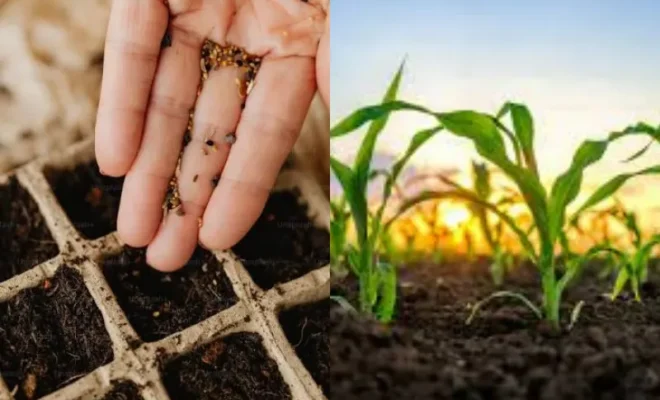
In order for India’s agriculture to have a future, it requires not only better crop yields. It also requires preserving biodiversity, respecting the rights of farmers to make their own choices and implementing new agricultural technologies properly. Due to the problems of climate change, the emergence of pests resistant to current pesticides, and higher prices on crops, genetically modified seeds have also entered the discussion regarding food security and sustainable agriculture in India.
The point is not that every genetically modified seed poses a threat. On the contrary, India needs more scientific investigation, proper regulation and more diversity in agriculture.
Why Seed Regulation Matters
Seed determines the performance of a crop in terms of pest resistance and ability to withstand certain environmental pressures. The adoption of a new variety of seed by the farmers affects the livelihoods and soil management techniques of the farmers and their future choice of crop variety.
The development of genetically engineered crops involves changing some of the genes using biotechnological methods. The benefits offered include resistance to certain types of insects and tolerance to some types of herbicides. However, the performance and impacts of the crop depend on the crop in question and the introduced trait.
The challenges of genetically modified crops involve their introduction into the markets without proper regulation, labelling and information about the traits of the crop. Some of the seeds may prove not to be suitable for use in certain environments, hence becoming a burden to the farmer.
India already has some regulatory framework for the genetically modified organisms which include the Environment (Protection) Act, 1986 and the Rules for the Manufacture, Use, Import, Export and Storage of Hazardous Micro-organisms, Genetically Engineered Organisms or Cells, 1989. The challenge lies in enforcement and the support of these regulations by independent scientific evidence.
The Hidden Cost of Shrinking Crop Diversity
Indian agriculture has its own wealth of varieties of rice, wheat, millets, pulses and many other crops. In most cases, these varieties have developed after generations of selective breeding by farmers and have certain characteristics which suit specific soils, climate and modes of cultivation.
But the growing popularity of identical commercial varieties and changing food requirements and economic conditions in agriculture may lead to less sowing of traditional varieties. And this will be harmful as the agricultural systems relying on limited varieties may become more susceptible to new pest attacks, diseases and changing climatic conditions.
The genetic diversity is an important asset as far as creation of drought-resistant, heat-resistant, flood-resistant and disease-resistant crops is concerned. The loss of traditional varieties will mean a loss of genetic diversity, which may be used in the future in breeding new varieties of plants.
The problem is not limited to genetically modified seeds alone. Traditional seeds, conventional hybrid seeds and changing economic conditions in farming may also become a reason for reducing crop diversity. So, the preservation of India’s agricultural heritage needs a broader strategy than restriction of one kind of seed technology only.
Why Farmers Need Transparent Choices
Farmers should receive clear information about seed performance, input requirements, potential risks and expected returns before adopting a new variety. Marketing claims must not replace independent field trials or evidence from conditions similar to those on farmers’ land.
The economics of seed adoption also deserve attention. Some commercial seeds require farmers to purchase new supplies each season, while others may be saved and replanted, depending on their biological characteristics and applicable agreements. Farmers need transparent pricing and realistic information about these differences.
Public agricultural research institutions, state agricultural universities and extension services should play a stronger role in providing locally relevant advice. Independent testing, accessible complaint mechanisms and effective action against counterfeit or unauthorised seeds would further protect cultivators.
Regulation must also distinguish between different technologies and traits. A blanket assumption that all genetically engineered crops carry identical risks would overlook scientific differences. Equally, claims that biotechnology automatically guarantees higher yields or greater sustainability deserve careful examination.
Strengthening India’s Agricultural Safeguards
A regulatory framework in India must judge the potential of the new seed varieties on the basis of scientific evidence, the environment and agricultural suitability. The risk assessment will include the possibilities of gene flow to other related species, impacts on other non-target species, resistance development of pests and alteration of herbicide use where needed.
Monitoring post-release is equally crucial. The process should not be concluded after approval, especially for a crop that is cultivated in various ecological regions. Emerging resistances, changes in agricultural practices and environmental impacts should be monitored by scientists.
In addition, seed banks, community seed systems and preservation of the indigenous crop varieties should be prioritized in India. The farmers should have access to the different seeds, including the locally adapted varieties, instead of being forced to choose the limited commercial varieties.
The public research can contribute in the development of the climate resilient crops using conventional breeding and marker-assisted selection methods among others.
Conclusion: Innovation Must Protect Agricultural Resilience
India’s seed policy must balance technological progress with environmental protection, farmer welfare and long-term food security. Genetically engineered seeds should neither be accepted without scrutiny nor rejected without examining the evidence.
The priority should be stronger oversight, transparent testing, fair market practices and meaningful farmer participation in agricultural decisions. Protecting crop diversity is equally essential because genetic resources provide insurance against uncertain climatic and biological threats.
India cannot afford to measure agricultural progress only through short-term productivity gains. A resilient farming system must also preserve biodiversity, protect farmers from misleading claims and maintain a broad range of seed choices.
A cautious overhaul of seed governance would not mean turning away from innovation. It would mean ensuring that every agricultural technology serves the wider public interest while safeguarding the natural resources on which future generations depend.
The Stories Everyone Will Be Talking About
Will Railway Counter Tickets Now Include Passenger Insurance?
Discover what the Supreme Court’s October 27 directive could mean for railway passengers.
Can Urgent Funding Save Women’s Livelihood Programmes?
Explore why states are seeking immediate central support for the Women’s Livelihood Mission and NULM 2.0.
What Went Wrong for Sindhu and Lakshya at Denmark Open?
Find out how PV Sindhu and Lakshya Sen exited the 2026 Super 750 tournament in the first round.
Which Multiplayer Games Could Own 2026?
Dive into five highly anticipated multiplayer games and their expected features, gameplay and innovations.
Who Rules the World’s Oil Production Race?
Explore the top 10 oil-producing countries, their output, reserves and influence on global energy markets.