7 Protests, One Nation: Why Different Groups Across India Are Taking to the Streets at the Same Time
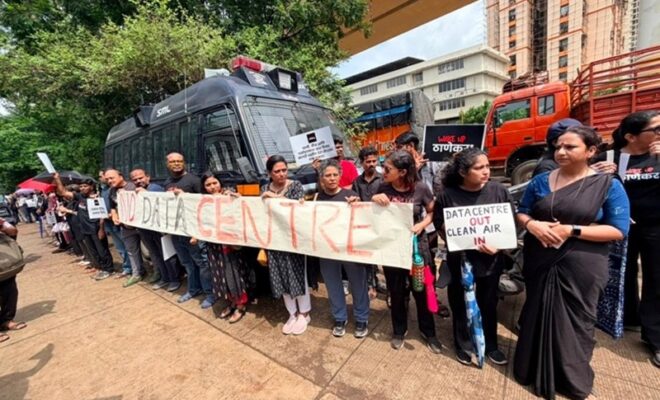
There are now multiple protests in India, all of which stem from completely different reasons and are happening at the same time. The students are protesting due to exam-related scandals, the farmers have been protesting about the need for reforms in agriculture, the environmentalists are protesting about the destruction of nature, and the regional protesters are complaining about the constitutionality and governance issues.
One of the most popular posts going viral on social media in India was related to the seven ongoing nationwide protests. While the list of the protests being discussed includes both actual protests and old campaigns, not all of the statements made in these posts are true in terms of the ongoing protests.
However, all the protests mentioned above actually show one bigger picture – people of different backgrounds from India have their own complaints regarding governance, livelihoods, education, environmental protection, and regional identity.
The Student Movement Has Become the Most Visible National Protest
The biggest protest movement that has taken place is focused on students and the youth looking for jobs. Protests initiated by the frustrations and anger over issues like competitive examinations, leakage of question papers, recruitment and unemployment have been led by students as well as other youth groups.
Recent protests in Jantar Mantar, Delhi, and “Chalo Sansad” march have come into limelight because of the arrests made by the police against protesters and hunger strike conducted by Sonam Wangchuk, an education reform activist.
Although the protest movement has grown larger than before, there are certain stories being circulated on social media regarding the size and organization of the movement, which cannot be confirmed independently. Nevertheless, the protests have been covered widely by many news agencies.
Farmers Continue Their Long Campaign Beyond the Headlines
Farmer agitations have never completely died out since the abolition of the three farm laws in 2021.
There are still several farmers’ groups pressing the government of the Union on matters like ensuring MSP through law, debt forgiveness, procurement and crop insurance policy changes, among others.
While the massive mobilizations seen between 2020 and 2021 have become history, the ongoing agitations, although regional and issue-oriented, see occasional marches and negotiations with the Centre by farmer unions.
The agitation is alive and well, only that it has now moved into another phase of policy deliberations.
Environmental Campaigns Continue Across Multiple States
Environmental movements seldom make headline news in the country, but they persist all over India.
Campaigns against forest, mining, coastal area, hydropower projects, and heavy industrialization have not ceased on the part of people who are threatened by environmental degradation or resettlement.
In the Himalayan areas, environmentalists are still campaigning over the issues of fragile ecosystem, infrastructural developments, and climate change. In recent times, environmental conservation is increasingly becoming associated with sustainable development and not necessarily against infrastructure projects.
The movements themselves are decentralized and very different in different states.
Regional Identity Movements Remain Active
Some regional movements have gone on making their constitutional, cultural, and administrative demands.
In Ladakh, activists have kept on pursuing more constitutional guarantees, local representation, and environmental protection. The movement kept coming into national limelight through peaceful demonstrations, hunger strike, and appeals.
Other regional groups in various states are continuing to make their demands for more autonomy, changes in reservations, protection of languages, or administration reorganization. These are long-standing issues and not new protests.
Workers and Government Employees Continue Sector-Specific Agitations
In different states, government servants, contract workers, teachers, health workers, and transport workers have been agitating on matters relating to recruitment, regularization, pensions, salaries, and work conditions.
These struggles do not occur like those that are national or political but tend to be sector specific and within different states or departments.
Nonetheless, they are indications of concern over job insecurity in the public and semipublic sector.
Tribal and Land Rights Campaigns Continue Quietly
Another type of movement that is rarely mentioned is those of tribes in protest against land acquisition, mining, forest rights, and displacement.
These movements usually get scant coverage in the national media but have been quite vocal in some parts of central and eastern India.
Their demands normally center around implementation of laws already in existence.
Citizenship and Civil Liberties Issues Continue to Resurface
Some of the controversies which were the focus of national politics in past years including those involving citizenship, civil liberties, and constitutional rights have persisted through legal processes, community discussions, scholarly forums, and smaller protests.
They need not necessarily be referred to as ongoing nationwide street protests at the present time. They are political and legal controversies which periodically arise in the public spotlight depending on the events in the judicial arena or in government policy-making.
The distinction between street mobilization and ongoing public campaigns is significant at this point.
Why Are These Movements Happening Simultaneously?
Though such protests are unconnected organizationally, there are common structural elements among them.
The protesters are expressing growing demands for transparency and accountability from various parts of society.
There are rising demands for job security, better public services, and participatory governance.
Students want justice in examinations and recruitment policies. Farmers want economic security. Environmentalists demand balanced development and preservation of the environment. Regional organizations want more political representation and constitutional safeguards.
Each group is addressing a unique issue, but collectively, such protests represent the emerging trend in Indian democracy toward issue-based protests.
Stay Updated on Global Developments
Why Did India Issue Iran Advisory?
Find out why Indian citizens have been urged to leave Iran immediately.
Why Must Indians Stay Indoors?
Learn why the MEA advised Indians in Iran to remain indoors.
Is UAE Safety Affected By Tensions?
Check out how regional tensions could impact Indians living in the UAE.
How Did The Oman Attack Unfold?
Uncover the confirmed details surrounding the Indian sailor’s tragic death.
What Happened To Frozen Assets?
Explore the latest updates on the release of frozen Iranian assets.
Social Media Has Amplified the Perception of a Nationwide Protest Wave
“7 Protests, One Nation” have been instrumental in linking disparate movements into a coherent narrative on the internet.
Nevertheless, one must be wary of such lists.
While some of the movements mentioned in viral lists are current and ongoing, others might be referencing past or periodic movements, or even local protests that are not active nationwide protests.
It is still crucial to base your findings on verified media reports and sources.
The Bigger Picture
Today, there is not only one protest movement in India but rather several protests at once.
This is determined by the very nature of democracy in India and the variety of problems facing its citizens.
The future impact of these protest movements on policy-making depends upon negotiations, reactions of the politicians, judicial decisions, and continuous activity of the public.
At the moment, they all together point out to one thing – people continue to participate in the democratic discussion, even though their motivations for joining the protests are radically different from each other.