
Allahabad High Court Burka Protest Case: FIR Not Quashed, Court Cites School Discipline
Last updated on July 10th, 2026 at 11:06 am
The Allahabad High Court burka protest case has gained public interest because the court decided to maintain the first information report against students who protested dress code regulations.
The court observed that educational institutions have the authority to enforce discipline, including regulations related to uniforms. The decision demonstrates how schools struggle to balance student freedom of expression with their existing institutional regulations.
What the Case Is About
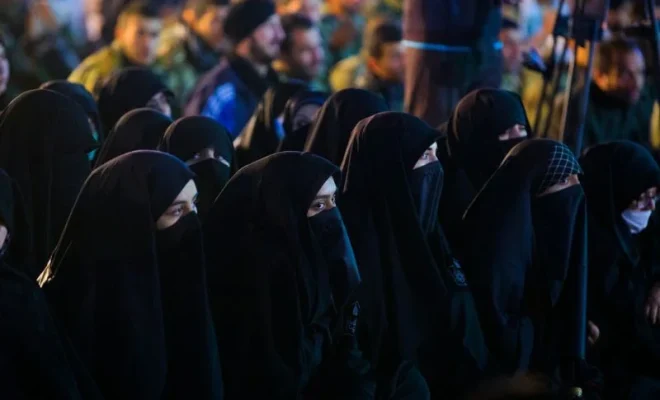
The Allahabad High Court burka protest case emerges from an incident where students protested against restrictions related to wearing burkas within a school setting. Following the protest, an FIR was registered, which led to a legal petition seeking its cancellation.
The petitioners argued that the FIR was unnecessary and that the matter should not have been escalated to legal action. However, the case raised broader questions about how schools handle protests and enforce discipline.
Court’s Observations
The Allahabad High Court refused to terminate the FIR because they could not find any valid reason to do so. The Allahabad High Court established that schools possess the right to enforce discipline through their uniformity requirements in the burka protest case.
The educational institutions need these regulations because they function as essential administrative components that enable their operations to proceed smoothly. The court permitted the legal proceedings to continue without reaching a final decision about the validity of the accusations.
Discipline vs Individual Expression
The Allahabad High Court burka protest case brings into focus a recurring issue in education systems. The balance between personal expression and institutional discipline is crucial.
Schools establish dress codes because they want to make all students look the same while decreasing visible differences between students. The rules create conflicts because they interfere with both personal rights and religious practices.
The courts in similar cases have established that institutions need to implement reasonable restrictions for their operations, which require both discipline and order maintenance.
Top Headlines You Must Explore
Which Pune Areas Fit Your Budget?
Discover the best places to live and work.
Why Is Atlassian Cutting Jobs Now?
Check the real reason behind AI-driven layoffs.
Is India’s Education System Outdated Today?
Explore why skills matter more than degrees now.
How Do Employees Handle Sudden Layoffs?
Discover the psychology behind job loss and recovery.
Want Easy Work From Home Jobs?
Explore beginner-friendly remote jobs you can start.
Legal Perspective on FIR Quashing
In the Allahabad High Court burka protest case, the refusal to quash the FIR does not imply guilt. Instead, it means that the court has found no immediate grounds to dismiss the complaint at an early stage.
Courts typically quash FIRs only when there is a clear absence of a legal basis or when the complaint appears frivolous. In this instance, the court has allowed the investigation and legal proceedings to continue.
Conclusion
The Allahabad High Court burka protest case demonstrates that courts need to follow due process requirements while schools maintain their right to manage student behavior.
The situation shows how institutional regulations interact with personal decisions, which will lead to ongoing legal developments in this matter.