Major Anti-Poaching Drive: DRI Seizes 17 Kg Elephant Tusks and Ivory Carvings in Hyderabad Trap
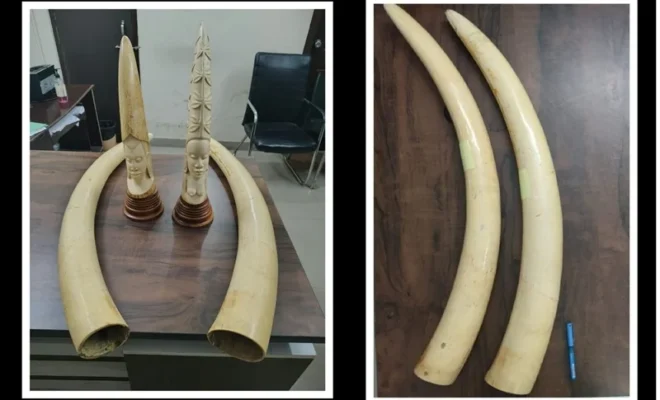
The largest operation ever undertaken to stop wildlife trafficking has been uncovered in Hyderabad with the Directorate of Revenue Intelligence (DRI) confiscating four elephant tusks with a total weight of 17 kg and ivory carvings in the process of an alleged illegal sale deal.
Three persons have been arrested as part of the operation conducted after the DRI received intelligence regarding the alleged ivory trading. The operation has become an important move to combat the illegal wildlife trade when it was being conducted.
The confiscated items have been detained as per the provisions of the Wild Life (Protection) Act, 1972 that bans trading of ivory of elephants and items manufactured out of it.
What Happened in the Hyderabad Ivory Seizure?
As per the information from DRI, their Hyderabad unit had acted upon the specific intelligence in relation to the attempted sale of elephant tusks and ivory. A trap was set up and three persons were caught during the sale transaction.
In the process of the arrest, four elephant tusks weighing around 17 kilograms were seized. Ivory carvings, which have been mentioned as trophies, were also recovered.
The interception and the arrest took place in Hyderabad city; however, the Times of India reports say that the incident took place at Jubilee Hills while some other local sources have mentioned the Banjara Hills region.
The identity of the three people involved in the transaction has not been revealed yet.
Why the 17 Kg Ivory Seizure Is Significant
This seizure is important due to the fact that elephant ivory is protected by India’s wildlife laws. It also demonstrates that poaching is a serious threat not only to the wildlife but to the trade of such products as tusks.
The DRI has been carrying out intelligence-driven activities in regard to the wildlife trafficking, which includes trafficking of wildlife trophies and wildlife product. This particular operation is a part of their general anti-trafficking campaign.
In addition, this last seizure shows how illegal wildlife products are transported to urban markets for sale as collectibles or trophies.
What Does Indian Law Say About Elephant Ivory?
According to the Wild Life (Protection) Act, 1972, elephants have been afforded legal protection along with restrictions on any activities concerning elephant ivory. According to the DRI, the seized tusks and ivory items had been impounded under the applicable clauses of this Act.
The legislation is meant not only to ensure the safety of living wildlife but also to prevent commercial exploitation of products made out of protected animals.
That makes the above-mentioned case especially alarming since it is possible to investigate not only those who had been apprehended while selling ivory, but also the source of those tusks and the ways they had got to Hyderabad.
What Happens to the Three Apprehended Persons Now?
The DRI operations are just the starting point of the inquiry.
As per the news reports, the arrested persons and the confiscated goods will be transferred to the Forest Department for further investigation. The authorities will have to find out the source of the ivory tusks and whether the whole deal was part of some other bigger illegal wildlife trade syndicate.
The sources of the ivory, the person who wanted to purchase it, and any other similar deals in the past can also come under scrutiny. It needs to be kept in mind that the accusations against the arrested people are still under investigation.
Why Ivory Trafficking Remains a Major Wildlife Concern
The tusks of elephants have been in great demand in illegal markets due to the usage of ivory in crafting various luxurious items.
This can provide financial gain to the individuals involved in the process of poaching and smuggling. Once an elephant has been poached for its tusks, the tusks go through several intermediaries before ending up in the possession of the consumer.
It becomes important for the enforcement efforts to not only seize these illicit wildlife products but also understand the networks behind their smuggling and selling. The DRI has been carrying out such efforts to curb the problem of elephant tusk smuggling. In an enforcement effort carried out in 2024 in Bengaluru, DRI
Why DRI Is Involved in Wildlife Crime
DRI has always been known for cracking down on smuggling and custom crimes, but due to the amendments made in the Wildlife Protection Act, DRI has acquired more power to fight against particular types of illegal wildlife trade in the country.
Earlier, DRI had made use of intelligence based missions to catch the wildlife products and probe into the trafficking networks.
Thus, the Hyderabad case shows how intelligence and enforcement agencies are being employed to fight against wildlife crimes before the illegal goods reach their destination.
What Investigators Still Need to Establish
The capture reveals that four tusks belonging to an elephant, weighing roughly 17 kgs and carved ivory objects have been seized, along with three individuals being caught during this supposed transaction. Yet, there still lie many significant queries that require answering.
It is essential to find out the origin of the ivory, the buyer behind it, the way it entered Hyderabad, and the connection of the suspects to the ivory trafficking industry.
These will be unveiled as the Forest Department moves on with the investigation.
Conclusion
The Hyderabad operation has put into limelight the effort of India to stop the trafficking of wildlife illegally. The DRI has managed to confiscate four elephant tusks that weigh roughly 17 kilograms together with ivory carvings as they were trying to intercept an alleged sale deal, and three individuals were taken into custody.
Now, the next stage in this matter will be the investigation of the origin of the ivory and the trafficking ring associated with it.
In order for the wildlife authorities to reach their goal, they must disrupt the supply chain, which turns protected wildlife goods into illegal commodities.
The seizure of 17 kilograms of elephant tusks in Hyderabad is being investigated as an alleged ivory transaction. Now with the arrest of three individuals and the transfer of the seized materials for further examination, the authorities will look into the origin of the tusks and whether there was a broader trafficking ring behind it.
Wildlife in Focus: Conservation, Elephants & India’s Natural Heritage
How Is India Protecting Its Rhinos?
Explore India’s conservation efforts supporting the greater one-horned rhino.
Can New Corridors Protect Odisha’s Elephants?
Find out how new measures aim to safeguard elephant corridors.
What Happened During Malappuram’s Festival?
See what happened when an elephant caused chaos at the festival.
Why Did This Elephant Reunion Go Viral?
Discover the heartwarming reunion between a baby elephant and its mother.
How Is Chhattisgarh Engaging Young Conservationists?
Uncover how wildlife awareness programs are connecting youth with nature.