
Chhattisgarh Launches Wildlife Awareness Initiative to Engage Youth in Nature Conservation
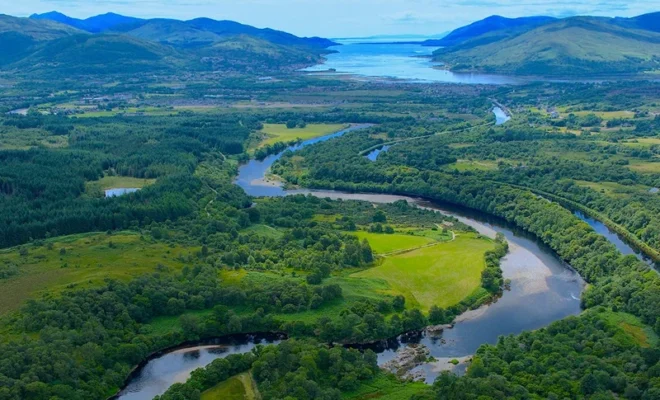
With a view to enhancing the state’s efforts toward wildlife conservation, Chhattisgarh has introduced a wildlife awareness program to involve young citizens with nature. The program is designed with an intention to make environmental conservation more interesting to students and other youth, while emphasizing the significance of forests, wildlife, and biodiversity.
This program is being launched amid growing recognition of wildlife conservation as not just the concern of the forest department and environmental organizations but of the entire community including young citizens.
Through such an endeavor of making youth aware of wildlife and ecological conservation at an early stage, it will be possible to generate awareness among young citizens regarding the natural wealth of Chhattisgarh.
Why Chhattisgarh Is Focusing on Wildlife Awareness
Chhattisgarh is renowned for its lush forest scenery and the biodiversity it possesses. Forests in Chhattisgarh provide habitat to various kinds of wildlife and contribute significantly in maintaining ecological balance.
Nevertheless, in addition to legislative measures and their implementation, conservation of these ecosystems demands raising awareness about these issues. In particular, raising awareness among young people becomes extremely important because young people of today will be the decision-makers, specialists, and leaders of tomorrow.
This explains why the wildlife conservation campaign in Chhattisgarh focuses on youth engagement in the process of raising awareness. It is aimed at helping young people realize that forests do not consist only of trees but are much more complex ecosystems.
How the Initiative Can Connect Young People With Nature
A major objective of wildlife awareness programmes is to make conservation easier for young people to understand and participate in.
Activities focused on wildlife education can help students learn about local species, forest ecosystems, biodiversity, and the challenges faced by animals in their natural habitats. Such initiatives can also encourage curiosity about nature through educational programmes, awareness campaigns, nature-related activities, and interactions with conservation professionals.
This approach can make environmental education more practical rather than limiting it to classroom lessons.
When young people understand the wildlife and ecosystems around them, they are more likely to recognise the importance of protecting them.
Building a Conservation-Minded Generation
The importance of the initiative from the long-term perspective is the generation where conservation becomes an essential part of everyday life.
The youth can make an impact on environmental awareness in their families, schools, societies, and peer groups. Even such small steps as not polluting nature, showing respect to habitats of animals, using fewer plastics, and alerting about any illegal actions can help in conservation.
Thus, the wildlife awareness initiative in Chhattisgarh can become a connection between conservation projects and community involvement.
Instead of considering the protection of wild species as a matter which concerns only authorities, young people can become active participants of this process.
Don’t miss these trending environment and wildlife stories shaping conservation debates today.
How Is Kaziranga Handling Floods?
Check out the latest rescue operations, habitat monitoring efforts, and conservation response inside Kaziranga National Park.
Can Chilika Save Native Fish?
Find out how the Chilika Lagoon conservation drive is influencing native fish populations and aquatic biodiversity.
Why Is Poba Forest Vulnerable?
Uncover the hidden threats putting Poba Reserve Forest’s biodiversity at risk despite its protected status.
What Happened In Karnataka Plantation?
See how two leopard cubs were unexpectedly sighted in a Karnataka banana plantation and why it matters.
Why Was Woman Chained Forest?
Look into the shocking Maharashtra forest case involving an American woman reportedly chained for 45 hours.
Understanding Chhattisgarh’s Biodiversity
Understanding the wildlife is important in a state with diverse forest ecosystems. Getting to know about the wildlife and its habitat will help the younger generation appreciate biodiversity and its significance in the ecosystem.
All species have an important part to play in the ecosystem. Loss of any species will bring effects to food chains, vegetation, ecological processes, among others.
In addition, it helps the learners to connect to their environment. Instead of seeing the conservation as a global issue, they will be able to appreciate the importance of conserving the environment within their own state.
Importance of the Youth in Conservation Awareness Program
Among the various groups of people in society, youth have one of the most powerful abilities in terms of communication and campaigning.
They are capable of educating people on the need for environmental conservation through social interaction and use of technology like digital platforms for posting their ideas about wildlife.
With proper information and communication, they will be able to extend conservation awareness messages outside environmental programs.
The initiative will be successful in creating awareness to people outside school environments.
Wildlife Conservation and Responsible Tourism
Consciousness related to wildlife can also foster responsible nature tourism.
As tourists are becoming more and more interested in forests, wildlife sanctuaries, and nature, they must be conscious of how their conduct may affect the environment. Avoiding disturbances to the environment is necessary for maintaining a distance from animals, not leaving any litter behind, using designated areas and following the rules in the forest and wildlife sanctuaries.
Inculcating this knowledge in youth will lead to responsible tourists and nature lovers in the future.
Community Role in Wildlife Conservation
Wildlife conservation cannot be successful without communities. Communities that live in the vicinity of forests usually have direct links with wildlife and resources in the area.
Raising awareness can bring about better communication between communities, conservation organizations, and youth. Once conservation becomes the joint aim, instead of an imposition from outside, then conserving natural habitats becomes a sustainable process.
Engaging youth in these activities can help build a bridge in that sense.
Why the Initiative Matters for the Future
The results of wildlife conservation campaigns are evaluated by the years and decades, and not days or months. Forests and ecosystems require a prolonged period of protection, and awareness of the need for conservation requires a lot of time.
That is why programs aimed at educating children and youth may have a certain significance not just for the particular campaign.
The Chhattisgarh wildlife awareness campaign may be regarded as an attempt to make conservation education and participation a part of youth culture.
Conclusion
The approach to wildlife conservation taken by the Chhattisgarh Government includes a number of important aspects. First of all, the state realizes that conservation needs public participation beside governmental actions.
By involving young people into the interaction with nature and wildlife protection, the Chhattisgarh Wildlife Awareness Campaign can contribute to the formation of an environmental responsibility culture.
The result of such a campaign depends much upon the participation of young people, educational activities, etc.
Thus, it may be said that the Chhattisgarh Wildlife Awareness Campaign is a good start to making conservation a part of youth culture.