Air India Aircraft Incident Explained: What Happened Beyond the Turbulence?
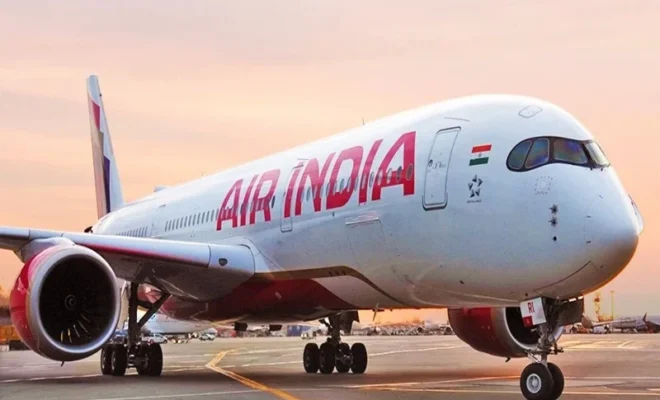
The Air India Phuket-Delhi incident on August 4, 2026, began with what seemed like another terrifying incident of severe turbulence. Air India flight AI2379 – an Airbus A320 flying from Phuket to Delhi – unexpectedly dropped about 300 feet in height during cruise over India. There were injuries among the passengers and the crew, but the aircraft managed to steady itself and land successfully at Delhi airport. But then, what happened after changed the nature of the incident from a turbulence scare into an aviation safety investigation.
The Aircraft Accident Investigation Bureau (AAIB) has categorised the event as a serious incident and is conducting investigation into the flight data, cockpit recordings, maintenance records, aircraft system and crew related issues. Investigators from Airbus and Bureau d’Enquêtes et d’Analyses de France (BEA) are also helping with the investigation.
The key thing to understand here is that the cause has not been confirmed yet. It is significant to note that there have been various speculations regarding the cause of the incident, including turbulence, hydraulic pressure loss and flight control problems. The AAIB itself has warned against drawing hasty conclusions until all the facts are reviewed.
What Actually Happened on Flight AI2379?
On August 4, there was a case of Air India flight AI2379 which had departed from Phuket to Delhi and experienced an abrupt drop in altitude of about 300 feet. The altitude loss happened while cruising, not during take-off or landing stages which are more sensitive for flights.
As a result, the aircraft continued its route to Delhi and landed successfully; however, the incident caused injuries to some passengers and crew members. According to different sources, there were 24 people who suffered from injuries.
Initially, the problem with the aircraft was described in terms of turbulence. In such way, there is a perception that the aircraft faces turbulence, suddenly descends, throws passengers into the air, and finally, the pilots manage to gain control over the plane.
However, technical details of the incident complicate this understanding significantly.
It May Have Been More Than Turbulence
This is the most important thing revealed after preliminary technical analysis suggested that there could have been a loss of hydraulic pressure in all three hydraulic systems for a short time.
According to the reports based on the preliminary analysis done by Airbus, the loss of hydraulic pressure temporarily disrupted the functionality of several flight control devices including elevators and ailerons, which were unresponsive for about four seconds.
It completely alters the perspective on the matter.
Turbulence is a weather phenomenon. Loss of hydraulic pressure that temporarily disrupted the flight control system is an issue with aircraft itself. They can happen at the same time, but they cannot be used interchangeably as explanations of the problem.
That is the reason why investigators need to find out the sequence of events, the system response, the cockpit view of the pilots and the recovery process of the aircraft.
Why the Hydraulic Systems Matter
In modern passenger planes, redundancy is considered one of the crucial features. Hydraulics are key to controlling such important flight surfaces and other plane functions.
Given that the information on three hydraulic systems turns out to be true, the case takes particular significance in the context of how the plane coped with temporary hydraulic pressure loss and the speed of restoration of the systems.
It doesn’t automatically imply that the plane was in the immediate danger of crashing. The concept of aviation safety involves redundancy, which means that failures may happen but there shouldn’t necessarily be a disaster.
What needs to be investigated in this situation is not the fact that something went wrong, but rather the cause of failure and the actions taken by the plane’s systems in response.
In response to the incident, Airbus asked for an inspection of the hydraulics, wiring, and sensors.
The Autopilot and Flight-Control Questions
Another aspect of the inquiry is the issue of the plane’s autopilot and flight-control response.
Reports based on the post-incident maintenance manual have highlighted issues relating to the plane’s hydraulic system, flight control and the autopilot system. However, these reports need to be considered as an evidence to be investigated and not an interpretation of the event.
This is very important.
The aviation accident inquiry is not just about the identification of the first warning. The inquiry team will investigate the sequence of events one step at a time. They will correlate information from the cockpit indications with data from the flight-data recorder.
This makes the cockpit voice recorder and the flight-data recorder very important in investigating what happened.
Then Came the Pilot Drug-Test Controversy
The technical investigations were further complicated by information about the tests that were conducted on the captain after the flight on psychoactive substances.
It was reported that the two pilots were subjected to mandatory psychoactive substance tests after landing. The results of the test conducted on the co-pilot raised no questions, whereas the test of the pilot-in-command needed a laboratory confirmation. After this, it was revealed that the pilot’s confirmatory test turned out positive for marijuana.
This fact certainly raised alarm among the population.
Nevertheless, one should not draw a direct connection between the test results and the aircraft’s sudden drop in altitude. A positive test is an independent investigation fact. It must be determined whether the substance influenced the pilot’s capability to fly the aircraft at the specific moment of time.
Why the Incident Matters for Air India
It is very unfortunate for Air India that the occurrence of this event falls at such a time.
Air India is already under close scrutiny following the AI171 disaster at Ahmedabad in June 2025. This, according to the government, is still under investigation.
In such circumstances, every subsequent serious accident involving an Air India aircraft garners even more publicity.
However, it must be emphasized that not all accidents are a result of one systemic failure. The Phuket-Delhi accident is totally different from the Ahmedabad 2025 incident since the plane was still salvaged and the pilots safely landed the plane; and the chain of events is still being sorted out by the investigators.
On the other hand, serious incidents are useful in providing aviation authorities a chance to pinpoint the weaknesses that may lead to a fatal accident.
More Air India updates, aviation rules, and defence stories to explore.
How Is India Boosting Maritime Surveillance?
Uncover the Navy and Coast Guard’s new indigenous C-295 surveillance aircraft plans.
What Happened During AI2379 Turbulence?
Find out what happened mid-air during the Air India turbulence incident.
How Does Air India Connect Globally?
Check out Air India’s Easy Connect service linking Amritsar to 27 global destinations.
What Are India’s 2026 Baggage Rules?
Browse luggage limits for Air India, IndiGo, and SpiceJet before your flight.
Why Did This Air India Flight Return?
Reveal why an Air India flight heading to Mumbai made a precautionary return to Delhi.
The Bigger Question Is Not “Was It Turbulence?”
However, the most significant question coming out of the whole case scenario is how strong the entire aviation safety system becomes when all these unique factors are combined together?
There can be an aircraft’s malfunction, there can be a need for immediate reaction from the pilots; there can be disconnection of the automation and even changes in its functioning; the previous maintenance record of the aircraft can contain warnings, etc.
All this is necessary for ensuring the aviation safety system.
This is why there is an investigation into the aircraft, into pilot action, maintenance record, operations and safety rules.
The involvement of Airbus and French BEA shows how seriously the technical questions are treated by the investigators.
What Passengers Need To Understand
It is obvious that for passengers this situation is frightening – to feel how your aircraft drops to 300 feet immediately.
However, the fact that the aircraft was stabilized and landed safely shows how much importance is given to redundancy, training of the pilots, automation and emergency procedures in the modern commercial aviation.
The passengers shouldn’t think that flying on Air India, or in general, has now become dangerous.
Conclusion
The Air India AI2379 case started out as a “turbulence” incident but has become much more complicated than that for an aviation safety investigation.
Early indications based on technical data show there may have been a hydraulic pressure and control problems. There are other separate issues concerning the captain’s drug tests. In either event, all of these issues are not the definitive conclusions and need to be determined by the AAIB’s investigation.
Therefore, what actually happened other than the turbulence is yet to be discovered.
It is important to know how all these pieces fit into place when looking at aircraft systems, maintenance and crew reaction, crew fitness and regulations. These issues will determine how the incident has to be resolved if the answers are clear and the findings turned into preventive measures to help prevent future incidents.
Therefore, the real importance of this incident is what investigators find out in relation to aircraft systems and maintenance, crew reaction and their fitness, among other issues. The Air India Phuket–Delhi incident should not be seen as just an “incidence of turbulence” or a pilot’s test result.