
Supreme Court to Hear Airfare Regulation Plea: What the New Bharatiya Vayuyan Adhiniyam Rules Could Mean for Flyers
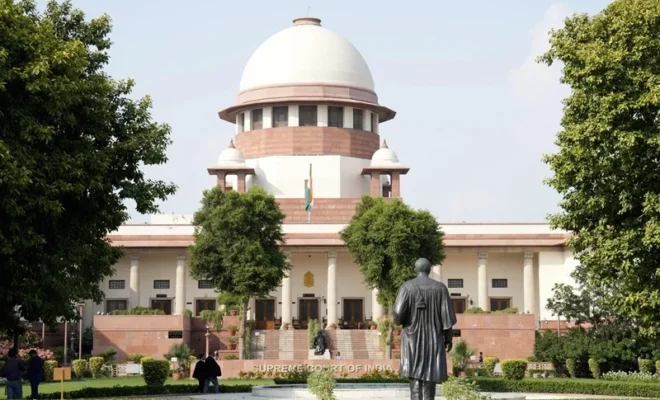
The Supreme Court will be hearing an important case on September 7, 2026, pertaining to the need for guidelines for regulating what the petitioner says are “the unpredictable swings in airfares and other charges levied by private airlines.” The importance of the case lies in the fact that it is taking place when the Centre is in the process of implementing the guidelines in accordance with the Bharatiya Vayuyan Adhiniyam, 2024, which is the civil aviation law of India.
The case can have significant ramifications for the passengers, especially when they face steep hikes in their fares around festivals, holidays, emergencies, or high-demand seasons. However, it needs to be kept in mind that the Supreme Court is not ordering any capping of airfares just yet.
Why Is the Supreme Court Hearing the Airfare Plea?
The petition has been filed by a social activist named S L Laxminarayanan and wants to have a more robust and independent regulatory mechanism for the civil aviation sector. The petition contends that the passengers face unexpected changes in air fares and ancillary charges without proper regulatory oversight.
The petition has also expressed concern about dynamic pricing, baggages fees, cancellations, and the lack of any such mechanism through which the passengers can be protected from unnecessary or excessive expenses.
This particular issue has gained the attention of the Supreme Court of India already as well. In one of its previous hearings, the court observed wide variations in the air fares of flights on the same routes even on the same day and that there was a need for rationalizing the airfares.
What Is the Bharatiya Vayuyan Adhiniyam, 2024?
The Bharatiya Vayuyan Adhiniyam, 2024 is the statute that aims at bringing about modernization of the Indian civil aviation regulations. This statute took effect in January 2025 and repealed the existing Aircraft Act statutes.
The statute forms the legal basis while rules are needed to clarify how various regulatory provisions would be implemented.
This is why the rules that are now being formulated matter very much because the way various regulatory provisions will be implemented will depend on them.
What Has the Government Told the Supreme Court?
According to the Centre, the process of formulating these new aviation rules has been expedited. The Centre has informed the Supreme Court that the rules will be formulated within three weeks and the rules have been presented in a sealed cover to the bench even as the final deliberations were on.
This came after a previous order by the Supreme Court for the Centre to present the rules before it. In July, the court ordered that the rules formulated under the Bharatiya Vayuyan Adhiniyam be presented to it in a sealed cover.
It thus means that the court is reviewing the progress made by the government while considering the plea as well.
Will the New Rules Put a Cap on Airfares?
This is definitely one of the major issues facing passengers, but at the moment there are no definite figures for any proposed blanket cap on airfares from court processes.
In the petition, the petitioner calls for guidelines on regulating the movements of unpredictable fares and ancillary fees, but the final outcome will depend on how the Supreme Court takes the plea and the provisions in the new aviation regulations.
On one hand, the government has been preparing the regulatory structure, but on the other, the petitioner doubts the adequacy of such systems to prevent high pricing of tickets.
Hence, passengers must not expect that the fare will automatically be capped or that airlines will not use demand pricing.
Why Airfares Can Rise Sharply
Ticket pricing for airlines follows the principle of dynamic pricing, whereby the cost of the ticket could be increased or decreased based on various commercial reasons.
However, this debate has emerged where the increase in fares takes place at times when there is an extremely high demand for the tickets. This case specifically addresses the problem of increase of fares during festivals and other circumstances where the alternative options for the passengers may not be available.
The Supreme Court has already shown its concern over this matter, as the Bench had earlier called such a hike of fares a “form of exploitation” and wanted the Centre and DGCA to answer.
The current hearing of the matter thus brings out the issue of airfares in general under judicial review.
What About Baggage and Other Extra Charges?
However, the petition is not confined to the cost of the basic ticket. The petition also mentions ancillary charges and reduction in baggage allowances.
According to allegations made by the petition, the private airlines have cut down the free allowance for check-in baggage in economy class from 25 kg to 15 kg, while the petitioner says that the services which were offered under the ticket earlier are being monetized gradually.
Transparency in case of ancillary charges and airline business practices is another issue raised by the petition.
This information mentioned above is based on the allegations made in the petition, and it does not constitute any finding of the Supreme Court.
What Could Change for Passengers?
Should stricter regulatory guidelines ever come about in the future, passengers will stand to gain more transparency when it comes to airline fares and policies.
The general aim would be to make sure that the passengers know what they are being charged for, and that airlines have strict regulatory guidelines within which to operate.
That being said, the exact consequences will depend on the rules and instructions from the Supreme Court at the end of the hearing. It does not automatically mean that the fares will drop as soon as the hearing is done.
Why Today’s Hearing Matters
The hearing on September 7 is of significance because the government had already informed the court that the proposed rules in the aviation sector would be expedited. It will, therefore, provide an opportunity to the Supreme Court to study the regulations along with the issues of concern raised by the petitioner regarding the volatility in airfares.
The case may eventually become a landmark one as far as balancing the interests of the airlines and consumers in India’s aviation sector is concerned.
What Should Flyers Expect?
In the case of the passengers, the first reaction ought to be one of caution rather than that of expecting an immediate fall in ticket prices.
The court might require a more definite stand by the Centre on this matter, take a look at the new regulatory framework that has come into place and even decide if any further safety measures need to be taken.
Conclusion
The upcoming Supreme Court hearing on the issue of airfare regulations is occurring amid growing passenger concerns about sudden airfares and extra costs imposed by airlines.
The Bharatiya Vayuyan Adhiniyam, 2024 is the new law governing Indian civil aviation, and the regulations that are currently being drafted will govern its operation. The government has already informed the Supreme Court that these regulations have been fast-tracked, and the Supreme Court has been following their development process.
The issue at hand is whether the new system can offer more protection to passengers without unduly interfering with the business operations of the airlines.
The Supreme Court has not imposed a cap on airfares yet. However, this hearing may prove to be the first step towards making a decision on the amount of protection that must be offered to the passengers from fluctuating fares and airline fees.
Stay informed with the latest Supreme Court developments
Why Does the 2026 BRICS Meet Matter?
Check out why this major judicial forum matters for India and global cooperation.
What Does the ‘Industry’ Ruling Change?
Find out how the ruling could reshape India’s labour laws and triple test.
Why Are Health Warning Labels Delayed?
Uncover what the FSSAI delay means for consumer awareness and food choices.
How Will RBI Tackle Mule Accounts?
Browse how the nationwide SOP could strengthen action against cyber fraud.
What Challenges Face CBSE’s Language Policy?
Explore how teacher shortages, textbooks and implementation affect the three-language policy.