
Strait of Hormuz Shipping Standoff Explained: Why Crude Oil Prices Are Rising and What It Means for Global Energy Markets
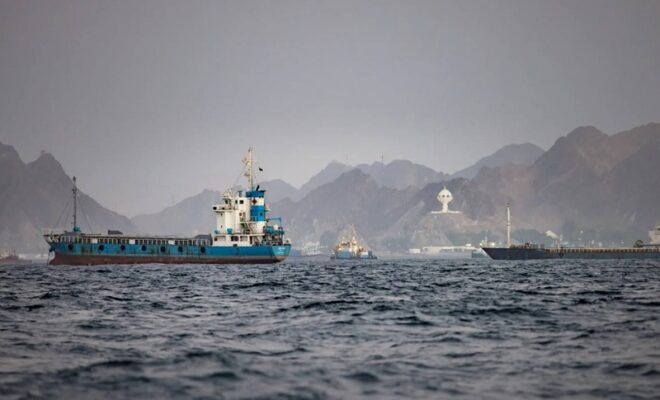
Geopolitical tensions in the Gulf area continue to grow; now more than ever, the world is watching one of the most strategically significant seaways of our time. Despite no actual interruption of trade through the seaway, worries regarding the security of the oil tankers have already affected the prices for crude oil.
Experts from the field of energy have expressed their fear that prolonged tension may influence fuel prices, inflation, costs of shipment, and overall economic development throughout the globe.
What Is the Strait of Hormuz and Why Is It So Important?
The Strait of Hormuz is a strait that links the Persian Gulf to the Gulf of Oman and the Arabian Sea. Despite its modest width of a few dozen kilometres at its most narrow point, it remains one of the busiest energy conduits in the world.
A substantial amount of the crude oil and LNG shipped in international waters each day traverses this waterway. The exporters of such vital commodities include countries like Saudi Arabia, United Arab Emirates, Kuwait, Iraq, and Qatar who use this strait to move their energy supplies.
Consequently, due to the immense significance of energy transactions conducted via this channel, any problem in the movement of ships becomes a global concern for commodity trading.
Why Are Oil Prices Rising?
Oil price changes are influenced not just by supply disruptions, but also by potential disruptions that may take place in the future.
The latest conflict in the Strait of Hormuz is causing worries about possible delays for vessels navigating through the area, increased insurance premiums, or even the danger associated with their journey.
In case traders expect supplies to be difficult or costly to move, prices usually climb because of the increased risk.
It is worth noting that production itself might stay constant, but the mere presence of uncertainty creates volatility in oil prices.
Why Shipping Companies Are Concerned
Ships working within the Gulf region keep track of any geopolitical changes that might happen since the safety of these ships has a direct impact on international logistics.
An increase in military presence, security checks, and navigation difficulties will lead to a slowdown in ship movement through the strait.
The insurance rates for oil tankers can also go up during these times of tension and make transportation charges for the exporter go up.
When transportation gets slower or more costly, the cost is likely to be passed along to the energy market internationally.
How Could This Affect India?
A lot of crude oil needs in India come from foreign sources with a significant part coming from Gulf nations.
Consequently, any issues arising out of the standoff at the Strait of Hormuz will be significant for India’s energy security.
In case crude oil prices keep going up over time, there could be higher import costs for India, and there would be an impact on the prices of fuel and hence on the inflation rate.
The transport, aviation, manufacturing, and logistics industries could also incur higher costs due to increased energy costs.
What Could It Mean for Global Energy Markets?
The direct effect of the shipping dispute is the heightened level of uncertainty in the market.
Uncertainty is not welcomed in the global energy market since it becomes hard for one to know what will happen in the future in terms of supply and prices.
In case tensions ease soon, the prices of oil might stabilize due to regained confidence among traders.
But in case the disruption is prolonged or even slows down in the strait, then markets might experience volatility in prices. Those countries depending highly on energy imports will feel the impact first.
Could Global Fuel Prices Increase?
Higher crude oil prices do not automatically translate into immediate increases at petrol stations, but they often influence fuel pricing over time.
Governments, oil companies, taxes, exchange rates, and domestic pricing policies also determine retail fuel prices.
However, if international crude prices remain elevated for several weeks, consumers in many countries could eventually see increases in petrol, diesel, aviation fuel, and transportation costs.
Why the Strait of Hormuz Matters Beyond Oil
Whereas oil takes center stage in the news, the Strait is just as significant when it comes to shipments of natural gas.
Qatar, which is one of the biggest exporters of LNG in the world, relies heavily on the Strait to deliver natural gas to international markets.
This means that any disruption will not only impact the price of oil but also that of natural gas and electricity production and industrial energy costs in several countries.
Are There Alternative Shipping Routes?
Gulf producers have built pipelines to avoid some of the strait, thereby reducing their reliance on this relatively small piece of waterway.
But these alternative routes cannot take the place of the sheer quantities of oil and gas that move through the Strait on a daily basis.
This is why the Gulf of Hormuz maritime dispute is considered one of the most crucial geopolitical events in energy markets.
What Happens Next?
Everything will depend on diplomacy and security trends in the region.
In case there is a reduction in tensions, and uninterrupted shipping goes on, the market for oil might eventually stabilize.
But should there be any disruptions or uncertainties for a long time to come, this would lead to higher oil prices and increased pressure on the world economy.
This is why all concerned are watching the trend in the region very closely.
Stay Updated on Global Developments
Is UAE Safety Affected By Tensions?
Check out how regional tensions could impact Indians living in the UAE.
Why Must Indians Stay Indoors?
Learn why the MEA advised Indians in Iran to remain indoors.
Why Did India Issue Iran Advisory?
Find out why Indian citizens have been urged to leave Iran immediately.
What Happened To Frozen Assets?
Explore the latest updates on the release of frozen Iranian assets.
How Did The Oman Attack Unfold?
Uncover the confirmed details surrounding the Indian sailor’s tragic death.
Conclusion
The incident of shipping dispute in the Strait of Hormuz demonstrates how a minor geographical location plays an immense role in the functioning of the international market system.
As this strait acts as an artery for almost all of the global crude oil trade and natural gas trade, its mere threat of any problem is enough to shake the energy markets around the world.
The Strait of Hormuz is not just an important channel of transport; it is also one of the most significant energy arteries in the entire world.