
Strait of Hormuz Attack Explained: Indian Casualties and Its Impact on Global Shipping
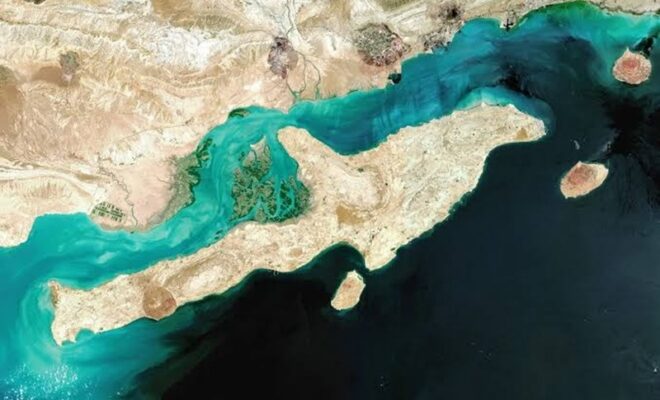
The most recent assault on the Strait of Hormuz has again put the spotlight on what is regarded as one of the world’s most important maritime passages. It is said to have been characterized by a missile attack on tanker ships, with one Indian sailor killed and many others injured. This attack has raised questions over the safety of international sea transport and the security of global energy sources.
From India’s perspective, the significance of the incident lies in the fact that thousands of Indian sailors are employed on ships that ply the Gulf region, while much of its imported crude comes through the Strait of Hormuz.
What Happened in the Strait of Hormuz?
According to the UAE officials, two oil tankers belonging to the UAE were hit by Iranian cruise missiles when they were sailing in the southern water route of the Strait of Hormuz. The attack resulted in the outbreak of fire on both ships, leading to the death of an Indian sailor while eight others were wounded.
This is yet another example of tension in the most crowded maritime passage in the world.
Why Is the Strait of Hormuz So Important?
The Strait of Hormuz is a very strategic waterway linking the Persian Gulf to the Gulf of Oman and the Arabian Sea. This passage is used as the main channel for transportation of crude oil and LNG from the producing nations in the Gulf region.
Approximately 20% of the world’s oil traffic transits through this water body on a daily basis. Disruption in this area will have a direct effect on fuel prices and insurance costs and international trade.
For nations such as India, Japan, South Korea, and China, access to this strategic strait is vital.
Why Were Indians Affected?
Indian citizens are among the largest groups of people working in the global merchant marine industry.
Hundreds of Indian sailors are employed in oil tankers, cargo ships, liquefied natural gas carriers, and commercial ships that operate in the Gulf area. This implies that when civilian ships are attacked around Hormuz, Indian sailors are usually among the individuals who get affected.
In reaction to the recent attack, the Indian government condemned any attack on civilian ships and stressed the significance of freedom of navigation at sea.
How Could This Affect Global Shipping?
Immediate consequences of such events in the Strait of Hormuz include increased operational expenses for shippers.
Shipping firms have to pay increased insurance rates when ships sail through regions where conflicts occur. It can be necessary to change the routes, postpone the departure time, or request naval escort for entry into risky regions.
This will lead to increased cargo delivery expenses, delays, and influence the world supplies of oil, LNG, foodstuff, and industrial products.
Could Fuel Prices Rise?
Energy markets pay great attention to what is happening in the Strait of Hormuz since threats to shipping affect the price of oil worldwide.
In case the attacks persist or the shipping levels decline considerably, oil prices would increase due to fears of limited supplies and increased costs of transporting the product.
In the case of India, which has been importing a significant amount of its crude oil needs, instability may eventually lead to increased import costs for fuel.
What Is India Doing?
India has always stressed on the importance of safeguarding commercial ships and civilians navigating through international waters.
There has also been continuous communication between the government and Indian shipping firms regarding the movements of the Indian vessels in the region. As per the recent reports from the government, some India-associated ships have continued to navigate safely amid close monitoring.
India has always insisted on a peaceful resolution of the tensions in the region to keep the sea routes open for trade.
Why This Incident Matters Beyond the Middle East
Though this attack was miles away from Indian waters, its impact is felt far beyond the region.
Shipping lanes have to be safe for international business. Any disruption in one of these regions has an impact on fuel prices, shipping rates, and other activities around several different continents.
The most recent incident involving the Strait of Hormuz serves as an example of this very thing.
Stay Ahead With Today’s Biggest Stories and Breakthroughs
What Happened Near Phu Quoc Island?
Check the latest updates on the tragic Vietnam boat accident that claimed the lives of Indian tourists.
Where Can You Stream Lenin?
Explore the OTT platform, cast details, storyline, and streaming information for the much-talked-about Lenin movie.
How Safe Is Gaganyaan Now?
Discover the latest Gaganyaan mission tests and how ISRO is strengthening astronaut safety for future space missions.
How Will UPI Benefit Travelers?
Explore how India’s UPI integration with New Zealand can simplify international payments and transactions.
Why Did Meta Remove AI Features?
Discover why Meta pulled its newly launched AI image tools and what led to the sudden decision.
Conclusion
The recent attack on the Strait of Hormuz goes beyond being just another security-related issue. The attack has brought into focus the vulnerability of one of the most crucial routes for the transport of energy in the world, resulted in the loss of Indian lives, and raised questions about the safety of the shipping industry in general.
Given the situation, all governments, shipping firms, and international agencies will watch out very carefully to avoid further disturbance in international commerce and energy supply.
An attack on the Strait of Hormuz affects the rest of the world not just the Middle East region.