
Public Examinations Anti-Paper Leak Bill 2026 Introduced in Lok Sabha: Key Provisions and Penalties Explained
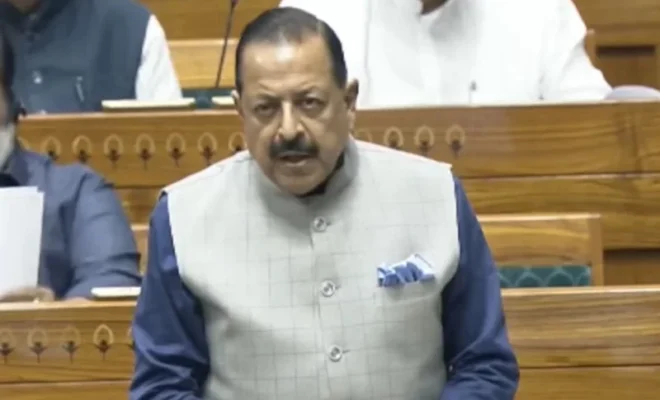
The Central Government has now proposed the Public Examinations (Prevention of Unfair Means) Amendment Bill, 2026 in the Lok Sabha to adopt strict steps to prevent the leak of examination papers and fraudulent examination practices. Through this Bill, the Government wants to amend the existing provisions contained in the 2024 Act.
This amendment has been made against the backdrop of increasing fears about the leakage of examination papers and the need for stricter laws to ensure that public examinations conducted throughout India are not tampered with.
Why Has the Government Introduced a New Bill?
However, in the light of certain recent controversies relating to examinations, the government proposes to add stringent provisions through the new Public Examinations (Prevention of Unfair Means) Act (Amendment) Act 2026.
In the context of the increasing involvement of organized crime using technology for manipulation of examination systems, the government considers increased punishments and quick investigation of cases necessary to restore trust of people in recruitment and entrance examinations and give speedy justice to the offenders.
What Are the Important Changes in the 2026 Amendment?
The major changes in the bill relate to the increased punishments in case of organized examination frauds.
As per the bill, the period of minimum imprisonment in case of organized paper leakage offenses may be extended from three years to five years, while maximum imprisonment can even reach up to ten years. Fines also have increased manifold and may be fixed up to ₹10 crore.
The government also intends to impose strict liability on examiners and organizations indulged in examination unfair means.
Fast-Track Investigation and Dedicated Courts
One of the most significant aspects of change that is sought through the Bill is the implementation of the time-bound investigation process.
It will be made mandatory for the authorities to complete the investigation of paper leak cases within two months to prevent pending cases. The fast track courts will also be set up by the government under the Bill to provide quick trials and resolve appeals.
It is believed by the government that the swift process of investigation and speedy trials will act as deterrence for such cases in the future.
AI and Digital Examination Fraud Under Scanner
The new provision is also made in the Bill due to the increasing incidence of the misuse of technology in examination frauds.
There are reports that the new law is also made wider in its coverage of examination malpractice committed through digital means including artificial intelligence-based cheating mechanisms, cyber examination fraud, and electronic fraud.
Which Examinations Will the Law Cover?
The law will be applicable to the public examinations organized by central authorities and notified bodies.
The bodies may include organizations conducting examinations such as NTA (National Testing Agency), UPSC (Union Public Service Commission), SSC (Staff Selection Commission), Railway Recruitment Boards, banking recruitment bodies, and other notified organizations conducting public examinations under the existing Act.
This is meant to make sure that legal protection is uniform for all examinations related to recruitment, admissions, and appointments made by the government.
What Difference Will It Make to Students?
The amendments mainly seek to bring about reforms against organized crime syndicates, examination mafias, and institutions responsible for leaking papers and not candidates.
It is unlikely that students taking part in exams through proper means will have extra obligations. Rather, it is claimed by the government that the new law is meant to give students a fair environment where merit counts and not criminal activities.
Why This Amendment Is Significant
Past paper leak incidents in the last few years have impacted millions of candidates appearing for recruitment and entrance examinations.
These paper leaks have led to cancellations of examinations, delays in the recruitment process, and massive protests asking for accountability.
The introduction of stiffer punishment, higher fines, speedy investigation, and setting up of special courts is expected to help the government deter organized examination fraud.
What Happens Next?
This Bill has now been tabled in the Lok Sabha and will have to pass through the process of debate in the legislature and then become law.
The Bill will now have to be passed by both Houses of the Parliament after which it will have to receive the Presidential assent. Until that point, it remains just an amendment proposal.
Keep Reading: Stories That Matter Most to You
1. NATO’s Ankara Summit: Warning Signals India Cannot Afford to Ignore
Explore how the NATO Ankara Summit could reshape India’s strategic and security priorities
2. EPFO VISHWAS 2026 Scheme Explained: One-Time Settlement for Pending PF Dues
Discover who qualifies for the EPFO VISHWAS 2026 Scheme and how pending PF dues can be settle
3. Kashmir Valley Tourism Rebounds: Gulmarg and Pahalgam Witness Record Summer Footfall
Check why Gulmarg and Pahalgam are attracting record numbers of summer visitors this year.
4. Beyond Dharmendra Pradhan’s Resignation: India’s Deeper Youth Unemployment Crisis
Explore the deeper causes behind India’s growing youth unemployment beyond the latest political developments.
5. Income Tax Return (ITR) Filing Deadline 2026: Key Changes in the New Tax Regime You Must Know
Discover the latest ITR filing deadline and important tax regime changes every taxpayer should know.
Conclusion
One such measure which is currently under discussion in Parliament is the Public Examinations Anti-Paper Leak Bill, 2026. The Bill is one of the most comprehensive efforts by the government against organized examination frauds. The Bill seeks to enhance the integrity of India’s public examination system through stricter laws against exam malpractice.
If passed into an act, the new law would greatly reduce the risks associated with paper leaks for organized crime syndicates.