PNG Drive 3.0 Launched: Government Targets 50 Lakh New Piped Natural Gas Connections Across Urban Centers
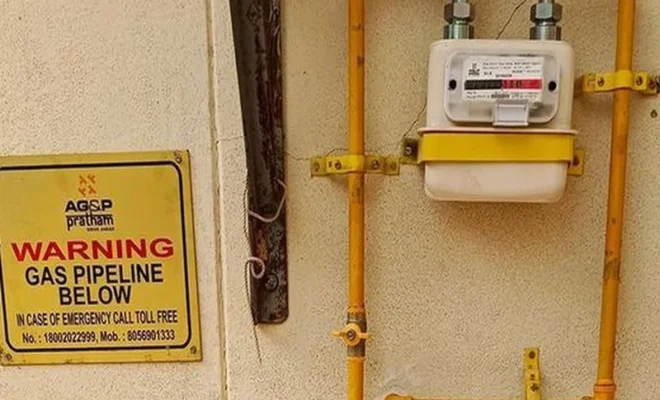
National PNG Drive 3.0 is the latest drive that has been initiated by the Centre with an objective to fast-track the use of PNG in Indian households and other establishments. The drive was launched by Union Petroleum & Natural Gas Minister Hardeep Singh Puri on October 1, 2026, on the occasion of the 20th Foundation Day of Petroleum and Natural Gas Regulatory Board(PNGRB).
The current drive will continue from October 1, 2026, till March 31, 2027, and during this period, the government will work towards increasing PNG availability in households and also try to utilize all those inactive PNG connections.
What Is PNG Drive 3.0?
PNG Drive 3.0 is the third nationwide drive aimed at expanding PNG connectivity in the CGD network of India. This drive is based on PNG Drive 2.0, which took place between January and June 2026 and led to the creation of 12.10 lakh new PNG connections as per the Ministry of Petroleum and Natural Gas.
The new drive has set much higher targets. PNGRB plans to help create 50 lakh new domestic PNG connections, 40 lakh inactive connections become active PNG users, and register 50 lakh new domestic PNG users through the drives.
Why is the Government Pushing PNG Now?
The wider goal of the government is to make natural gas a more significant component of the country’s energy basket. Natural gas comprises approximately 6% of the current energy basket of India, whereas the government has been trying to increase this percentage to 15%.
PNG can be supplied directly to those houses that are linked with a pipeline, which means that the residents do not have to store the LPG cylinders anymore. This means that the PNG can play a vital role in India’s longer transition towards a gas-based energy basket.
This initiative follows a time when LPG supply and energy security got more focus due to political reasons. In the earlier part of 2026, the government had already asked the states and CGD companies to speed up PNG use.
What is the 50 Lakh PNG Connection Target?
Specifically, 50 lakh new connections relate to new domestic PNG connections that the government seeks to create through PNG Drive 3.0.
However, this is not where the campaign stops. The other objectives of this campaign involve activation of 40 lakh domestic PNG connections and registering 50 lakh domestic PNG consumers. Thus, this entire campaign is meant not just to create new connections, but ensure that existing connections are used too.
It is crucial to differentiate between these two aspects, as the presence of a PNG pipeline network in a city does not mean that all domestic consumers on that pipeline network are using gas.
Which Cities and Areas Are Covered?
PNG connections have been licensed in 309 geographical locations in India. As per the reports of the new drive, PNG Drive 3.0 would be actively functioning in 274 geographical locations where the pipeline network has reached the customers.
The drive would be targeting about 80 geographical locations where there is scope for converting LPG users into PNG consumers and for bringing the inactivated connections into use.
In other words, the drive is not confined to building new pipeline networks alone. A substantial portion of the drive involves making use of the existing pipeline infrastructure.
What is the MyPNG Portal?
In addition to PNG Drive 3.0, PNGRB has also announced the launch of the MyPNG Portal, which is an integrated digital platform aimed at making it easier for consumers to avail themselves of PNG services.
According to the government, the portal is meant to simplify consumer services and ensure better communication between the consumer and City Gas Distribution companies.
This could be helpful since, in the past, consumers had to reach out to the respective City Gas Distribution Company based on their geographical location.
Recent reports have revealed that, using the integrated portal, consumers could apply for connections and monitor the progress of their applications.
How Can You Apply for a PNG Connection?
For consumers residing in regions with existing PNG infrastructure, the application process is likely to be done via the respective City Gas Distribution company or the recently launched MyPNG online platform.
Consumers will be able to find out whether there is PNG available in their region prior to making any application. Application and installation may vary based on the particular gas distribution company and infrastructure present in that region.
The aim of introducing an online portal is to facilitate the application process and increase transparency in the process.
What Happens to Your LPG Connection?
In its wider plan, the government is advocating that the eligible families be shifted from LPG to PNG where there is provision for PNG facilities.
It should be noted here that not all LPG users are expected to stop using LPG straightaway. It will depend upon the availability of facilities of PNG and the arrangements made accordingly with the distributing company.
The government has in the past encouraged the use of PNG instead of LPG where it was possible, especially where the pipeline facilities existed.
Why Existing Inactive Connections Are a Major Focus
One aspect of PNG Drive 3.0 is targeting homes which are equipped with PNG connections but do not use them actively.
The government aims to activate 40 lakh of inactive connections and turn them into active users. This strategy will make sense economically and infrastructurally as well because by just activating the connection, it would be possible to boost up the gas usage without the need for investing in the infrastructure of new connections.
What Did PNG Drive 2.0 Achieve?
According to the government, PNG Drive 2.0 generated substantial momentum for the sector. In the first six months of 2026 (January to June), an estimated 12.10 lakh connections of PNG have been made, and approximately 15.31 lakh domestic PNG registrations have been made.
Now, the government is aiming to capitalize on this momentum by setting very ambitious goals in Drive 3.0.
Additionally, according to PNGRB, the success of the program must be judged on the basis of gas consumption, utilization of the existing infrastructure, and increase in number of active household connections, not merely the kilometers of pipeline laid.
Why PNG Could Matter for Urban Households
With the availability of an operational PNG distribution system near their residence, consumers using piped gas would have a different fuel for cooking than when using LPG cylinders.
It does not become necessary for them to book cylinder delivery every time they run out of their LPG stocks since gas is provided to them through a continuous pipeline connection. It becomes quite easy for them, especially those who have the requisite infrastructure already available to them.
But the availability, connecting costs, and other terms may differ from one CNG distributor to another.
What is the Government Ultimately Trying to Achieve?
PNG Drive 3.0 is only a small component of a much bigger energy strategy. The government is interested in making natural gas a bigger part of India’s energy basket, and in helping build up an entire gas economy.
In addition, PNG Drive 3.0 aims to maximise the potential of City Gas Distribution networks that already exist in India, enhance last mile connections, and encourage customers to use piped gas where possible.
Thus, it is not just a question of connecting kitchens for the government; the government is interested in maximising utilisation of India’s growing gas distribution network.
Conclusion
PNG Drive 3.0 signifies a significant initiative towards providing piped natural gas facilities to Indian cities and other geographical areas covered by the program. This drive runs till March 31, 2027, aiming to achieve a total of 50 lakh new domestic PNG connections, 40 lakh connections that were inactive before and are now active users as well as 50 lakh domestic PNG registrations.
Apart from the PNG drive, the government is also making an attempt to digitize the customer experience through the MyPNG portal.
The households living in the area where PNG pipelines have been laid can now be considered as a critical opportunity period.
The PNG drive 3.0 is not only about laying pipelines; rather, the government intends to see greater utilization of PNG by Indian households.
LPG, PNG & Gas Updates You Should Know
What Changes With LPG Aadhaar Rules?
Check out the new biometric authentication requirements for LPG consumers.
How Does LPG Biometric Verification Work?
Find out what subsidised LPG users need to complete from October 1.
Why Is PNG Growing Across India?
Explore how PNG compares with LPG and why adoption is increasing.
What Happened During Nagpur Gas Leak?
Uncover how emergency teams responded to the chlorine gas leak.
Why Are LPG Cylinder Prices Rising?
See the key reasons behind rising LPG prices and consumer impact.