
Chlorine Gas Leak at Nagpur Water Treatment Plant: NDRF & Fire Brigade Plug Leak After Evacuations
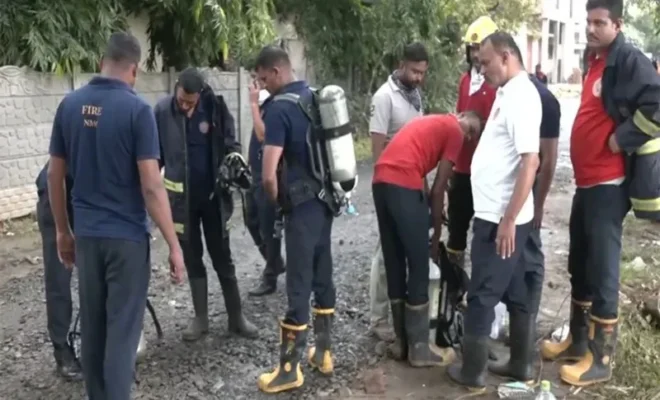
On the early hours of Monday, August 24, Nagpur city saw a major crisis due to the leakage of chlorine gas from a large tank at a water treatment factory located in the Godhani region of the city. Chlorine gas emanating from this site escaped to the surroundings, affecting the nearby residential localities. The people residing within a 200 metre radius from the source site were evacuated out of the area for their safety. There were reports that some people who were residing there started coughing and having breathing problems.
This crisis led to the involvement of the Nagpur Municipal Corporation Fire Department, police force, Orange City Water department personnel and the NDRF in dealing with the situation, and by early morning, the situation was controlled.
What Happened at the Nagpur Water Treatment Plant?
The leak took place in the Maharashtra Jeevan Pradhikaran water treatment plant in Godhani, near Collector’s Colony. According to the reports, the incident happened somewhere between midnight and 1 a.m. on Monday. The facility possessed a chlorine tank of 900 kg capacity, and as the gas was leaking from the cylinder, it dispersed towards nearby residential colonies.
It is known that the use of chlorine is necessary in the process of water treatment, but in its highly concentrated gas form, it may become quite dangerous in terms of inhalation. The gas spreading around the plant premises caused complaints among local residents concerning their health problems as a result of being exposed to it.
Why Were Residents Evacuated?
As soon as it became clear that the gas spread to the territory of the residential colonies, the police established a cordon around the area, and the people in the vicinity were encouraged to evacuate to safe places. It is believed that the 200-meter radius from the plant location became a restricted zone.
The evacuation was a measure taken for the purpose of limiting people’s exposure to the leaking gas while the teams with protection gear approached the cylinder.
How Many People Were Hospitalised?
The numbers of individuals affected have shifted over time, as the authorities evaluated the situation. In the beginning, the number was estimated to be 40; however, a more recent article published by Times of India suggests that at least 52 people were hospitalised. It is clear from the reports that the individuals affected by the incident include both residents and people associated with the building, including some children.
Some of the individuals exposed to the gas complained of having some problems with their respiratory system. While some initial reports stated that a couple of patients were in intensive care, later reports suggest that the situation is stable for the patients.
As the data on casualties and hospitalisations was constantly changing during the day, the exact figure can change.
How Did NDRF and Fire Brigade Control the Leak?
The emergency rescue operation comprised of several organizations because the approach to a cylinder emitting chlorine gas involves a specific type of safety gear and measures.
The Fire Department of Nagpur Municipal Corporation arrived at the location with water tenders and firemen wearing breathing devices. The members of NDRF force came to help with the containment exercise, along with employees from Orange City Water.
Eventually, the cylinder that was leaking was transferred and submerged into the caustic soda solution tank to neutralize the substance. According to reports, by the early morning the level of leakage had considerably decreased, and the joint effort came to an end at 5:30 a.m.
What Caused the Chlorine Cylinder to Leak?
The exact cause has not been identified yet.
A technical team has been asked to look into the case. Another official of Nagpur, Kumar Ashirwad, has questioned as to why the 900-kg chlorine reserve cylinder was lying out in the open and not in a completely enclosed and safe location. This will help them understand if there were any safety or storage breaches.
This investigation can play a vital role in the whole case as the problem here is not why did the cylinder leaked, but whether any safety measures were taken to prevent this from happening.
What Symptoms Can Chlorine Gas Exposure Cause?
In cases where people come into contact with high concentrations of chlorine gas, eye and respiratory irritation will occur. This is what is reported to have happened during the Nagpur accident where people suffered from difficulty in breathing as well as eye irritation.
For anyone who thinks they have been exposed, it is important to leave the contaminated area and follow all instructions provided by emergency officials. In case one suffers from severe difficulty in breathing or any other signs, medical help should be sought immediately.
Is It All Under Control?
It has been reported that the leakage has now been controlled and the gas concentrations reduced. The emergency response teams are still working on the situation while the residents have been advised not to panic and not to spread rumors.
It can therefore be argued that the situation is now under control; however, an investigation into the accident will continue to take place. It is also necessary for the plant safety precautions to be assessed.
Why the Incident Raises Bigger Safety Questions
This event becomes crucial due to the fact that the plant where the leakage took place is close to residences, and therefore the gas could affect people living nearby.
Thus, the issue raised by the Collector about the safety system used for keeping the cylinder with such a large amount of chlorine brings attention to the question of industrial safety.
In order to make the water drinkable, water treatment facilities make use of a lot of dangerous substances that should be kept safely.
Conclusion
The accident involving chlorine gas leakage at Godhani water treatment plant in Nagpur, where poisonous gas leaked from a 900 kg cylinder, developed into a major crisis within hours when the dangerous chemical gas spread to neighbouring residential areas.
The immediate leak has been controlled, but there are still a number of unanswered queries regarding the security and storage of the cylinder in which the leak occurred. Now a technical committee will have to conduct an inquiry into the incident to know what was behind the leakage and how it occurred.
The immediate threat due to the chlorine leak in Nagpur has been contained, but the more important issue that remains to be addressed is how a 900 kg chlorine cylinder could be stored in such a way that its leakage caused a risk to a nearby residential area.
Stay informed with these must-read stories!
What Awaits at Bengaluru Tech Summit?
Check out the 2026 summit dates, speakers, and exciting AI expo highlights.
How Can You Apply PMAY 2.0?
Find the eligibility rules, registration details, and online application process.
Is Biometric Surveillance Threatening Your Privacy?
Uncover the growing debate surrounding surveillance, protests, privacy, and civil liberties.
Can Critical Minerals Strengthen India-US Ties?
Explore how the initiative could support resilient semiconductor supply chains.
Why Do India-Russia Talks Matter Now?
Dive into Jaishankar’s Moscow visit and its impact on trade, energy, and diplomacy.