
Periyar Tiger Reserve Launches Special Operation to Eliminate Invasive African Catfish: Why the Species Is a Threat to Kerala’s Ecosystem
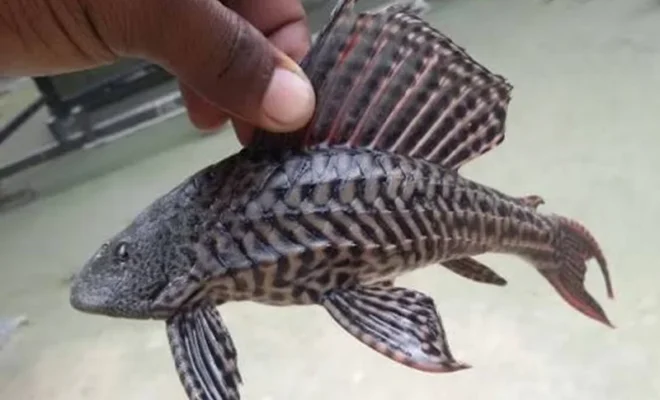
The Periyar Tiger Reserve has come up with an initiative to eliminate African catfish from its water bodies. This has turned out to be one of the biggest conservation initiatives that have ever taken place in the region.
According to forest officials, the alien species had spread very fast in some areas of the tiger reserve. The move comes at a time when the authorities have been trying to restore ecological balance within the protected wildlife landscape of India.
Why Is Periyar Tiger Reserve Targeting African Catfish?
African catfish is regarded as one of the most invasive species of freshwater fish in the world.
Although it is originally from Africa, this fish was brought to other countries due to its fast growth, good chances of survival, and adaptability to various environments. But as soon as it is released in natural water bodies, it may compete with the local fish species for resources.
It is believed by authorities that removal of this species is critical for preventing damage to the Periyar Tiger Reserve ecosystem.
Why Is African Catfish Considered Dangerous?
African catfish are much more adaptable predators than most native freshwater fishes.
They prey on smaller fish, frogs, insects, crustaceans, and even the eggs of aquatic creatures. Through this predatory feeding behavior, they cause a decrease in the number of native fish and disturb the ecological balance of freshwater ecosystems.
As they reproduce fast and thrive in poor water conditions, their population grows very quickly and becomes hard to control.
Environmentalists state that invasive species, such as African catfish, decrease biodiversity by replacing native aquatic life.
How Will the Special Operation Be Conducted?
According to forest officials, the operation involves systematic monitoring of affected water bodies, identifying areas with heavy African catfish populations, and removing them using scientific fishing techniques.
Authorities are also working with fisheries experts and local communities to prevent further introduction of the invasive species into protected habitats.
The initiative is expected to continue over multiple phases, with regular monitoring to ensure that native fish populations begin recovering.
Why Periyar Tiger Reserve Is Ecologically Important
African catfish are much more adaptable predators than most native freshwater fishes.
They prey on smaller fish, frogs, insects, crustaceans, and even the eggs of aquatic creatures. Through this predatory feeding behavior, they cause a decrease in the number of native fish and disturb the ecological balance of freshwater ecosystems.
As they reproduce fast and thrive in poor water conditions, their population grows very quickly and becomes hard to control.
Environmentalists state that invasive species, such as African catfish, decrease biodiversity by replacing native aquatic life.
Can African Catfish Affect Humans?
African catfish are not generally considered dangerous to humans through direct contact.
The primary concern is environmental rather than public safety. Their presence affects fisheries, native biodiversity, and freshwater ecosystems that many communities depend on for ecological services and sustainable livelihoods.
Because of these risks, several Indian states have discouraged or prohibited the farming and release of African catfish into natural water bodies.
Why Invasive Species Are Becoming a Bigger Challenge
As a result, wildlife managers throughout India are beginning to give more attention to invasive species because they usually grow faster than natives can recoup.
The challenges to ecosystem management include climate change, accidental introduction, and illegal introduction.
The program initiated by Periyar Tiger Reserve reflects the increasing importance being placed on stopping invasions and ensuring biodiversity before they get out of control.
What Happens After the Removal Drive?
This is not the end of the story. The Forest department will continue to check water quality, variety of fishes, and aquatic life to see if the native fishes start coming back.
Long-term conservation will also include prevention of releasing invasive species into the ecosystem along with raising awareness among people regarding the ecological risks of introducing non-native species into natural ecosystems.
Stay Ahead With Today’s Biggest Stories and Breakthroughs
How Safe Is Gaganyaan Now?
Where Can You Stream Lenin?
What Happened Near Phu Quoc Island?
Why Did Meta Remove AI Features?
Discover why Meta pulled its newly launched AI image tools and what led to the sudden decision.
How Will UPI Benefit Travelers?
Conclusion
This is not just a fisheries management project; it is actually a major conservation activity with regard to the protection of one of the most abundant freshwater habitats in India.
Through dealing with invasive species in the beginning, the government hopes to conserve biodiversity and the ecological balance in the habitat.
Conservation of wildlife doesn’t just mean conserving the animals; it also means conserving the rivers and lakes on which all the wildlife depends.