Red Sea Shipping Crisis Explained: How India Is Safeguarding Energy Imports Amid Maritime Threats
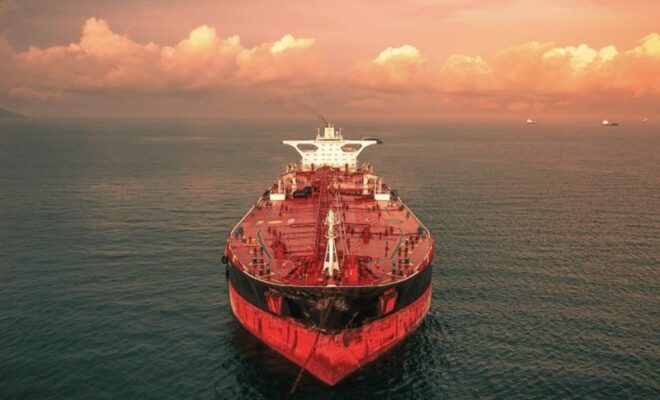
The Red Sea shipping crisis can be considered one of the largest and most serious geopolitical and economic threats to global shipping operations in recent times. Multiple attacks on the commercial vessels navigating through the Red Sea and the Bab el-Mandeb Strait corridor have posed significant challenges to one of the busiest shipping routes in the world.
For India, this crisis carries much importance, considering that a substantial part of the country’s trade in crude oil, liquefied natural gas, and other merchandise relies upon international shipping channels. Although there have been no problems with the supply of energy resources in India so far, the country has taken some precautions regarding this issue.
What Is the Red Sea Shipping Crisis?
Red Sea is considered one of the most strategic waterways in the world, linking the Mediterranean Sea to the Indian Ocean via the Suez Canal and the Bab el-Mandeb Strait respectively. Thousands of cargo ships and oil tankers traverse the sea every year due to the fact that it reduces the time taken to move from Asia, Europe, and the Middle East regions.
The current situation was triggered by several attacks that occurred on commercial ships traversing the region. Companies started rerouting ships around the Cape of Good Hope located in South Africa instead of taking the Red Sea route.
While the new route may be relatively safe in many cases, it adds thousands of kilometers to each trip, hence increasing time, fuel, insurance charges, and cost of transporting the cargo.
Why Does the Crisis Matter to India?
The reason is that almost 80 percent of oil imports by India are from the other countries, which makes maritime transportation very vital for the country.
Some part of the oil being imported by India comes from the Gulf countries, and Europe plays an important role as far as the business transactions go for both export and import.
Longer maritime routes could increase the cost of transportation, lead to delay in cargo shipments, and cause uncertainty in the supply chain system. Eventually, higher shipping costs will be reflected in the cost of imported products.
But still, the diversified procurement policy of India has enabled India to mitigate the risks in spite of the maritime issues.
How Is India Protecting Its Energy Imports?
India has employed a multi-dimensional approach to limit the effects of the shipping problems through the Red Sea.
One key move was to import crude oil from different countries rather than being highly dependent on one region only. Oil imports for India currently include the Middle East, Russia, the US, Africa, and Latin America, which makes disruption less likely in case of problems with one of the shipping routes.
Operationally, Indian companies involved in crude oil imports have been closely watching inventories, schedules, and freight movements around the world to make sure there are enough deliveries for the refineries at home.
India’s Navy has also boosted its presence in the Arabian Sea and neighboring regions to protect Indian ships and cargo operations in risky locations.
The Indian Navy’s Growing Role
The Red Sea shipping problem has emphasized the significance of maritime security.
The Indian Navy has increased surveillance efforts, sent warships for escort missions wherever required, and answered distress signals from merchant ships in the surrounding region.
All these activities not only seek to ensure the safety of Indian ships but also help stabilize the maritime environment in the region.
India has time and again emphasized the need for freedom of navigation for the stability of the world economy.
Could Fuel Prices Rise?
However, one of the major issues that arise from such shipping delays is if there would be higher prices for petrol and diesel for consumers.
While longer shipping routes imply higher shipping costs, fuel prices in retail markets are influenced by other variables, such as international crude oil prices, foreign exchange rates, costs of refining, taxes, and policies.
Up to now, diversification of import sources and strategic procurement have been able to cushion the impact.
But with continuing disruptions and rising prices of international oil, pressures on fuel prices cannot be discounted.
Impact on Trade Beyond Oil
The ramifications of the shipping crisis on the Red Sea go further than merely affecting the energy sector.
Some Indian shippers trading in Europe have indicated that there have been increased costs of freight and delays in delivery schedules due to the rerouting of ships through the African route by most shipping companies.
Some industries that might be affected include those dealing with textiles, engineering, pharmaceuticals, chemicals, and auto parts.
Why the Crisis Is a Global Concern
The Red Sea plays an important role in the movement of containers and energy through the region.
If ships are prevented from using this sea, the consequences will be felt far beyond the region as it will increase the cost of transporting goods and raise insurance premiums.
That is why all the governments of the world are paying attention to these developments and trying to cooperate in order to make the sea safe for navigation.
Energy-dependent countries such as India have to pay special attention to this issue.
What Happens Next?
The outcome of the Red Sea Shipping Crisis will depend heavily on the developments in terms of regional security and diplomacy.
Should there be a decrease in maritime attacks and an improvement in the confidence in the industry, shipping companies can slowly start operating in the Red Sea normally.
Before that, however, India will have no choice but to continue depending on diverse sources of energy, surveillance of its supply chain, increased naval presence, and strategic cooperation with other countries around the world.
Stay Updated on Global Developments
Why Did India Issue Iran Advisory?
Find out why Indian citizens have been urged to leave Iran immediately.
Why Must Indians Stay Indoors?
Learn why the MEA advised Indians in Iran to remain indoors.
Is UAE Safety Affected By Tensions?
Check out how regional tensions could impact Indians living in the UAE.
How Did The Oman Attack Unfold?
Uncover the confirmed details surrounding the Indian sailor’s tragic death.
What Happened To Frozen Assets?
Explore the latest updates on the release of frozen Iranian assets.
Conclusion
The crisis in the Red Sea region underscores the importance of robust supply chain networks and safe passage through maritime routes in times of need for imported energy resources by some countries.
As the world still faces challenges in its shipping business, diversification of oil imports, a strong naval force, and proper management of supply have played a vital role in mitigating imminent threats.
As far as geopolitics are concerned, these measures have been taken to keep India’s energy sources safe from any harm or disruption.
The Red Sea crisis is no less than a global shipping problem. Sea route security, diversification of energy sources, and maritime security have become just as important as oil security for India.