
Missing Daily Blood Pressure Medication? New Medical Study Details Hidden Risks
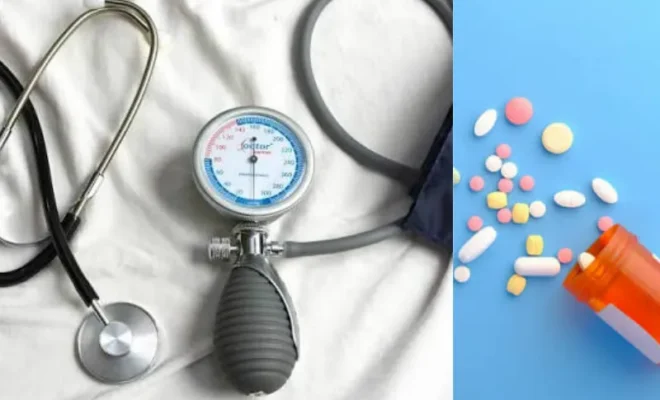
For millions of patients suffering from high blood pressure, it is nothing out of the ordinary for them to take a pill every morning or evening to help manage their condition. However, over time, such a routine might be easy to neglect. Missing a dose here and there or choosing to forego medication when your blood pressure is within normal levels might seem like a trivial thing to do.
However, current medical studies have revealed that missing your blood pressure medicine according to your prescriptions could lower its ability to offer protection against heart attack and stroke, among others.
The results of this study have exposed the problem of noncompliance when managing hypertension. The process of treating high blood pressure goes beyond reducing the levels of your blood pressure at the doctor’s office.
What Does the New Medical Study Reveal?
In a study done on data obtained from 91,339 participants from nine clinical trials, presented at the European Society of Cardiology (ESC) Congress 2026, patients were put into two categories based on their medication adherence levels. Higher adherence level patients took more than 80 percent of the drug, and patients taking less than 80 percent had lower medication adherence levels.
This analysis showed an important difference in treatment outcomes.
The result shows that in the case of higher medication adherence, the difference in systolic blood pressure between treatment and control group patients is 5.2 mmHg. In the case of lower medication adherence, the difference was 3.0 mmHg.
More importantly, higher medication adherence patients experienced 11% reduction in major cardiovascular events when compared to the control group. Major cardiovascular events include heart attacks, stroke and heart failure hospitalizations or deaths.
However, it seems there was no statistically significant reduction in major cardiovascular events in lower medication adherence group of patients.
The importance of difference lies here. 11% difference refers to difference in treatment and control groups for patients having higher medication adherence. 11% does not mean that skipping one pill will lead to an 11% increase in heart attacks risk.
Why Missing Blood Pressure Medication Can Be Dangerous
High blood pressure is referred to as the silent disease because of the fact that most people do not have any obvious symptoms despite their having consistently high blood pressure.
If there is inconsistent taking of the medicine given for lowering of blood pressure, the blood pressure will become difficult to control. Persistent high blood pressure causes extra strain on artery walls, leads to damage to blood vessels and makes the heart work harder.
Such conditions could cause complications including the following:
- Heart attack: Prolonged high blood pressure causes harm to the arteries leading to atherosclerosis and coronary artery disease which could result in heart attack.
- Stroke: Inconsistently high blood pressure could damage the blood vessels carrying blood to the brain resulting in a possible stroke, either haemorrhagic or ischemic.
- Heart failure: Consistent pressure causes the heart to pump harder and over time weakens the heart muscles.
Kidney damage: High blood pressure harms the small blood vessels that filter out waste products from the blood thus damaging the kidney functions.
The complications will not be caused by one missed pill but by consistent omission of the pill to be taken.
Why Do Patients Stop Taking Their Medicines?
Non-adherence to drugs is not always associated with recklessness. There are several reasons why some people fail to observe the instructions.
Some individuals stop taking the tablets when their blood pressure is improved, thinking that the disease is gone. Some develop certain side effects like dizziness, swelling, tiredness, or coughing and stop taking the prescribed drugs.
Sometimes, high prices of medicines, complicated schemes of drug taking, forgetfulness, and absence of regular doctor visits might play a role.
It is important to mention one more myth about taking medicine for high blood pressure. Sometimes people think that they feel fine means that their readings are okay. In fact, it is possible to have high readings without having any problems like headaches, pain in the chest area, or dizziness.
Therefore, better readings might be an indicator of the effectiveness of the drugs.
What Should Someone Do After Missing a Dose?
Failing to take the tablet at times does not necessarily imply that an emergency medical situation would arise. Nevertheless, this is dependent on the particular drug, its type, and the time that has lapsed from when the medication was supposed to be taken. Patients should take their medication following the guidelines given or contact their doctor or pharmacist for assistance.
Taking double the next dose to make up for the missed tablet should not be attempted since this can be detrimental to your health and must only be done after consultation with a health professional.
Patients are also discouraged from discontinuing use of antihypertensive drugs abruptly. Some drugs have been found to trigger a rebound effect when stopped suddenly such as beta-blockers and central acting blood pressure drugs.
Simple Ways to Improve Medication Adherence
Enhancing compliance does not necessarily have to involve complex medical procedures. It is possible to achieve this through minor alterations to one’s routine.
Set up reminders: Alarms on smartphones and medication apps may aid in avoiding missed doses.
- Use a pill box: Weekly pill boxes make it simpler to know whether medications have been taken.
- Stick to a routine: Associating taking medications with eating breakfast or some other daily routine helps form a consistent routine, provided that this process conforms to the prescription schedule.
- Discuss side effects: People who suffer from adverse symptoms should contact their doctor and not stop treatment.
- Prescribe fewer medications: It is worth considering the possibility of prescribing once-daily medications or combination pills to patients.
- Monitor blood pressure: Keeping records of blood pressure at home allows patients and doctors to understand if medication works for patients and requires any adjustments.
Family members can also aid older patients in organising prescriptions and scheduling appointments.
Lifestyle Changes Must Support Medical Treatment
Medications are not the only means of managing high blood pressure effectively. Daily routines are also factors that can have an impact on blood pressure and the cardiovascular system.
A diet based on vegetables, fruits, whole grains, beans and low-fat milk products can be helpful in lowering blood pressure. Limiting excess sodium intake, minimizing alcohol consumption, not smoking and being within a normal weight range is also essential.
Physical activity can help improve cardiovascular health as well. It is recommended that adults take no less than 150 minutes of physical activity per week, depending on their health condition and physical abilities.
Sleep and stress management can also help achieve optimal cardiovascular health.
Yet, any lifestyle changes should be complementary to medications prescribed by a doctor.
The Bigger Lesson: Blood Pressure Management Requires Consistency
The latest studies debunk the myth that missing doses of your prescribed drug is insignificant. Although missing just one dose does not mean that you are going to have a heart attack or stroke right away, missing doses on a regular basis may lead to reduced effectiveness of the drugs in protecting your heart.
It is also important for healthcare professionals to understand that medication adherence cannot be the sole responsibility of their patients. The treatment regime should include affordability of the drugs, side effects, personal circumstances, etc.
Managing high blood pressure includes regular check-ups, consultations, proper medication and healthy lifestyle changes.
At the end of the day, the goal of taking your daily dose of blood pressure drug is not only making sure that your blood pressure level will become normal right now. The main aim is minimizing the risks of developing heart problems in the future.
Cricket Updates, Bollywood Buzz, Online Safety & Government Schemes
Why Is Mohammed Siraj Missing From India’s England T20I Squad?
Discover the latest squad changes, why Siraj is not featuring, and what Shreyas Iyer’s new captaincy role means for the team.
Why Was Lahore 1947 Renamed Batwara 1947?
Explore the reason behind Sunny Deol’s film title change, its first-look motion poster, and the reported August 14 release date.
How Do Digital Arrest Scams Trap Innocent People?
Learn how fraudsters impersonate officials, use intimidating video calls, and exploit fear to steal money—and how to recognise the warning signs.
How Can You Apply for PM Surya Ghar Yojana Online?
Follow the step-by-step application process, eligibility details, rooftop solar subsidy information, and how households can benefit from the scheme.
Why Is West Bengal Dropping ‘Dham’ From the Digha Temple Name?
Understand the local political controversy surrounding the Digha Jagannath Temple’s name and the reasons behind the proposed change.