Drought in Maharashtra: Voluntary Pay Cuts Won’t Fix India’s Agrarian Vulnerability
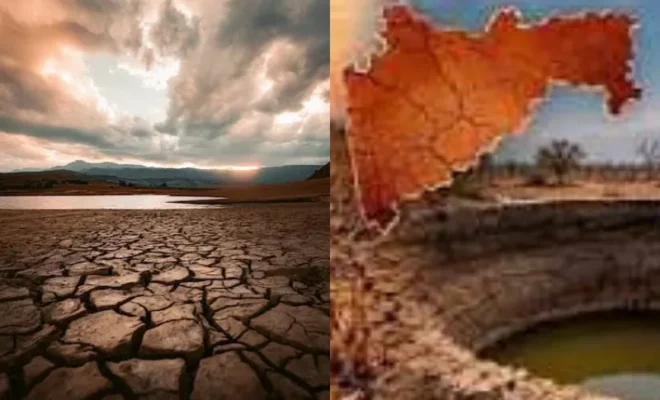
The recurring drought situation in Maharashtra reflects a problem in the agricultural sector of India – many farmers are still at the mercy of rains, declining groundwater and escalating costs of production. Whenever the situation arises where the drought creates a problem for agriculture and rural life, the government announces relief programs and the local government representatives volunteer to reduce their salaries as a sign of sympathy. Though such actions reflect the concern of the government, they cannot help solve the fundamental issues of making agricultural communities resistant to any rainfall shortfall.
This means that the task of the authorities should be to create an agricultural structure, which will allow farmers to cope with climate uncertainties without falling into debts, becoming refugees or repeatedly receiving some relief payments.
The drought situation in Maharashtra shows the necessity of changing the approach to managing drought.
Maharashtra’s Drought Problem Runs Deeper Than Rainfall
Maharashtra is characterized by varied agricultural landscapes; however, certain areas in Marathwada and Vidarbha continue to experience water stress. Monsoon irregularity, drought periods, excessive use of groundwater and lack of equal irrigation facilities might exacerbate the effect of insufficient rainfall.
Farmers working on rain-dependent lands suffer from especially high risks. In case of delayed monsoon, the cultivation process gets hindered; in case of a drought period that comes at the right moment, even moderate rainfall fails to provide sufficient moisture for crops despite apparent normality of the season. Increasing costs of seeds, fertilizers, pesticides, fuel and labour amplify negative financial effects of crop failure.
This issue is also associated with agricultural practices. Crops requiring intensive watering can be grown in those regions where water is insufficient. Nevertheless, farmers should have alternatives in order to adapt to changed conditions and new market demands.
Consequently, drought cannot be considered a natural calamity. The effects of drought depend on the quality of governmental management of water, infrastructure, agriculture and rural areas.
Why Voluntary Pay Cuts Are Not Enough
Salary reductions made voluntarily by elected members or public servants may attract public attention in times of crisis. They may indicate solidarity with the affected communities and prompt further involvement in the relief process. Nonetheless, they make a smaller contribution to the problem financially than the losses made by the agriculture sector and the investment needed for infrastructure development.
The farmers who have experienced a crop failure require compensation, cheap credit, water for drinking, fodder for animals, and employment if cultivation becomes non-profitable. These demands cannot be fulfilled through voluntary contributions alone.
Furthermore, voluntary contributions do not form a permanent system of accountability. Drought preparedness needs predictable finance, defined responsibilities, and monitoring. The relief process should not rely upon whether a particular public representative is willing to forego some of his or her salary.
What really matters is whether there is proper allocation of public funds for drought preparation and if the aid reaches affected families promptly to prevent financial problems.
Water Management Must Become a Long-Term Priority
Water security improvements ought to form an integral part of the state’s drought policy. Water bodies, check dams, contour bunds and groundwater recharge will help in saving rainwater from becoming runoff.
It needs to be kept in mind that water conservation schemes should be designed in accordance with the hydrogeological conditions of the region. Unplanned infrastructure can prove to be counterproductive and may cause more harm than good owing to the scarcity of water. There needs to be proper assessment of the scheme in terms of measurable indicators such as groundwater levels, availability and agricultural productivity.
Micro-irrigation systems like sprinkler and drip irrigation can help increase the water-use efficiency of the system. However, cost and maintenance issues as well as lack of subsidy can act as deterrents.
The need for crop diversification is no less. Millets, pulses and some other crop types can be cultivated in order to save water in some parts of the state.
Protecting Farmers From Financial Distress
Resilience to droughts will require improved financial protection. There will be need to have a proper crop insurance scheme, where coverage is clear, loss assessment is prompt and compensation is made to those who suffer losses.
Institutional credit, agricultural extension services and other measures will assist households cope with temporary shocks. Employment schemes for government can offer additional sources of income when farm labor is low, while livestock programs and fodder banks will offer an additional source of rural income.
Finally, there will be need for improved access to weather forecasting and warning systems. Early knowledge on rainfall, moisture levels and the likelihood of dry spell will assist farmers make sound judgments on planting, irrigation and choice of crops.
These strategies are not substitutes for rain, but will minimize the economic impact when rains fail.
Climate Change Makes Reform More Urgent
Changes in climate are making preparation increasingly crucial for Indian agriculture. Rainfall patterns, hot spells and prolonged drought could make farming calendar less effective.
Adaptation must be achieved through cooperation among state governments, universities of agriculture, local administrations and farmers. Any policy adopted needs to incorporate scientific research and farmers’ experience of local soil and water resources.
Costs associated with investment in building drought resistance might look high but costs of constantly reacting to emergency situations are also high.
Conclusion: Replace Symbolic Relief With Structural Reform
The drought issues of Maharashtra cannot be addressed through voluntary salary reductions or announcements alone. Such efforts might show solidarity, but for long-term protection, investments have to be made on water conservation, agricultural resilience against climate change, crop insurance, and employment schemes.
In India, drought preparedness has to become a constant process of public administration and not an emergency activity that gets triggered only after failure of crops. Farmers require an institutional arrangement that allows them to cope, absorb shock, and rebuild themselves without being caught in a debt trap.
Finally, it is not about how much money public representatives give up in the process of responding to the drought situation, but how well farmers can survive without their crops.
Environmental Crackdowns, Safety Alerts & Major Policy Moves
Why Has the J&K High Court Restricted Water Sports on Dal Lake?
Discover how the motorboat and jet ski ban aims to protect Dal Lake from further ecological damage.
What Triggered FSSAI’s Legal Action Against Two Food Companies?
Explore the reported food safety violations involving Dodla Dairy and UEIR Organic Foods and the action initiated by FSSAI.
What Happened in the Chhattisgarh Paper Mill Gas Leak?
Find out what is known about the gas leak that reportedly left seven people ill after the Vizag incident.
Why Has PepsiCo Lost Rights Over Its Potato Variety in India?
Uncover the dispute over potato variety protection and what the decision could mean for farmers and plant breeders.
What Could Modi’s Canada Visit Mean for Bilateral Ties?
Explore the planned December 11–12 visit and its potential significance for India-Canada relations.