
Rajasthan Veterinary Doorstep Scheme Reaches Over 6.8 Million Livestock
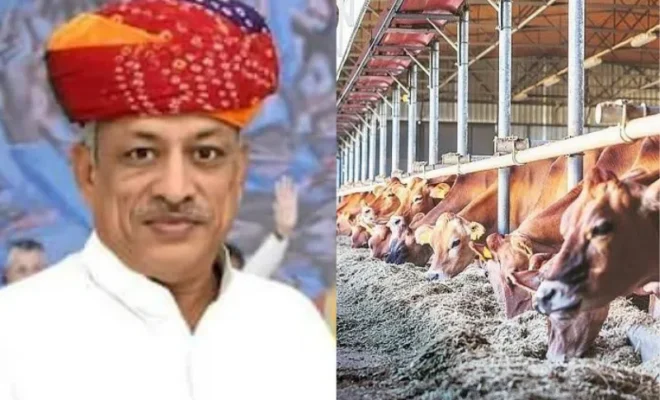
The veterinary doorstep service in Rajasthan has become a key project in providing better animal health care in the rural parts of the state. According to reports, the programme run by the state government has been able to offer veterinary help to more than 6.8 million livestock.
Through this program, efforts have been made to improve animal health care, decrease livestock deaths, and assist those who depend on dairy farming or animal husbandry for earning a living. This is a critical problem faced by livestock keepers in remote locations.
How Does the Doorstep Veterinary Scheme Work?
The programme makes available veterinary services through mobile veterinary units in response to calls by livestock owners.
The farmers can make a request for assistance for their sick and injured animals, thereby making it possible for the veterinary officers to come to them and offer assistance.
The programme is especially beneficial to the farmers who own animals like cows, buffalos, goats among others, and whose movement to health centres might be a challenge.
Mobile veterinary units can offer services such as preliminary checkups, treatment, medical advice and many others. In some cases, the veterinarians might advise on additional treatment for the animals in specialized health centers.
Improving Rural Livestock Healthcare
Raising animals forms an important part of the rural economy of Rajasthan. Livestock offers milk, livelihoods, and other forms of assistance in agriculture to the farmers.
But due to lack of facilities for the treatment of livestock, the chances of a disease outbreak become more. The doorstep service program aims to solve the problem of accessibility by ensuring that there is easy availability of veterinary personnel and services.
Proper diagnosis and prompt treatment may save animals from developing minor illnesses into major diseases. In addition, veterinary treatment will ensure better productivity and good dairy products.
This program will also assist in disease monitoring through the identification of various health problems in different villages.
Benefits for Farmers and Livestock Owners
The plan comes with a number of advantages for the rural community including:
- Access: The veterinary service providers reach the animal owners instead of making the animals travel.
- Cost savings: On-site services minimize transport charges.
- Prompt medical attention: It can increase chances of recovery.
- Productivity: Healthy livestock can help generate dairy products and income.
- Animal healthcare in remote locations: Rural areas can have better access to animal health services.
Strengthening Rajasthan’s Animal Husbandry Sector
With over 6.8 million livestock being covered under the programme, one gets a sense of how relevant it is for the veterinary health care services to be easily available in the state of Rajasthan.
The continued investment in veterinary infrastructure, skilled manpower, medication, and emergency management system would continue to matter for the programme to survive.
In the case of households that rely on livestock for their subsistence, the availability of veterinary health services at their doorsteps makes all the difference.
Consumer Rights, Home Appliances, Entertainment & Education
How Can You Claim Compensation from NHAI for Pothole Damage?
Discover the process for reporting road damage, filing an online complaint, submitting evidence, and seeking compensation for vehicle repairs.
Does Your Inverter AC Really Need a Stabilizer?
Explore five important features to check before buying and understand when a stabilizer can help protect an inverter AC from voltage fluctuations.
Which 5 South Indian Movies and OTT Releases Should You Watch This Week?
Check out the latest Malayalam, Tamil, Telugu, and Kannada releases, explore their streaming platforms, and plan your weekly watchlist.
What Does CBSE’s Three-Language Policy Mean for Students?
Understand the revised language requirements, identify which students may be exempt, and discover what changes from the current academic session.
Who Was Sarla Bhat and Why Is Yasin Malik Named in the Case?
Explore Sarla Bhat’s background, the 36-year-old case, and the allegations and investigation surrounding Yasin Malik’s reported role.