FSSAI vs Red Bull: Why Delhi HC Set Aside the ‘Energy Drink’ Labelling Ban
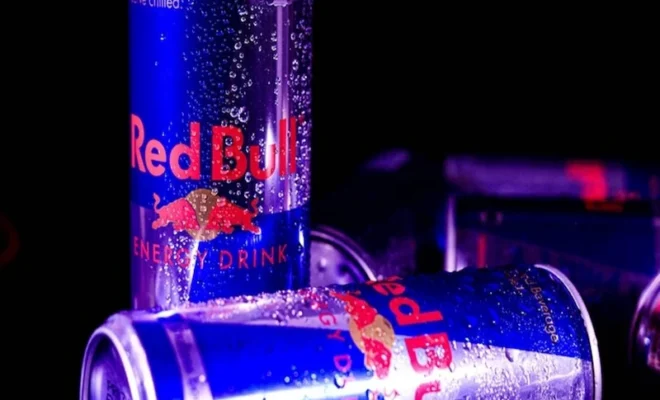
The FSSAI vs Red Bull controversy has assumed a new turn with the Delhi High Court setting aside the order by the food regulator requiring Red Bull India to cease use of the description “Energy Drink” on its cans.
This controversy is not one limited to the labeling of a few words on a tin. The larger issues that have arisen from this case include those of food labeling, regulatory powers, and information that should be provided to consumers, and whether a company should be given an opportunity to respond before implementation of a regulation.
It needs to be remembered that while the court’s order sets aside the order of June 30, it does not mean that the labeling issue has been resolved in favor of Red Bull India, nor has the FSSAI been rendered incapable of regulating the food item.
What Is the FSSAI vs Red Bull Dispute?
The issue started when the Food Safety and Standards Authority of India (FSSAI) instructed Red Bull India to stop using the description “Energy Drink” on its energy drink products.
The company contested this ruling in the High Court of Delhi, asserting that the regulator had issued the instruction without giving it a chance to present its case after issuing a show cause notice.
Red Bull stated that it had been marketing its energy drinks using the term “Energy Drink” in India for a long time.
Why Did FSSAI Object to the “Energy Drink” Label?
This regulatory concern is tied to the classification and labeling of beverages containing caffeine.
Based on reports on the conflict, FSSAI had expressed reservations about the term “Energy Drink” being used and considered the term an issue of labeling or misbranding. The regulatory body’s stance was related to the lack of appropriate regulatory framework that could enable it to consider the term as an acceptable category.
In this case, the regulatory issue is of relevance as the products in question may contain certain substances such as caffeine, sugar and taurine.
What Did Red Bull Tell the Delhi High Court?
Red Bull challenged the FSSAI ruling both procedurally and commercially.
Red Bull contended that the directive dated June 30 had been issued without allowing it a proper opportunity to respond to it and provide the reasons why the use of the descriptor by it was justified.
Red Bull informed the court that it had been using the descriptor in India since 2002 and that the regulatory position had always allowed or accepted the descriptor for the category of caffeinated beverages in question. Red Bull further contested an additional communication regarding the taking of actions against products which are non-compliant.
Why Did the Delhi High Court Intervene?
The key question in front of the court was not whether Red Bull has an unquestionable right to brand their product as “Energy Drink”.
Rather, the court deliberated on the concepts of natural justice and due process of law.
As Justice Amit Mahajan pointed out, the order dated June 30 restraining Red Bull from using the term did not give them a chance to file any submissions in defense.
Hence, the court quashed the order on the above mentioned technical basis.
It is essential to note that the court’s ruling does not imply that FSSAI cannot impose restrictions on the use of the term “Energy Drink”. What it does mean is that the agency needs to go about it in the correct manner.
Can FSSAI Ban the Label Again?
Certainly not, as the case may not yet be over.
The High Court of Delhi has permitted FSSAI to re-examine the matter through due process, involving hearing Red Bull’s view on the matter.
This allows the regulatory body to come up with a new notice, take into account the view of the company, and then make a new decision according to the law.
Therefore, for consumers, the most recent development should be regarded as procedural success for Red Bull, not as a judicial decision approving of the “Energy Drink” label.
Can Red Bull Continue Using “Energy Drink” Now?
Red Bull is able to use the “energy drink” tagline temporarily since the order issued by FSSAI on June 30 was quashed by the court.
But the difference lies in the fact that FSSAI may conduct a new regulatory process and issue a new order in the future after hearing from the company.
Thus, it becomes clear that there is a difference between the current status and the regulatory process.
Why This Case Matters to Other Beverage Companies
This case may have ramifications not just for Red Bull but also other beverage manufacturers whose products are caffeine-containing beverages.
Reuters revealed that beverage companies such as Pepsi, Monster Beverage, and Reliance had raised objections to the regulatory move, although the company which decided to go to court was Red Bull. This means that the final outcome of this regulatory procedure will determine how such beverages are marketed in the future.
What Does This Mean for Consumers?
To consumers, this means the court decision did not determine whether energy drinks were safe or unsafe.
The issue at hand in this case is whether the proper procedure was followed by the regulator before making the company change their labeling.
The wider discussion regarding health implications of beverages high in caffeine content is different altogether. Consumers need to keep looking out for the nutrition facts, caffeine levels, and health warnings provided on the packages.
This labeling issue, therefore, is one of regulation, and not a health assessment of the beverage Red Bull.
What Happens Next?
The next crucial stage would involve the process of regulation between FSSAI and Red Bull.
FSSAI may again give a fresh show cause notice, consider the reply of Red Bull and then take a new decision. It is clear from the statement of FSSAI that it is prepared to stick to its stand whereas the court has kept the door open for taking a new decision on the right process.
Conclusion
In the FSSAI vs. Red Bull dispute over the labeling of energy drinks, the Delhi High Court’s judgment has altered the status quo to some extent, at least for the time being.
Red Bull continues to use the “energy drink” descriptor since the judgment of the court annulled the order dated June 30 issued by the FSSAI on the grounds that Red Bull had not been offered a fair chance to defend itself.
Nevertheless, the court did not reach a definitive conclusion on the use of the descriptor.
Related Reads: What’s Changing in Food Safety?
What Did FSSAI Flag Online?
Check out the food-label concerns involving major online platforms.
Why Did Nestlé India Stocks Fluctuate?
Find out what FSSAI’s formula review means for investors.
Why Is Paneer Facing Nationwide Action?
Uncover FSSAI’s enforcement drive against analogue paneer across states.
What Changed in Tea Labelling Rules?
Browse the latest FSSAI norms for tea labels in India.
Why Is FSSAI Facing Court Questions?
Reveal what the Supreme Court’s concerns mean for health warnings.