
Chilika Lagoon Conservation Drive: Impact on Native Fish and Aquatic Biodiversity Explained
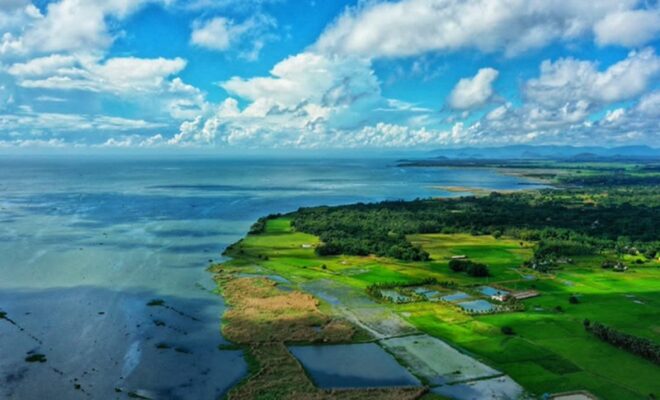
The conservation effort of Chilika Lagoon can be described as one of the most effective cases of restoration of wetlands in India, as it helped in rejuvenating the fish stock and ecological balance of Asia’s biggest brackish water lagoon.
Chilika Lake, located on the coast of the state of Odisha, has been recognized by international bodies as a Ramsar Wetland of International Importance. In the last two decades, the concerted efforts of the conservation movement have helped in converting the degrading lagoon ecosystem into one of abundant biodiversity and fisheries, providing livelihoods to thousands of people.
Nowadays, researchers consider the Chilika lagoon as a model of how scientific intervention and community conservation efforts can be combined to save fragile aquatic ecosystems.
Why Chilika Lagoon Is Ecologically Important
Chilika Lagoon is one of India’s most bio-diverse wetlands.
The lagoon acts as a breeding and nursery place for many kinds of fishes, while being home to prawns, crabs, molluscs, dolphins, and migratory birds traveling thousands of kilometres in winters.
Since Chilika Lagoon acts as a link between freshwater rivers and the Bay of Bengal, it creates an ecological system of brackish water where marine and freshwater organisms live together.
This ecological diversity is what makes Chilika one of the nation’s most precious natural treasures.
Why Conservation Became Necessary
A few decades back, Chilika was undergoing severe environmental pressure.
Heavy sedimentation, decreasing connection with the sea, invasive aquatic plants, pollution, and uncontrolled fishing methods slowly started to influence the water flow and breeding places for fish.
As water exchange with the sea became minimal, changes in the salinity levels occurred, which directly influenced the natural aquatic species that required ecological balance to survive.
The catch of fishes started to decline drastically, causing financial difficulties for hundreds of families of fishermen who lived near the lagoon.
What the Conservation Drive Has Achieved
However, the efforts to conserve the Chilika Lagoon ecosystem emphasized the need to rejuvenate the natural ecological cycles of the lagoon rather than just focusing on the control of pollution.
Among other measures, an important step was to reopen the lagoon’s sea mouth to facilitate water circulation between the lagoon and the Bay of Bengal.
Water circulation helped to achieve natural salinity levels, better oxygen concentration and appropriate breeding environment for the native fish species.
Moreover, there were additional steps towards habitat surveillance, biodiversity research, invader species control, and community-based conservation.
All these have contributed greatly to the rejuvenation of the Chilika Lagoon.
Impact on Native Fish Populations
One of the most notable achievements of the Chilika Lagoon conservation effort has been the restoration of the local fisheries.
Enhanced water quality and ecological balance have attracted various species of fish that were previously in decline due to degraded habitat.
Fish recruitment has gone up owing to better breeding grounds, which have contributed towards an enhanced output of fish from numerous areas within the lagoon.
Not only biodiversity but also fishermen who make their living through fishing in the lagoon have been beneficiaries of the process.
It is said that sustainable fish populations maintain ecological balance by sustaining the food chain in the lagoon.
Benefits for Aquatic Biodiversity
Conservation activities have not only yielded benefits for fisheries alone.
Enhanced aquatic plant life, increased diversity of plankton, cleaner water, and restoration of the habitats have helped improve the whole ecosystem.
One of the lagoon’s most distinguished inhabitants is the endangered Irrawaddy dolphins, which have benefited from improved habitat and conservation.
Every winter, the lagoon is still a destination for millions of migratory birds making it one of Asia’s premier wetlands ecosystems.
It is observed that conservation of any part of an ecosystem yields positive results along the food chain.
How Local Communities Benefit
The success of the Chilika Lagoon conservation efforts is greatly connected with community involvement.
The fishing community, on the other hand, has gradually joined hands with conservation efforts through sustainable fishing, awareness programs, and resource management.
Increased fish productivity has not only enhanced their livelihoods but has also minimized pressure on over-exploited resources.
Eco-tourism, which includes dolphin and bird watching, has also helped generate extra income for the locals.
Such a marriage of environmental conservation and economic benefits has enhanced community support for environmental conservation.
Challenges That Still Remain
While there has been a positive trend, there are still a number of environmental issues that need to be addressed.
The lagoon may face threats from climate change, altered rain patterns, upstream pollution, poaching, invasive species, and coastal development.
Scientific monitoring, habitat restoration, and community involvement will be key in ensuring sustainability for the next few decades.
It is important to note that wetlands conservation is an endless journey rather than a one-off affair.
Why Chilika Matters Beyond Odisha
Chilika Lagoon conservation program provides significant insights into wetland conservation efforts not just in India but also around the world.
In particular, the Chilika example has proven that the process of reviving natural flow of waters, biodiversity protection, community engagement, and science-based management of the area help restore ecosystems.
With climate change affecting wetlands all around the world, the experience gained by Chilika is very relevant.
Stay Updated on Global Developments
Why Must Indians Stay Indoors?
Learn why the MEA advised Indians in Iran to remain indoors.
Why Did India Issue Iran Advisory?
Find out why Indian citizens have been urged to leave Iran immediately.
How Did The Oman Attack Unfold?
Uncover the confirmed details surrounding the Indian sailor’s tragic death.
Is UAE Safety Affected By Tensions?
Check out how regional tensions could impact Indians living in the UAE.
What Happened To Frozen Assets?
Explore the latest updates on the release of frozen Iranian assets.
Conclusion
Restoration of ecosystems works for nature and people, as seen from the example of the Chilika Lagoon conservation campaign.
The project succeeded in improving water quality, restoring native species of fish, protecting aquatic diversity, and establishing sustainable livelihoods, thus becoming a successful model of ecological restoration.
Well-preserved wetlands provide not just a habitat for animals, but security for future generations in terms of their food, biodiversity, and even climate change resistance.