Chabahar Port Operations: Why India Is Engaging Regional Stakeholders Amid US-Iran Tensions
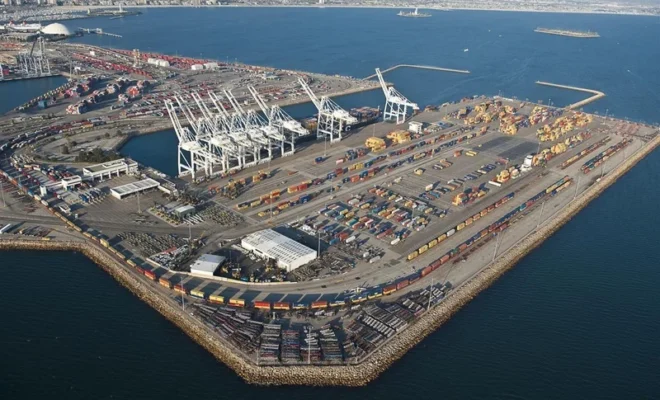
India has remained focused on the strategically vital Chabahar Port of Iran despite the ongoing US-Iran tensions that have cast uncertainty over the region. Currently, negotiations are being held regarding the administration and running of the port, reports suggest.
The moment is crucial. The broader US-Iran conflict has led to disruptions in shipping and geopolitical risks in the Strait of Hormuz as well as complications in the trading routes of the Gulf. On August 31, direct military engagements between US and Iran came back after some period of relative peace.
However, for India, Chabahar Port holds much greater significance than just India-Iran ties. It is one of the key elements of India’s broader connectivity policy towards Afghanistan, Central Asia and beyond.
Why is Chabahar Port Important for India?
The Chabahar Port lies in southeastern Iran, out of the Strait of Hormuz, which makes it strategically important for India.
The port offers India an alternative maritime route to Afghanistan and Central Asia without having the Indian goods pass through Pakistan. For many years now, the Indian government has been considering the Chabahar Port as an integral part of India’s regional connectivity strategy.
Additionally, India is developing Shahid Beheshti terminal in Chabahar through Indian Ports Global Ltd. In earlier times, India had laid down its vision for the development of the Chabahar Port as a transshipment hub as a part of the International North-South Transport Corridor linking India with Central Asia and Eurasia.
India and Iran Continue Chabahar Discussions
Recent reports indicate that India and Iran continue their negotiations on the management of Chabahar port. The talks are currently taking place in the context of the ongoing diplomatic and economic pressure from Washington on Tehran.
The talks illustrate the difficult situation which India finds itself in at present. New Delhi needs to maintain its strategic and economic cooperation with Iran, while it also should sustain its relationship with the US and avoid being put at risk of sanctions.
For India, therefore, the preservation of Chabahar remains both economically and diplomatically vital.
US-Iran Relations Make Chabahar Particularly Valuable
The existing geopolitical realities increase the value of alternative transport corridors significantly.
Strait of Hormuz has been disrupted quite seriously by the recent US-Iran conflict. This waterway normally transports substantial amount of the world’s oil and gas shipments and the recent disruptions made states and businesses reevaluate their dependency on this bottleneck.
However, for India, Chabahar is not just an alternative for the Gulf region energy shipments, it is the route designed to integrate India into the Afghanistan and Central Asian market.
Thus, the existing crisis increases the importance of diversification of trade routes.
Why Do Regional Players Matter?
Chabahar was never designed to be solely the India-Iran project. Its significance lies in the possibility of the connection it provides.
Previously, India has tried to work with Central Asian countries on the development of Chabahar port as the part of the International North-South Transport Corridor. Indian authorities described the project as the opportunity for cheaper transportation and creating a shorter and more efficient route between South Asia and Central Asia.
This regional dimension becomes particularly important during the time of geopolitical tension.
For Chabahar to become a successful project, exporters, shipping companies, transit countries and regional authorities have to be confident in the viability of the route.
India’s Diplomatic Balancing Act
The primary difficulty for New Delhi is that Chabahar functions amid a growing geopolitical complexity.
India maintains significant strategic and economic ties with the US while Iran remains a valuable partner in India’s efforts to promote regional connectivity.
These dynamics are further complicated by increasing US economic pressure on Tehran, with recent US-Iran tensions having repercussions for India’s trade routes. Indeed, Indian exporters have been adversely affected by the decision of the UAE to suspend trade and financial dealings with Iran, with Indian exporters warning of rising freight and insurance expenses and payment delays.
India’s involvement in Chabahar is especially delicate in light of this reality.
New Delhi needs to be able to maintain the strategic value of the port without exposing itself to legal and diplomatic risks associated with working with Iran.
Chabahar Is No Longer About Bypassing Pakistan
It is common to refer to Chabahar as India’s way of bypassing Pakistan, however, it became increasingly clear that the strategic significance of the port has gone beyond this.
Indeed, Chabahar plays into India’s greater plan of establishing itself as a transit and trading hub linking South Asia to Central Asia and to Europe.
Another strategic dimension of Chabahar is diversification, the more trade corridors India establishes, the less vulnerable its exporters become to disruptions at any one particular route.
This point becomes especially evident during the present regional crisis as governments of the Gulf region are busy developing alternative trade routes, pipelines and ports.
What Happens Next for Chabahar?
The priority is to continue negotiating the India-Iran deal in order to maintain effective operation of Chabahar.
In terms of geopolitics, there is also a lot to consider. The escalation of the conflict between the US and Iran may lead to increased risks of shipping, insuring and complying with regulations, thus increasing the cost of such operations and complicating them.
However, continuing diplomatic work may also result in a stabilization of trade routes.
For India, the aim would be to ensure the proper functionality of Chabahar as well as maintaining communication channels with all relevant regional partners.
Conclusion
Chabahar Port has become increasingly significant because of its increasingly uncertain environment.
The continued participation of India in Iran-related projects proves that the port has significance for India as a strategic asset and not only as a bilateral infrastructure project. The importance of Chabahar is defined by its ability to connect India with Afghanistan and Central Asia, diversifying trade routes and enhancing India’s position in the Eurasian connectivity network.
In times of tensions between the US and Iran that disrupt existing trade routes, Chabahar becomes an important means of achieving India’s economic goals.
Chabahar is not just about Iran for India; it is about maintaining the access to Central Asia through the strategically important gateway.
Explore the Global Shifts Shaping India’s Future
How Could Hormuz Disrupt India’s Oil?
Check out how the Strait of Hormuz standoff could affect crude prices and India’s import costs.
Can Lebanon’s Ceasefire Bid Ease Tensions?
Find out how Lebanon’s ceasefire push could reshape the escalating Israel border conflict.
Why Did US Sanctions Target Indian Firms?
Uncover why Washington sanctioned four Indian companies over Iran trade and maritime compliance.
Could New Iran Sanctions Threaten India’s Energy?
Browse how fresh US sanctions and trade warnings could impact India’s energy security and oil imports.
Why Is India Exploring Arctic Freight Routes?
See how India’s first Arctic freight voyage could diversify supply lines through the Northern Sea Route.