Union Health Ministry Proposes CCTV Surveillance Rules Across Licensed Pharmacies
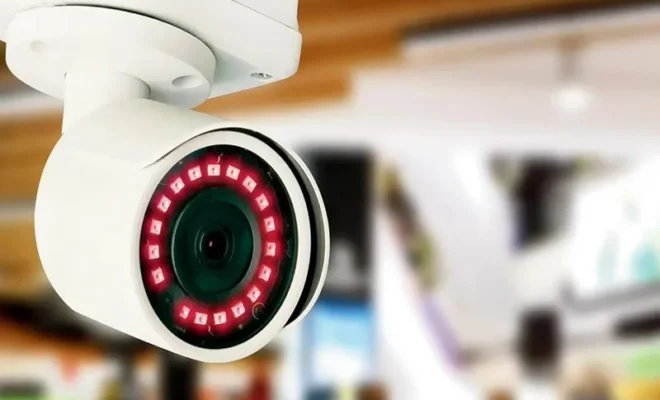
The Union Ministry of Health has come up with a radical amendment for the manner in which prescription medicines are sold at licensed pharmacies in India. In the draft amendment to the Drugs Rules 1945, medical stores are expected to put up and maintain CCTV monitoring during the sale of medicines supplied through prescriptions. The move is intended to improve regulatory oversight to ensure that there are no cases of unauthorized sale of some prescription medicines.
This draft is presented under G.S.R 791(E), and its main objective is to strengthen regulation of the Schedule H, H1 and X medicines. This group is made up of medicines where law provides tighter regulations due to dangers posed by misuse and self-medication.
What Has the Government Proposed?
The amendment would result in the addition of a new clause to Rule 65 of the Drugs Rules, 1945. According to the new rule, it is mandatory to conduct the sale of any prescription drug other than by way of wholesale dealing under the installation of a CCTV surveillance system at the premises of the person who holds the license. The amendment also makes it necessary to preserve the recordings of such surveillance systems for a minimum period of three months.
In other words, the amendment is targeted towards retail pharmacy, and not wholesale drug dealers.
Why Is CCTV Being Proposed at Medical Stores?
According to the Health Ministry, this suggestion will help them deal with the problem of unauthorized access and sale of medicines in schedules H, H1 and X.
Apart from keeping a tab on pharmacists, the objective of the government is to help regulators ascertain the details of any transaction if there is a query regarding whether any medicine was prescribed by the pharmacist.
This initiative has been suggested in light of ongoing worries about the sale of prescription medicines without any medical supervision. There have also been instances where news items have pointed out flaws in prescription checks in some retail pharmacies.
Which Medicines Are Covered?
This proposal refers to Schedule H, Schedule H1, and Schedule X drugs. They are categories that require regulation and prescription under the Drugs Rules.
Schedule H comprises a wide variety of prescription medicines, whereas Schedule H1 involves controls on specific drugs. Schedule X involves drugs which are required to be regulated in a stricter manner due to the possibility of abuse.
This proposal does not imply that each ordinary purchase of any over-the-counter medicine will become regulated in the same manner. It refers only to prescription medicines regulated under the Drugs Rules.
Will Every Pharmacy Have to Install CCTV Immediately?
No. This is only a proposal at this point and not a finalized regulation.
The Ministry has released the amendment as a proposal and seeks objections and suggestions regarding the amendment from concerned persons.
According to the proposal, the regulations will be effective on the date set by the government upon the publication of the amendment in the Official Gazette.
A period of thirty days will be granted for any objections and suggestions regarding the proposal following the publication in the Gazette.
What Happens to the CCTV Footage?
According to the amended bill, the recordings should remain stored for at least three months. This would enable investigators to review the recordings whenever they are trying to investigate alleged violation of the law or whether prescription drugs have been sold following the regulations.
The actual draft of the bill does not automatically imply that customers’ whole history would become accessible to everybody. As per the description of the footage, the actual use of it would be the monitoring of drug supply.
The manner in which such a recording would be accessed, stored and retrieved could depend on the eventual rules.
Why Schedule H, H1 and X Drugs Need Greater Monitoring
Prescribed medications need medical guidance since improper use can have adverse effects on the health of the consumer. Other medications could also promote antibiotic resistance, abuse, or misuse in the absence of professional medical guidance.
Through improving regulation of sale by enhancing monitoring of the sale point, the government seeks to limit the availability of prescribed medications in the absence of a proper prescription.
According to the Health Ministry, CCTV is an extra level of regulation meant to enhance transparency and accountability in the medication distribution process.
Is This Completely New?
However, the larger concept of installing CCTV cameras in pharmacies is not something new for India.
For example, a discussion of the Drugs Consultative Committee in 2021 had suggested installing mandatory CCTV cameras in medical shops dealing in Schedule H, H1, and X drugs. Further, in the Lok Sabha reply of 2024, the Ministry of Health stated that an advisory has been provided through the National Commission for Protection of Child Rights, and until March 2024, a total of 3,69,727 CCTV cameras have been installed in medical or pharmacy shops dealing in such drugs according to the corresponding state and district-level arrangements.
What makes the current draft important is that it attempts to integrate the installation of CCTV cameras within the scope of the Drugs Rules, 1945.
What Does This Mean for Customers?
It is unlikely to have an immediate effect on customers, considering that the proposal is not altering any essential aspect which states that prescription medicines should be dispensed in accordance with the prescription.
The most noticeable thing about the proposal, if it passes as it is stated, is that transactions of prescription medicines at licensed pharmacies shall be done under the supervision of recordings.
However, customers purchasing ordinary medicines that do not fit into prescription medicines shall not think that all purchases would require this kind of supervision.
What Does This Mean for Pharmacists?
As far as retail pharmacists and registered medical stores are concerned, this proposed amendment might pose one more compliance challenge to them.
In case the draft is adopted in the present form, those establishments will have to set up and maintain a suitable CCTV system as well as store the respective footage for not less than three months.
It may require some additional expenses for purchasing, installation, and maintenance, especially for small pharmacies. However, the exact technical specifications will depend on the future regulations.
Why the Proposal Matters
These new CCTV guidelines are being introduced in a context where the Indian pharmaceutical market is getting more and more digitalized despite the problem of self-medication and improper use of some drugs.
In such a way, the authorities attempt to introduce a better audit chain for controlled drugs sales. The use of prescriptions, invoices, and inspection can be supplemented with another source of evidence – the use of CCTV cameras.
However, these guidelines have not been finalized yet and are under discussion now.
Conclusion
The new regulation being suggested by the Union Health Ministry of India can be seen as a major potential development in pharmaceutical regulations in India. It tries to bring prescription drug sales under increased supervision, especially when it comes to Schedule H, H1 and X drugs and also requires that the recordings should be kept for a minimum period of three months.
But there is one thing that pharmacies and customers need to keep in mind here: the regulation has been suggested, but it is not a final decision yet. The Indian government is taking objections and suggestions on the issue.
There may soon be increased digital oversight of prescription-drug sales in India, which might involve making CCTV a must-have for licensed pharmacies. But at the moment, it is only a suggestion.
Stay Updated on India’s Latest Public Initiatives
What Does NCERT’s Curriculum Overhaul Mean?
Check out how the upcoming school reforms could affect students.
How Will Voice AI Transform Public Services?
Find out how Karnataka’s Voice AI pilots target healthcare and citizen services.
Can Mission Samriddh Gaon Reduce Rural Poverty?
Uncover the government’s plan to build poverty-free rural communities.
Where Will New ESIC Facilities Come?
Browse the seven planned healthcare facilities and their infrastructure goals.
Why Is India Still Far From Herd Immunity?
See what the Health Ministry says about COVID-19 immunity in India.