
US Generic Drug Tariff Expansion: How Proposed Import Duties Could Affect Indian Pharma Exports
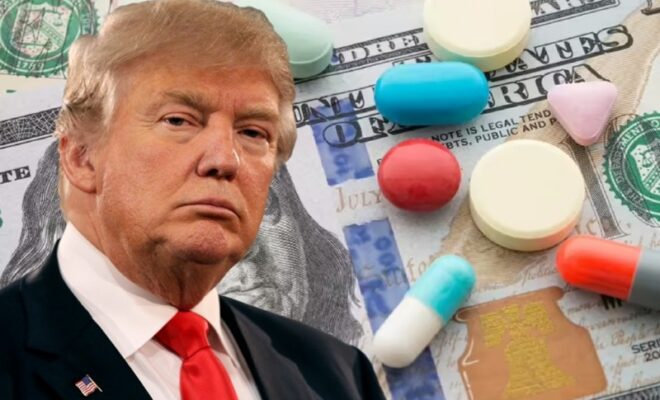
The US proposal to expand tariffs on imported generic medicines has created apprehension throughout the international pharmaceutical industry, especially India which is among the leading manufacturers of cheap generic medicines globally.
As per the latest proposals made by US president Donald Trump, imported generic medicines would remain tax free for the next two years, be taxed at 100 percent for the next one year, and then taxed at 200 percent subsequently. This strategy is being applied to motivate pharmaceutical companies to shift their manufacturing operations to the US.
For India, which depends highly on exports of pharmaceutical products to the US, the proposal can change its business dynamics and future.
What Is the New US Generic Drug Tariff Proposal?
The proposed plan entails phasing in tariffs as opposed to applying them right away.
As per the news, the imported generics will be exempted from any duties until 2028. Following this transitional phase, a 100 percent tariff is anticipated to come into play for a year, after which there will be a 200 percent tariff permanently, unless firms set up plants in the US.
As stated by the US administration, the aim is to bolster domestic drug manufacturing capability.
Why India Could Be Among the Most Affected Countries
India ranks among the top exporters of generic drugs in the world, with a large number of prescription drugs sold in the United States originating from India.
Indian drug manufacturers produce cheap versions of drugs in a wide range of therapeutic classes such as antibiotics, heart disease drugs, diabetic medication, and cancer medicine. Given this high degree of involvement with the US healthcare industry, an imposition of a larger tariff would definitely impact their exports and pricing.
Industry analysts expect that companies with a large presence in the US will have to reconsider their production plans.
How Could Indian Pharma Exports Change?
Increased import duties will raise the landed cost of Indian generic drugs coming into the US market.
There will be three major alternatives for these companies: share the increased cost, raise prices for US consumers, and move some of the manufacturing closer to the US.
There are drawbacks associated with each alternative: sharing costs will cut down their profits, while price hikes can weaken their competitiveness. Relocation of their manufacturing facilities will take a lot of money and time.
For companies that have diverse foreign markets, there is the possibility of increasing their exports to Europe, Latin America, Africa, and other parts of Asia. The replacement of the US market, however, will not be easy.
Could Drug Prices Rise in the United States?
A lot of medical professionals think that tariff on imported generics would eventually make Americans spend more money.
Generics constitute almost all of prescription medications used in America since they offer a cheaper alternative to branded drugs.
In case the cost of importing becomes too high, then eventually the cost of purchasing for physicians, hospitals, insurance companies, pharmaceutical companies, and pharmacies will increase and part of the cost would inevitably be reflected in prices to consumers. Meanwhile, the manufactures say that they cannot transfer their facilities immediately but only after many years of investments.
Will Indian Companies Shift Manufacturing to the US?
This seems to be precisely the idea behind the gradual approach.
In granting two tariff-free years, the US government is offering the pharma companies a chance to set up their own manufacturing operations in the country before duties kick in.
Some multinational pharmaceutical firms already have their plants in the United States, but others might consider forming collaborations or investing here if the policy is implemented.
But setting up plants for pharmaceuticals does take a lot of money and time.
What Does This Mean for Global Supply Chains?
The proposal will change the way drugs will be supplied through pharmaceutical companies for the next few years to come.
Pharmaceutical companies may opt to have their manufacturing done in many countries rather than concentrating it in one export destination. Companies can produce more in North America while doing research and development in other regions.
Trade analysts caution that abrupt policy changes may result in shortages until these new manufacturing systems take root.
What Should Investors and the Pharma Industry Watch?
While the notification highlights an overarching strategy, certain implementation issues are yet to come to light.
Businesses will keep an eye on the exact rules of the tariff, scope of products included, possible exemptions, as well as any discussions on trade between India and the US prior to making decisions on investments.
The following months can be very important for exporters, policymakers, and investors in the pharma sector.
Stay Updated on Global Developments
Why Did India Issue Iran Advisory?
Find out why Indian citizens have been urged to leave Iran immediately.
Why Must Indians Stay Indoors?
Learn why the MEA advised Indians in Iran to remain indoors.
Is UAE Safety Affected By Tensions?
Check out how regional tensions could impact Indians living in the UAE.
How Did The Oman Attack Unfold?
Uncover the confirmed details surrounding the Indian sailor’s tragic death.
What Happened To Frozen Assets?
Explore the latest updates on the release of frozen Iranian assets.
Conclusion
The proposed expansion of the US generic drugs tariff would arguably constitute one of the most important trade policy trends facing the international pharmaceutical industry in the recent past.
Although the staggered introduction affords time to plan, the future plan is likely to impact production policies, international supply chain management, and export markets especially for India’s competitive generic drugs.
Future trade in the international pharmaceuticals industry may not only be dictated by technological advancement, but also by the location of manufacture.