
Western Ghats Eco-Tourism Guide: Best Monsoon Getaways Near Mumbai and Bengaluru
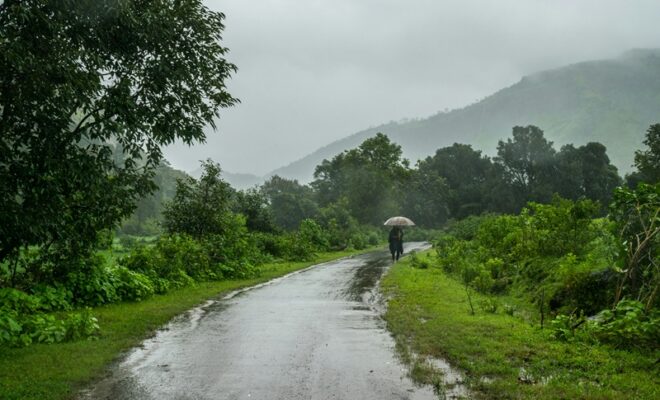
When the monsoon comes in, the Western Ghats kind of shift into one of India’s most awe-worthy eco-tourism spots. Misted hills, waterfall after waterfall spilling over, dense woodlands, and a lot of biodiversity make this UNESCO World Heritage area a go-to place for people who want a breather from city life.
If you’re heading out from Mumbai or Bengaluru, some weekend getaways feel like a quick reset, scenic views included, and tourism that tries to stay mindful. But the heavy rain also throws up issues like treacherous, slippery footpaths, landslides here and there, and sometimes complete road blockages, so travel smart and stay responsible is pretty important.
Why the Western Ghats Are Perfect During the Monsoon
Stretching across six Indian states, the Western Ghats sit among the world’s eight “hottest hotspots” of biodiversity, and honestly, they feel alive in a way that’s hard to describe. During the rainy season, the forests turn greener, seasonal waterfalls wake up, rivers swell, and wildlife gets more active, almost like everything is tuned to the same rhythm.
Eco-tourism across the region leans on seeing nature the proper way, with careful, guided treks, staying at homestays, bird-watching sessions, coffee estate visits, and slow forest walks. The idea is to support the communities nearby, while also conserving the delicate ecosystems that can be easily disrupted if people are careless.
Best Monsoon Getaways Near Mumbai
The Sahyadri ranges around Mumbai kind of give you some really good monsoon spots you can reach in just a few hours’ drive.
Lonavala and Khandala still count among the top picks for first-timers. When the rains arrive, the viewpoints sort of vanish into thick clouds, waterfalls pop up across the hillsides, and places like Tiger Point and Rajmachi look extra picturesque. On weekdays, it is usually less crowded compared to weekends, so that helps.
Malshej Ghat is also a favourite for people who want dramatic valleys, springy waterfall scenes, and misty mountain roads. Once the rainfall is steady, the whole route gets more enchanting, which makes it a solid option for photos and slow nature drives.
If you like wildlife and quiet walks, Karnala Bird Sanctuary is another good add-on. In the monsoon season it turns greener, plus bird activity goes up, so it feels rewarding for families and also for the more serious bird watchers.
Best Monsoon Getaways Near Bengaluru
People travelling from Bengaluru can reach some of Karnataka’s most stunning Western Ghats spots without much hassle.
Coorg still shows up again and again as a favourite monsoon escape, mainly because of its coffee plantations, forest paths, waterfall views, and that comfortably cool weather. When the showers arrive, the whole place turns into this vivid green backdrop, so it feels ideal for slow roaming and eco-friendly stays too .
Sakleshpur is a bit more low-key. You get railway bridges, rolling hills, trekking routes and plantation-style stays, all kind of tucked around thick forest. Over the past while, it’s been growing in popularity with travellers who want more responsible, sustainable tourism experiences.
Chikkamagaluru pulls people in with coffee estates, elevated viewpoints, and strong monsoon trekking options. Then there’s Agumbe, which many folks call the “Cherrapunji of South India, known for its rainforest surroundings and really heavy rainfall. Together, these places are great for travellers who care about biodiversity and nature photography, you know the kind where every moment looks like a postcard.
What Makes Eco-Tourism Different?
Eco-tourism is not simply about visiting natural destinations. It encourages travellers to minimise environmental impact while supporting local livelihoods.
Choosing locally owned homestays, respecting wildlife habitats, avoiding littering, reducing plastic use, and following forest regulations all contribute to sustainable travel.
Many Western Ghats destinations now actively promote guided nature walks, community tourism, plantation experiences, and conservation-focused activities instead of mass tourism.
Safety Tips for Monsoon Travel
The monsoon creates breathtaking landscapes but also increases travel risks. Heavy rainfall can lead to landslides, slippery roads, flash floods, and temporary closures of trekking routes or waterfalls. Travellers should always check local weather forecasts before leaving, avoid entering overflowing rivers, and postpone trips if authorities issue heavy-rain alerts.
It is also advisable to carry waterproof clothing, trekking shoes with good grip, insect repellent, and extra dry clothing while keeping travel plans flexible in case weather conditions change suddenly.
Responsible Tourism Helps Preserve the Western Ghats
The Western Ghats are home to thousands of endemic plant and animal species found nowhere else in the world.
Responsible tourism helps protect this fragile ecosystem by reducing waste, respecting wildlife, staying on designated trails, and supporting conservation initiatives run by local communities and forest authorities.
Small actions by visitors can play a significant role in preserving these landscapes for future generations.
Stay Updated on Global Developments
Why Must Indians Stay Indoors?
Learn why the MEA advised Indians in Iran to remain indoors.
Why Did India Issue Iran Advisory?
Find out why Indian citizens have been urged to leave Iran immediately.
How Did The Oman Attack Unfold?
Uncover the confirmed details surrounding the Indian sailor’s tragic death.
Is UAE Safety Affected By Tensions?
Check out how regional tensions could impact Indians living in the UAE.
What Happened To Frozen Assets?
Explore the latest updates on the release of frozen Iranian assets.
Conclusion
The Western Ghats offer some of India’s finest monsoon experiences, whether you’re travelling from Mumbai or Bengaluru. From mist-covered hill stations and coffee estates to rainforest trails and wildlife habitats, these destinations combine natural beauty with opportunities for sustainable travel.
Planning responsibly, following local advisories, and choosing eco-friendly experiences can help ensure that your monsoon getaway is both memorable and environmentally conscious.
The best way to experience the Western Ghats this monsoon is to travel slowly, respect nature, and leave every destination as pristine as you found it.