
US Tariffs & Indian Quartz Import Dispute Escalates as India Seeks WTO Consultation
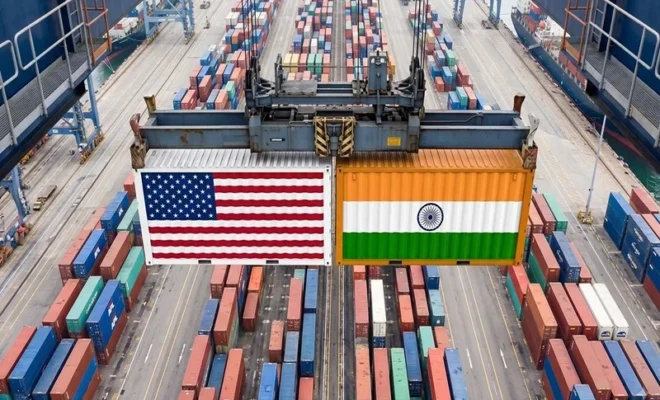
In addition to the ongoing trade disputes, India has escalated the issue into the quartz sector. In particular, the country seeks consultations under the auspices of the World Trade Organization concerning the introduction of new restrictions by the United States regarding imports of surface product quartz. The reason for the consultations was the introduction of a new tariff rate quota by the US concerning these items, which started operating on August 15, 2026.
It should be noted that the issue is especially important since the US is one of the markets for India’s engineered quartz sector.
In general, it should be recognized that the decision of India to address the World Trade Organization means the start of the consultation procedure. At the same time, this does not necessarily mean that the dispute in question has already been escalated to the litigation level.
What Triggered the US-India Quartz Dispute?
The most pressing problem is the imposition by the United States of a tariff-rate quota or TRQ on quartz surface products. Quartz surface products are man-made stones that use quartz, quartz powder, glass powder, and a resin binder as raw materials. Quartz surface products are commonly used in various building projects including countertops and kitchen surfaces.
In a previous determination of the US International Trade Commission, there was evidence that the increased imports of quartz surface products caused injury to the US domestic industry. It suggested a remedy in the form of a four-year tariff-rate quota, wherein the 25% tariff will be levied on the imports under the quota while the import over the quota would have a 40% tariff.
Why Is India Taking the Dispute to the WTO?
This is a response to the worry that the restriction from America could limit the access of Indian quartz exporters in the American market, hence posing an added burden on their exports to the American market.
In seeking consultations from the World Trade Organization, India has formally requested the United States to discuss the restriction in the context of multilateral trade. The consultations mark the first step in the dispute settlement procedure at the WTO and give both parties the chance to address their differences without escalating the dispute any further.
This is another instance where India uses the international trade mechanism to protect its interests.
What Is a Tariff-Rate Quota?
TRQs are not the same as levying a single tariff on all imported products.
A TRQ regime involves levying one tariff rate on imports up to a certain quantity level while a higher tariff is charged on any quantity exceeding this limit.
As per the recommended structure of the USITC, the first-year quota level was fixed at 140 million square feet along with a tariff of 25 percent for in-quota and 40 percent for out-of-quota products. Recommended tariffs were to fall gradually in four years.
The burden of this new challenge lies with exporters since the cost of access to the US market may vary a lot after reaching the total quota.
Why Is Quartz Important to Indian Exporters?
It has turned out that the quartz industry became one of the leading sectors of exports of India owing to its presence in the US market. According to the latest publications, Indian quartz surface materials are among the major items exported to the US. It means that any shift in the US policy on trade will influence the situation immediately.
The issue of the increased duty rate in India is not limited to the percentage of duty itself for Indian producers. The increase in tariff rate will influence the whole business model, including margin of production, price policies, and competition with other suppliers.
Indian companies will have to decide how to deal with the extra cost.
Why the US Imposed the Measure
The US stance arises out of its worries regarding the effects of increased imports on the domestic quartz surfaces manufacturers in America.
According to the findings from the investigation carried out by USITC, quartz surface articles were found to be imported in such quantities which constituted a substantial cause of serious injury to the domestic US industry. The commission recommended tariff-rate quota as a solution in order to allow domestic producers to adapt to the import competition.
As far as Washington is concerned, the policy is linked to domestic production and not to India alone.
This has been a very serious concern for India due to the high level of exposure of Indian exporters to the US markets.
What Happens After India’s WTO Request?
The first immediate course of action to be taken is to have consultations between India and the United States.
The aim is to ensure that both governments are given the opportunity to talk about the issue, present their stands, and try to find an agreeable solution. In case the consultations do not work, India may opt to proceed with the issue at the WTO dispute settlement mechanism.
This implies that the current development can be seen as the initial stage of a longer trade dispute.
What Does This Mean for Indian Quartz Companies?
Uncertainty may be one of the main factors of worry for Indian exporters and producers.
Those who operate mainly in the United States may need to revise prices, volumes, and their agreements with customers as long as the trade dispute continues. Some exporters may also consider diversifying their activities in other international markets in order not to rely too much on the United States.
Furthermore, the results of the WTO consultations will define whether the existing tariff system is going to stay the same, be changed, or discussed further.
This dispute may have an impact on more than just the cost of the quartz slab. It can affect how Indian manufacturers will deal with international market diversification.
Could This Affect India-US Trade Relations?
The quartz row comes at a time when India-US trade is already having problems in terms of tariff and market access conflicts.
This makes the case even more important. Although quartz is just one commodity, industry-specific disputes can always be incorporated into wider negotiations about tariff and market access issues.
For India, pursuing WTO consultations means that the government has the avenue of challenging the decision using an existing international framework without closing any negotiations.
For the US, the challenge serves as an avenue to defend its domestic industry protection policies while negotiating with one of its largest trade partners.
What’s shaping India’s trade, climate and supply-chain future?
Are India’s US exports truly strong?
Check out the deeper trade concerns analysts see behind India’s robust US export numbers.
Can India unlock US export growth?
Find out how ongoing trade talks could open new doors for Indian exporters.
Will India seal a tariff deal?
Uncover how India is navigating US tariffs while targeting a deal by autumn.
Could Arctic routes transform Indian trade?
Explore India’s plans for its first Arctic freight voyage and supply-chain diversification.
Is India losing sight of forests?
Dive into the CAG’s audit and concerns surrounding the Green India Mission.
What Effect on US Purchasers?
It is not only Indian exporters who can be affected by this problem.
The US importers, wholesalers, contractors, and consumers may also get affected if the increased tariffs affect the landed cost of the quartz surface products. The increased tariffs may get passed down the chain by the importers, which may have an effect on the construction and renovation projects.
However, the final effect depends on many factors like availability of quota, supplier prices, currency movements, inventories, and how much of the costs gets absorbed by the business firms.
Why This Dispute Matters Now
This WTO step by India transforms the US trade policy decision into a bilateral trade matter.
Since the Indian exporters’ product in question relies highly on the American market, and the Americans want to safeguard their local manufacturers from import competition that they see as injuring their businesses, the next step will be followed by close monitoring from the exporters, manufacturers, and trade policy observers in both sides.
Conclusion
The quartz dispute between India and the US has entered the international trade process officially. The US government has imposed the tariff-rate quota on quartz surface products while India wants to hold consultations at the World Trade Organization regarding the tariff issue.
Indian exporters have much to lose because the US continues to be one of the main markets of quartz surface products while the tariffs are a way to compensate the damage to local manufacturers.
The immediate attention will now go to the WTO consultation process whether India and the US would be able to resolve the problem outside of the legal process.
India’s WTO move means that US quartz tariffs have become one of the most recent disputes in the overall India-US trade relations.