
Trump’s New Visa Plans Explained: What They Mean for Indian Students, H-1B Workers and Green Card Applicants
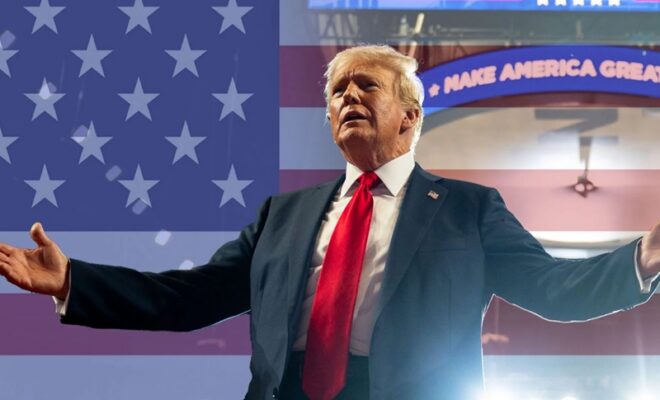
The Trump administration has announced a new strategy for migration policies that might have far-reaching consequences for international students, professional workers, and immigrant workers, especially Indians who constitute a major part of H-1B visa holders and international students in the US.
These reforms are meant to be an effort to monitor work visas, scrutinize student visa programs, reform the green card process, and combat visa fraud. Some of these policies are still under consideration and have not been implemented yet, but their effects are already visible.
Why Is the Trump Administration Changing Visa Rules?
As per the administration, the goal is to stop the abuse of legal channels for immigration and also put American workers first while issuing the employment-based visas only for highly skilled positions.
It was said by the officials that the amendments are aimed at improving the wages and also make sure that the employers are accountable and also not misusing the temporary worker visa programs. The administration also launched an initiative to fight against the visa frauds.
What Could Change for Indian Students?
The Indian students might come under more scrutiny while going through the student visa process.
Some reports reveal that the administration is contemplating tougher background investigations, tighter supervision of Optional Practical Training (OPT) and more compliance rules for universities sponsoring international students. Given that a large number of Indians graduate students depend upon OPT as a pathway to H-1B employment, any cutback on employment opportunities after completing their studies will have a serious bearing on career planning.
Longer processing time and higher documentation requirement might result from implementing such rules.
What Does It Mean for H-1B Workers?
These proposed changes might make it difficult for Indian professionals to obtain and retain an H-1B visa when they work in the United States.
According to various reports, the US government is going to set higher requirements for eligibility, wages, and employer compliance. The purpose of these changes is to force employers to hire through the H-1B program only those who have high skills and are not going to hire someone to save on labour costs.
There is no information about the automatic invalidation of H-1B visas that were issued according to the previous rules.
How Could Green Card Applicants Be Affected?
Changes in procedure may also affect Employment-Based Green Card applicants.
It has been reported that the administration is contemplating imposing higher labor certification standards, additional paperwork, and other procedures that might complicate adjustment of status application for some people. Certain proposed changes might necessitate that some applicants get processed for their green card applications partially abroad rather than in the U.S.
In the case of Indian nationals, who already have long processing times due to the backlog of country-specific Green Cards, any extra procedure could result in even more delays.
What About H-4 Visa Holders?
This immigration policy framework might also have an impact on the H-4 dependent visa category since many of them are Indians.
Some reports claim that the government plans to change the policy regarding Employment Authorization Documents (EADs). They want to remove any automatic extension of the work permit during the period when the renewal application process is still pending.
Are These Rules Already in Effect?
Not quite yet. The majority of proposals currently under discussion are included within the regulatory agenda of the administration and must go through rulemaking in order to become law.
This means that students, employees, and employers alike should not expect immediate change until the rules are finalized.
Why Indians Could Be the Most Affected
India continues to be the largest supplier of H-1B workers, as well as being among the largest suppliers of students who enrol in U.S. institutions.
Due to this fact, any changes to the existing regulations for H-1B workers, OPT programs, Green Cards, or H-4 employment will have a disproportionate effect on Indians, as opposed to most other nationalities.
Tech firms, universities, and multinationals are watching the developments closely.
What Should Students and Professionals Do Now?
Immigration experts generally advise applicants not to panic, as the proposals are still moving through the regulatory process.
Students should continue following official visa guidance issued by their universities and U.S. authorities, while H-1B workers and Green Card applicants should monitor updates from their employers and immigration counsel before making major decisions. Acting solely on rumours or unofficial reports could create unnecessary complications.
Stay Ahead With Today’s Biggest Stories
Why Restrict Rental Thar SUVs?
Discover why Goa is considering restrictions on rental Thar SUVs and the safety concerns behind the move.
Passed the FMGE June 2026 Exam?
Check the FMGE June 2026 result, pass percentage, scorecard details, and direct download link.
How Will Semicon 2.0 Help?
Explore how India’s Semicon 2.0 incentive plan could strengthen chip manufacturing and boost investments.
Why Is Jalalabad Being Renamed?
Explore why Uttar Pradesh’s decision to rename Jalalabad after Lord Parashuram is sparking debate.
What Caused Devkund Flash Flood?
Read what happened during the Devkund Waterfall flash flood and why tourists were left stranded.
Conclusion
The immigration reform that the Trump administration has introduced is one of the major policy changes with respect to U.S. legal immigration in recent times. Even though most of the measures have not been put into effect as of now, they are indicative of an increased regulation of student visas, H-1B jobs, and Green Cards based on employment.
For Indian students, workers, and Green Card applicants, keeping themselves abreast of the developments in this regard is crucial.
The new regulations don’t have any immediate bearing on any visa holder’s status in the U.S., but might influence their plans for the future here.