
Semicon 2.0 Explained: How India’s New Chip Incentive Plan Could Boost Manufacturing
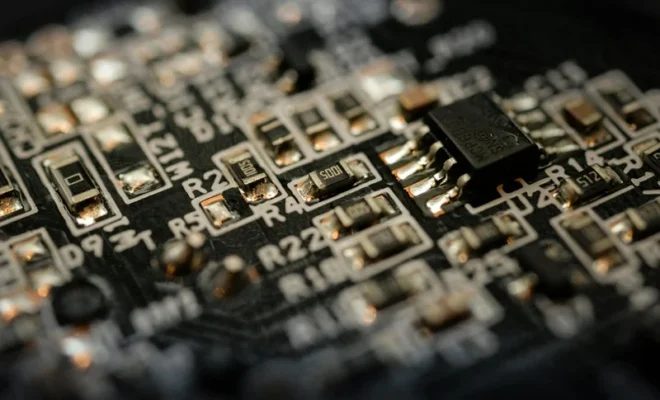
It looks like India is gearing up to give its semiconductor vision another upgrade via its proposed Semicon 2.0, which is essentially the second phase of its semiconductor mission. It is hoped that the program will extend the benefits to more than just the manufacturing of chips but will be extended to other parts of the semiconductor value chain.
This is coming at a time when countries are scrambling to ensure that their semiconductor supply chains remain intact, given their crucial role in sectors such as smartphones, electric cars, AI, defense, and healthcare.
What Is Semicon 2.0?
“The second phase of the Indian Semiconductor Strategy is being planned under the name Semicon 2.0, based on the success of the India Semiconductor Mission which started back in 2021.”
The first phase concentrated mainly on making investments in fabs, display fabrication, ATMP, and design of chips through fiscal incentives. Through this mission, the government provided fiscal incentives worth up to 50 percent of the cost of projects undertaken by interested firms.
The second phase is expected to expand its reach further by helping develop a complete semiconductor ecosystem and not just factories.
Why Does India Need Semicon 2.0?
Semiconductors form the foundation of current technological advancements. Smartphones, laptops, electric cars, telecommunications networks, medical devices, and AI servers all need microchips.
Despite being one of the biggest consumers of electronics in the world, India relies significantly on imported chips for domestic production processes. The reliance on foreign chips was felt even more strongly during the semiconductor shortage experienced globally.
Semicon 2.0 seeks to cut this reliance by promoting domestic production of semiconductors as well as increasing India’s participation in the global semiconductor ecosystem.
How Is Semicon 2.0 Different From the First Phase?
Whereas the first stage had been focused on developing basic manufacturing capabilities, it is believed that Semicon 2.0 will be concerned with setting up an entire semiconductor ecosystem.
Sources say that the government is planning to offer incentives not just for fabs but also for semiconductor equipment, specialty chemicals, raw material providers, semiconductor design houses, R&D centers, and packaging technologies.
Such an approach may prove useful for reducing India’s dependency on imports of components.
What Could Manufacturers Gain?
Semicon 2.0 would be extremely beneficial to companies since it can greatly reduce their investment costs for building semiconductor plants.
Government support could prove instrumental in attracting not only domestic but also foreign companies interested in setting up fabrication plants, packaging plants, and semiconductor design centers.
Moreover, it is also anticipated that the proposed program would encourage cooperation among industries, universities, and research organizations.
How Could It Benefit the Indian Economy?
There is more room for semiconductor ecosystems to bring about additional benefits aside from semiconductor chip making.
Semiconductor projects usually provide thousands of jobs directly associated with engineering, manufacturing, quality control, and research activities. There are also additional jobs created indirectly through logistics services, construction, maintenance, equipment manufacturing, and other related industries.
Along with the rise in semiconductor production, there will be more electronics exports and foreign investments coming into India.
What Does This Mean for Consumers?
Though consumers might not feel it right away, Semicon 2.0 can eventually result in a more balanced electronics market.
Local chip manufacturing can help decrease reliance on imports, thus ensuring that there is less disruption of supply when it comes to smartphones, laptops, cars, consumer electronics, and even industrial machinery.
In the future, this can lead to technological innovations and attract more global players from the tech sector into the Indian market.
What Is the Government Planning Next?
As per the latest news reports, the government is now working on Semicon 2.0 and plans to expand the scope of incentives substantially. The proposal of about ₹1.25 lakh crore has been reportedly approved by a ministry of finance panel, with Cabinet approval being the next big step to be taken.
The enhanced mission would focus on indigenous chip design, advanced packaging, semiconductor equipment manufacturing, materials, R&D infrastructure, and talent development.
Challenges Ahead
Although India has achieved good traction towards its semiconductor dreams, there are a few hurdles that the nation needs to clear.
The production process involves heavy capital expenditure, electricity and water availability, expert engineers, modern machinery, and policy stability.
It will be an equally fierce contest, as countries like the USA, Japan, South Korea, and EU nations invest billions of dollars in their semiconductor industries.
In order for Semicon 2.0 to succeed, not only financial incentive but also the development of the above-mentioned aspects will be crucial.
More OTT Picks to Watch
Where Can You Stream Hangman?
Check out the mystery thriller’s OTT details.
When Is Project Hail Mary?
Find the latest streaming and cast updates.
Is Raid 2 Streaming Today?
See where to watch the blockbuster now.
What’s New In Enola Holmes?
Uncover the cast and release details.
Which OTT Releases Are Trending?
Browse this week’s top South Indian picks.
Conclusion
Semicon 2.0 is India’s next big leap towards establishing itself as a semiconductor manufacturing center for the world. By providing more incentives and support to the entire semiconductor ecosystem, the country hopes to increase its local manufacturing capability, decrease reliance on imports, and become a key part of the international tech value chain.
Semicon 2.0 is not just about chip production; it is about creating a full semiconductor ecosystem that can drive India’s electronics industry, AI, automotive, and digital economy for decades to come.