
Maharashtra FDA Suspends Food Safety Licences of Blinkit, Zepto & Instamart Dark Stores After Surprise Audits
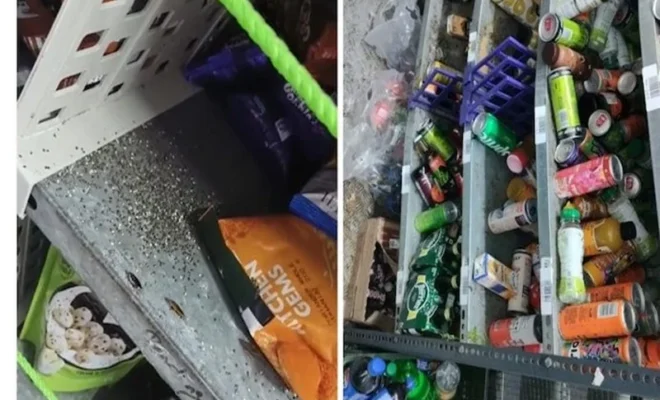
Following surprise inspections that found major hygiene and food storage violations, the food safety body in the state of Maharashtra has tightened the noose on dark stores operating within the ambit of quick commerce. The FDA in Maharashtra has suspended licenses of 14 food businesses related to quick commerce operations. This includes businesses related to companies like Blinkit, Zepto, and Swiggy Instamart.
The new development highlights an aspect of the delivery model which consumers don’t get to witness. While food items and grocery items reach consumers in minutes, the storage and warehousing of the food takes place in neighbourhood dark stores.
What Did the Maharashtra FDA Find?
Some of the issues discovered during the inspections include problems with food safety and sanitation. These include infestation by pests such as rodents, poor storage of food, and expiration of some of the food products.
These discoveries are especially important because dark stores deal with items that end up in the possession of consumers. Inefficiencies in storage, pest control, temperature control, and stock rotation can affect food quality even before it reaches the customer.
This decision was made after the FDA conducted inspections in dozens of establishments within the state. These inspections involved 86 establishments, 60 of which received improvement notices, while several warehouses had their permits suspended due to hygienic issues.
Why Are Blinkit, Zepto and Instamart Under the Scanner?
There is no doubt that quick commerce firms have revolutionized the manner in which the Indians buy grocery and packaged foods. It does not mean visiting the supermarket anymore since you can simply use the app and get your milk, veggies, packaged foods, and frozen products in a few minutes.
But for that quick delivery service, there is a network of dark stores located close to residential areas that have to hold lots of inventory and process hundreds or even thousands of orders at the same time.
The problem is that speed is no excuse for the lack of compliance regarding food safety because food products should be properly stored, outdated food items should be taken out, perishables should be kept at the right temperature, and there should be no risks of infestations and contamination.
The recent move by the Maharashtra FDA illustrates the problem.
What Does a Suspended Food Licence Mean?
A licence suspension is an administrative measure imposed on a particular establishment dealing with food items. This doesn’t imply that all Blinkit, Zepto or Instamart establishments in the state of Maharashtra have been suspended from operations.
The suspension is imposed on the facilities where violations sufficient to suspend licenses were found. Other facilities will operate if they comply with all food safety regulations.
It is important to know for the consumers that the new development should not be understood as each order made via these facilities is unsafe. On the contrary, this means that individual facilities handling and storing food products can be suspended.
Why Dark Store Hygiene Matters
However, most of the goods contained in dark stores are food products. Thus, the storage system used in the dark store will affect consumer health.
An appropriately managed and sanitized warehouse should have proper pest control mechanisms, hygienic storage racks, correct temperature conditions, and effective stock rotation. Items that are about to expire should also be determined and segregated, as per the regulations.
In past instances of regulating quick-commerce facilities, similar issues were found. According to information from the FSSAI previous Maharashtra inspections revealed foods being kept on the floor, dusty racks, lack of adequate documents on pest control, improper cold storage, and expired goods mixed with other products.
It is therefore evident that the current raids are just part of a much larger effort to regulate such premises.
What Does This Mean for Customers?
From the point of view of consumers, the most important thing that emerges from the whole scenario is that the convenience of obtaining groceries within a few minutes cannot compromise their safety.
While ordering food products on the platform, customers need to ensure that products in packages that are damaged or have some odd smell or signs of tampering or expired packaging should be avoided. The perishable products should also be kept in mind for freshness and proper storage when delivered.
Consumers should avoid consuming such foods if they find the food products dangerous or have passed their expiry date. They should raise a complaint via the customer support facility of the platform.
Why This Is a Bigger Issue for Quick Commerce
This move from the Maharashtra FDA arrives against the backdrop of speedy commerce being one of the key features in India’s retail environment. The likes of Blinkit, Zepto and Instamart have been built on the principles of speed, convenience and proximity.
However, as these companies scale up their food and grocery businesses, the regulatory pressures are mounting as well.
Indeed, there has been an industry response to such pressures with increased levels of internal audits and hygiene controls. As the Economic Times noted before, there have been instances where quick commerce players have increased leadership inspections in dark stores out of hygiene and storage concerns.
What Happens Next?
The facilities will most probably be under the scrutiny of the regulators until all the problems are sorted out, and the regulators decide if operations can resume in compliance with the necessary food-safety regulations.
In terms of the quick commerce industry, the case may prompt more frequent inspections and better internal compliance mechanisms.
More generally, it raises the question of whether it will be possible to keep up the rapid pace while maintaining the necessary food-safety controls at the numerous decentralized facilities.
Why the Crackdown Matters
With the Maharashtra FDA’s latest move, one thing is clear: Quick delivery does not entail loose food safety regulations.
While the consumers might just be getting an app, a delivery partner and a package, what happens between these three entities is much more complex than it seems, including storage, handling, inventory and transportation.
Through its inspections, the regulator has shed light on that process.
Related Articles Recommendation
1. What’s Behind Swiggy-Zomato Probe?
Check out the competition watchdog’s investigation into major food delivery platforms.
2. What Food Safety Issues Hit Instamart?
Find the latest FSSAI notices and what they mean for consumers.
3. Can India’s Food Economy Triple?
Uncover the growth outlook for India’s food manufacturing sector by 2033.
4. Which Food Apps Lead Hyderabad?
Browse the top food delivery apps popular among Hyderabad consumers.
5. Why Did Zomato Drop Takeaway Fees?
See how Zomato’s takeaway commission change could benefit partner restaurants.
Conclusion
Suspension of licenses for 14 food businesses engaged in quick-commerce activity can be considered a landmark development for India’s rapidly growing delivery economy. Following inspections by Maharashtra FDA, food safety lapses were found in several facilities.
From the consumer perspective, this is a lesson to inspect deliveries before making assumptions about their quality due to the speed with which the products were delivered. From the side of Blinkit, Zepto, Instamart and the entire industry, this is another reminder that the infrastructure of the quick-delivery model should comply with food-safety requirements of the industry.
The recent FDA crackdown is not an effort to slow down the development of quick commerce; on the contrary, it aims to ensure that “delivered in minutes” will not translate into “stored in minutes.”