
Ladakh Named India’s First 100% Organic Union Territory: 4 Food Hubs to Experience Local Cuisine
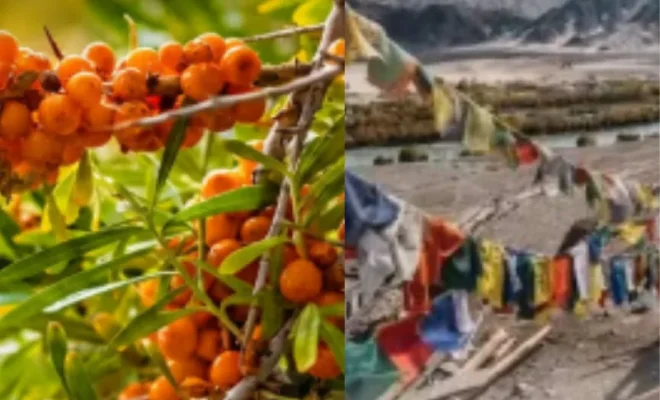
Ladakh’s declaration as India’s first 100% organic Union Territory on October 25, 2026, marks an important moment for sustainable agriculture and regional food culture. Lieutenant Governor Vinai Kumar Saxena announced the achievement, recognising years of efforts to promote chemical-free farming across the Himalayan region. However, the real significance of this milestone goes beyond agricultural certification. It presents an opportunity to connect Ladakh’s traditional cuisine, local farmers and tourism economy through a stronger farm-to-table movement.
For a region known for its fragile ecosystem, limited growing seasons and difficult terrain, organic farming is not simply a lifestyle choice. It can become an important part of economic resilience. The challenge now is to ensure that the recognition creates lasting benefits for farming communities rather than remaining a symbolic achievement.
Organic Farming Must Translate into Better Farmer Incomes
The agricultural culture of Ladakh is based on crops which can survive in cold and arid climatic conditions. Barley, buckwheat, apricots, peas and other vegetables grown locally contribute towards the food culture of this place.
It is declared by the administration that the use and sale of chemical and synthetic fertilizers will be forbidden in the Union Territory in July 2026. This ban will help conserve soil and water resources besides promoting organic agriculture. Before the announcement, 207 revenue villages have already been certified as organic villages.
Nevertheless, such a declaration alone may not suffice for making the shift towards organic farming. Certification of farmers individually, organic inputs, training, post-harvest facility and market are some of the areas which will decide whether cultivators benefit from it or not.
It is here that food tourism can play a role. The restaurants, homestays and other culinary establishments may create a demand for the local crops.
Four Food Hubs Showcasing Ladakh’s Culinary Identity
The culinary tradition of Ladakh has been shaped by hundreds of years of cultural interaction amongst the Himalayan, Tibetan, Central Asian and Balti cultures. The four places mentioned above provide distinct opportunities to explore this tradition.
1. Alchi Kitchen, Alchi
Alchi Kitchen is located at Alchi Village, which promotes Ladakhi cuisine using recipes that have been cooked by the womenfolk of Alchi. This restaurant offers items from its menu including khambir, a heavy traditional bread, skyu, a delicious soup made with home-made dumplings and vegetables, and mok mok, a dumpling dish.
This restaurant shows that how the local cuisine can be used to encourage community participation in tourism.
2. The Jade House, Leh
The Jade House gives a glimpse into the ingredients of Ladakh through its artisanal dining. Apricot and barley are very common ingredients used in Ladakhi cuisine, and the kitchen has used their diverse nature in preparing the meals.
Guests who wish to learn more about the local cuisine should ask about its Artisanal Alchemy breakfast experience.
3. The Balti Farm, Turtuk
The cuisine that Turtuk presents is unique to its region and culture. The Balti Farm uses the farm-to-table approach and presents dishes like ba-leh, which are the barley noodles prepared in a broth, and kisir, the buckwheat pancakes accompanied by yoghurt preparations.
The food experience of Balti Farm brings out the essence of the region’s agriculture and culture through the use of locally sourced ingredients and heirloom recipes.
4. Tsas by Dholkar, Leh
Tsas is an establishment whose name comes from the word used in Ladakhi for kitchen gardens. This restaurant, which is located in Dolkhar, offers dishes prepared using only vegetables and locally sourced produce.
The menu at Tsas showcases the use of regional ingredients in modern dishes like ramen flavored with Himalayan herbs, hand-made pasta with local cheese, and traditional noodle soups.
Organic Recognition Should Protect More Than Produce
This organic landmark provides an opening for Ladakh to cement its brand as a sustainable source of food. But this should be done without causing further strain on the available water sources or landscapes and local food supplies.
Local restaurants and hotels need to focus on local sourcing and seasonal menus and collaborations with local farmers. Tourists, on the other hand, can help the local economy grow through their choice of local food.
There is also need for improved certification, storage facilities, transportation and marketing. Organic products should reach consumers at prices that will pay off farmers’ efforts.
The Road Ahead: From Organic Status to a Strong Food Economy
Ladakh’s declaration is a good beginning but certainly not an end to its agricultural revolution, which will depend on the extent to which organic farming brings improvement to the life of people while preserving the natural environment and food tradition.
These four food destinations reveal the potential of food for integrating agriculture and cultural tourism. In case the local community continues to play a significant role in this process, Ladakh may create a sustainable food economy based on its environment and food culture.
In general, Ladakh’s future in the field of organic production has to be judged on the basis of both the output and the responsibility for its production.
Space Innovation, Climate, AI & National Developments
How Does ISRO Plan to Remove Orbital Trash by 2030?
Explore the Swachh Space Initiative, understand the growing threat of space debris, and discover ISRO’s roadmap for cleaner and safer space operations.
Will El Niño or La Niña Shape Global Weather in 2027?
Discover the latest climate predictions, understand the differences between El Niño and La Niña, and explore their potential impact on weather patterns.
How Are Next-Gen AI Assistants Generating Audio From Dreams?
Explore the new dream-based audio generation features, understand how AI interprets creative inputs, and discover what this technology could mean for future digital experiences.
How Has Rajasthan’s Doorstep Veterinary Scheme Reached 6.8 Million Livestock?
Discover how the veterinary initiative delivers animal healthcare services to rural communities and supports livestock owners across Rajasthan.
Could Extending Agnipath Change India’s Defence Strategy?
Explore the debate around extending the Agnipath scheme, including its potential impact on military modernisation, recruitment, and broader defence policy.