
Japan Earthquake and Tsunami Warning: What Happened and What It Means
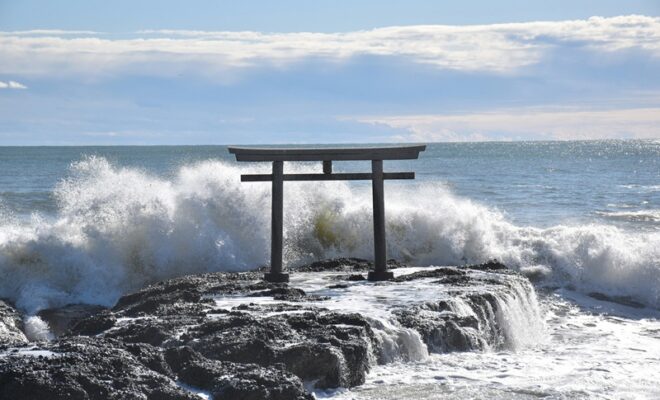
An earthquake shook the Kyushu region of southern Japan yesterday, leading officials to declare a tsunami warning in the area, which was subsequently withdrawn since there were no major tsunami waves witnessed in the area. The earthquake has caused major disruptions ranging from casualties, power blackouts, suspension of transportation, and destruction of infrastructure.
Japan’s vulnerability to earthquakes and the need for its robust disaster-preparedness mechanisms have been reiterated once more due to the event.
What Happened?
The earthquake occurred off the coast of Kyushu Island, near the prefecture of Kumamoto. The Japanese Meteorological Agency originally reported the earthquake at a magnitude of 7.1 before the U.S. Geological Survey downgraded it. It is believed that the shallow location of the earthquake led to its intensity being so high.
It affected many cities in the region, causing the collapse of buildings and disrupting transportation services.
Why Was a Tsunami Warning Issued?
When there is a large earthquake either offshore or shallow, it displaces seawater rapidly and triggers tsunami waves. In light of this, the Japanese authorities issued a tsunami warning immediately following the earthquake to ask people residing along dangerous coastlines to stay away from the beaches.
Fortunately, there were no indications of any tsunami waves, and therefore, the warning was withdrawn when the officials found out that there were no dangerous threats along the coastline.
What Damage Has Been Incurred?
As a result of the earthquake, many damages have been incurred in Kumamoto and its neighboring areas. The buildings have suffered structural damage, and electricity has been cut off in many houses. There have been suspensions in bullet trains and flight services.
Are Nuclear Facilities Safe?
The focus is always on any nuclear plant in the vicinity following a major earthquake in Japan.
No abnormalities or leakages of radioactive materials were reported from any nuclear power plants in the vicinity. This is in line with the safety procedures that are followed in case of an earthquake in Japan.
Why Is Japan So Prone to Earthquakes?
Japan lies in the Pacific Ring of Fire, which is one of the world’s most earthquake-prone areas. Japan lies on the intersection of different tectonic plates that cause numerous earthquakes and volcanic eruptions.
There are thousands of earthquakes every year both in Japan and near it. Although most of them are harmless, the strong earthquakes may cause serious destruction and become the source of tsunami alerts.
What Should Residents and Travellers Do?
The government in Japan is still recommending that people in the area stay on their toes since there could be some significant aftershocks in the days following the main shock.
Residents should heed the official guidelines and stay away from any damaged buildings. Passengers need to contact the airlines and railways for any information on travel as transport could still be affected after this earthquake.
What Does This Mean for the Coming Days?
Despite the fact that the tsunami advisory has been lifted, the effects of the earthquake are still ongoing.
Engineers are conducting structural inspections, rescue operations are ongoing in the affected areas, and the aftershocks are being carefully observed. The transportation and other services are slowly returning to normal; however, the residents have been warned not to become complacent.
Keep Reading: Stories That Matter Most to You
1. NATO’s Ankara Summit: Warning Signals India Cannot Afford to Ignore
Explore how the NATO Ankara Summit could reshape India’s strategic and security priorities
2. EPFO VISHWAS 2026 Scheme Explained: One-Time Settlement for Pending PF Dues
Discover who qualifies for the EPFO VISHWAS 2026 Scheme and how pending PF dues can be settle
3. Kashmir Valley Tourism Rebounds: Gulmarg and Pahalgam Witness Record Summer Footfall
Check why Gulmarg and Pahalgam are attracting record numbers of summer visitors this year.
4. Beyond Dharmendra Pradhan’s Resignation: India’s Deeper Youth Unemployment Crisis
Explore the deeper causes behind India’s growing youth unemployment beyond the latest political developments.
5. Income Tax Return (ITR) Filing Deadline 2026: Key Changes in the New Tax Regime You Must Know
Discover the latest ITR filing deadline and important tax regime changes every taxpayer should know.
Conclusion
The Japan earthquake and tsunami warning is yet another example of the dangers faced by the country and the efficient work of its emergency response system.
Despite the fact that there was no major tsunami danger anymore, the process of recovery is ongoing as the damage assessment and other measures are conducted.
Japan managed to avoid a tsunami; however, the strong earthquake resulted in injuries, damages and aftershocks.