
Indians Eat Double the WHO Salt Limit: Why Low-Sodium Alternatives Need a Public Health Push
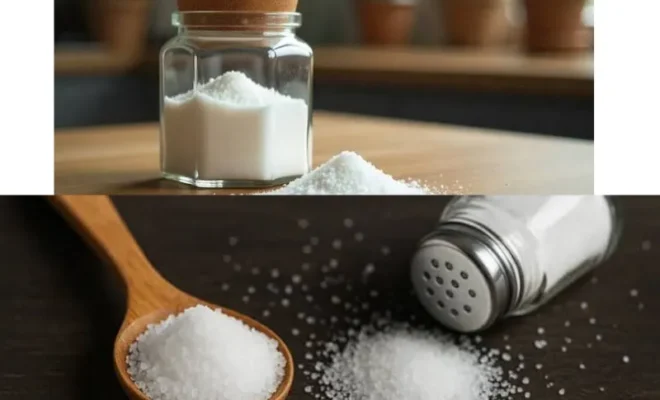
Salt occupies an important place in Indian cuisine. The use of salt is essential for preparing pickles, papads, namkeens, curries, and even other common dishes in countless Indian kitchens. Nevertheless, that which makes food delicious may pose a threat to public health if taken in excessive quantities. Average daily salt intake per person in India is believed to be about 11 grams, while the WHO recommends the daily intake of less than 5 grams.
The problem is not confined to individuals’ eating habits. It concerns issues of food production, public knowledge, the health care system, and availability of alternative products. The reduction of salt intake should be a collective matter of public health concern.
India’s High Salt Consumption Is a Growing Health Concern
As per the guidelines by WHO, adults should not exceed the limit of consuming 2,000 milligrams of sodium in a day, which is roughly equal to five grams of salt. Nonetheless, research in India suggests consumption beyond the recommended amount.
According to the National NCD Monitoring Survey, average daily salt consumption by Indian adults stood at about eight grams per day with higher consumption rates in men than women. Moreover, lack of knowledge was noted as the study revealed only about a third of the adults were aware of the dangers of high salt intake.
A systematic review and meta-analysis of 83 articles in the year 2026 suggested that average pooled salt consumption was about nine grams per day. Although the estimates are region specific, it remains true that people are exceeding the recommended amounts.
Such high sodium intake results in high blood pressure, which further causes several cardiovascular disorders and renal problems. Hypertension may go undiagnosed due to lack of symptoms.
Why Indian Food Habits Make Sodium Reduction Difficult
Contrary to diets where most of the sodium is acquired from processed foods, there are various ways of getting sodium in India. Apart from the salt used during preparation of food, other food items like pickles, papads, chutney, instant noodles, processed snacks, sauces and restaurant food provide more sources of sodium.
Traditional foods have their way of adding sodium too. Methods of preserving food using salt and common food accompaniments may lead to higher intake unknowingly.
Therefore, telling people to take the salt shaker away from the dining table will not be enough. People require alternative solutions that retain the taste yet reduce sodium intake.
Low-Sodium Salt Alternatives Deserve Greater Attention
The use of low-sodium salt substitutes presents an option to reduce sodium intake without disrupting the process of daily cooking. Such salt substitutes mostly replace sodium chloride with potassium chloride, and thus reduce the intake of sodium while still retaining the salty flavor.
According to the 2025 recommendation by WHO, the adult individuals who opt to use salt in their diets should replace regular salt with potassium containing salt alternatives. However, this recommendation is conditional and is not meant to be a blanket directive. Individuals with impaired kidney function or those whose bodies cannot dispose of excess potassium should not use such alternatives without a doctor’s prescription. Neither does this recommendation apply to children or pregnant women.
India needs to find options to reduce costs and increase accessibility of these salt substitutes. This can be done using public hospitals, nutrition programs and community health programs.
Food Industry and Government Must Share Responsibility
An effective approach to sodium reduction should not be based only on consumer behavior. Food manufacturing companies, restaurants, catering services, and institutional kitchens will need to get involved.
For instance, FSSAI‘s Eat Right India initiative has led to increased awareness about health and the launch of campaigns like “Aaj Se Thoda Kam”.
Nonetheless, more effective implementation is needed. Information and sodium labeling on the front of packaging, reformulation of packaged foods, and setting of lower sodium requirements for institutional foods would assist consumers in making informed decisions.
Programs provided by the government like school feeding and nutrition initiatives in relation to public distribution systems may promote better preparation of food.
Public Awareness Must Reach Indian Kitchens
Campaigns aimed at reducing salt consumption need to go beyond sporadic advertisements and incorporate regular health education. The efforts of ASHA workers, Anganwadi centers, schools, and PHCs could help educate people on the effects of excess sodium on their blood pressure and what they can do about it.
Suggested steps would be to reduce salt slowly, avoid packaged foods, read nutrition facts, use herbs and spices instead of excess salt.
What needs to be kept in mind here is that iodized salt will have to continue being a part of the Indian nutritional policy.
Making Lower-Sodium Choices a National Priority
India can neither treat high blood pressure nor the risk of heart disease only through medicines.
Healthy practices have to start with what we eat and the food environment in which food is produced.
Affordable food items without too much sodium content, sensible food production, availability of nutritional information, and public awareness in general could help reduce the overconsumption of sodium.
The task is not about eliminating salt from the Indian cuisine but to make its consumption safe.
If healthier food items become affordable and easily available, reducing sodium intake becomes a feasible option.
India’s next health problem is about making such healthy foods available for everyone.
Policy Reforms, Education, Scientific Discoveries & Technology
Could the DPDP Act Be Modified to Protect Press Freedom?
Explore IT Minister Ashwini Vaishnaw’s confirmation on possible changes to the DPDP Act, understand the concerns surrounding press freedom, and discover what the proposed modifications could mean for journalists.
Why Is CBSE Moving Beyond Rote Learning?
Discover the Union Education Minister’s vision for education reform, explore the role of the new CBSE Experience Centre, and understand how experiential learning could reshape classrooms.
What Is the Newly Discovered Electric Ray Species in the Arabian Sea?
Explore the discovery of Tetronarce ramanamurthyi, understand its scientific significance, and discover what researchers have learned about this newly identified marine species.
Why Is Nvidia CEO Jensen Huang Praising China’s Tech Capabilities?
Explore Jensen Huang’s remarks on China’s strengths in coding and manufacturing, understand its global technology capabilities, and discover what this means for the wider tech industry.
Can Direct Benefit Transfers Improve India’s Soil Health?
Explore the OP-ED’s analysis of agricultural subsidies, understand why soil health needs greater attention, and discover how a shift towards direct benefit transfers could support sustainable farming.