Centre Bans Export of Lithium-Ion Battery ‘Black Mass’ With Immediate Effect to Boost Domestic Critical Mineral Recycling
The Central Government has banned the export of Lithium Ion Battery Black Mass with immediate effect with an objective to promote the development of India’s domestic battery recycling industry and better recover the critical metals. Notification No. 49/2026-27 was issued by the Directorate General of Foreign Trade (DGFT), which is a unit within the Ministry of Commerce & Industry on 10th November 2026.
This notification amended the export policy of the concerned commodity from ‘Free’ to ‘Prohibited’. The ban shall continue till further orders and shall be applicable to Lithium Ion Battery Black Mass falling under ITC(HS) Code 85491400.
What Is Lithium-Ion Battery Black Mass?
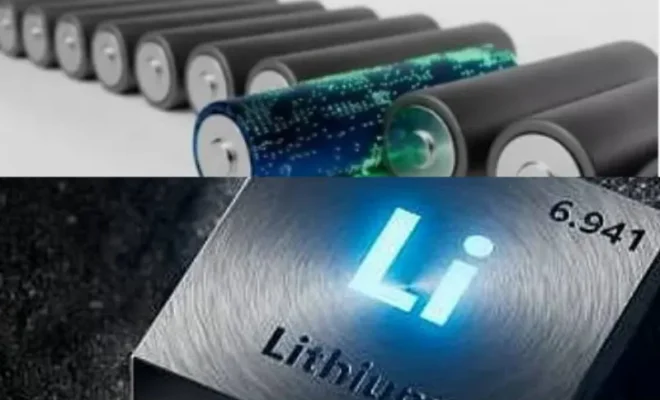
Black mass is a powdered substance that comes about through the grinding process of used lithium-ion batteries and battery waste from production plants. Black mass consists of various recoverable minerals such as lithium, cobalt, nickel and manganese.
These minerals play an important role in the production of batteries for vehicles, electronic devices and renewable energy systems.
Why Has the Government Banned Exports?
As per the information from the Ministry of Commerce and Industry, there has been an increase in the capacity of battery recycling and extraction of critical minerals in India. However, these domestic facilities are not able to function at full capacity due to lack of feedstock.
There has been another point pointed out by the government concerning the supply chain problem. It is that there may be a shortage of black mass in India while the waste material generated in India gets exported.
This ban will ensure that the mineral-rich waste remains in India and the domestic recyclers and refiners get enough raw material for themselves.
₹1,500 Crore Scheme to Support Critical Mineral Recycling
This recent policy is complementary to the Indian government’s ₹1,500 crore Incentive Scheme for Promotion of Critical Mineral Recycling, launched in September 2025 through the Union Cabinet.
The Incentive Scheme for Promotion of Critical Mineral Recycling aims at developing infrastructure to recycle critical minerals from secondary sources such as used batteries, e-waste and scrap.
Holding on to the black mass in India would enhance the success of such investments through availability of recycling raw materials.
What Does the Ban Mean for India’s EV Industry?
It will also have implications for India’s domestic supply chain for electric vehicle production, battery production, and renewable energy storage. More extraction of lithium, cobalt, and nickel could lower the risks related to international supply chain disruptions and exchange rate issues.
On the other hand, it is unclear whether Indian recyclers will be able to scale up their processing capacities and use the most efficient techniques while ensuring that they comply with environmental norms.
This is a significant move toward establishing a circular battery economy by keeping the valuable battery waste for recycling within the country and making it a valuable source of strategic minerals.
Public Dissent, Business Mergers, Drug-Free India & Emerging Opportunities
Are Public Spaces for Dissent Shrinking in India?
Explore the changing landscape of public expression, understand the challenges facing physical and digital spaces for dissent, and examine the broader debate around civil liberties.
How Will the Mygate-Adonmo Merger Create a ₹3,500 Crore Digital Advertising Entity?
Discover the strategic merger, explore its PropTech and digital advertising ambitions, and understand what the combined business could mean for India’s advertising market.
Can India Become Drug-Free by December 2029?
Explore Amit Shah’s three-year target, understand the proposed anti-drug measures, and discover the key challenges involved in tackling narcotics networks.
Why Has the Goa Pollution Control Board Flagged Mandovi River Pollution?
Understand the high faecal coliform levels identified in the interim audit, explore the environmental concerns, and discover what the findings mean for river health.
How Can Students Apply for IndiaAI Fellowships Worth Up to ₹2 Lakh?
Discover the fellowship benefits, explore the eligibility requirements, and check the application process and November 30 deadline.