
China Typhoon Bavi Explained: Track, Landfall, Impact and Latest Weather Updates
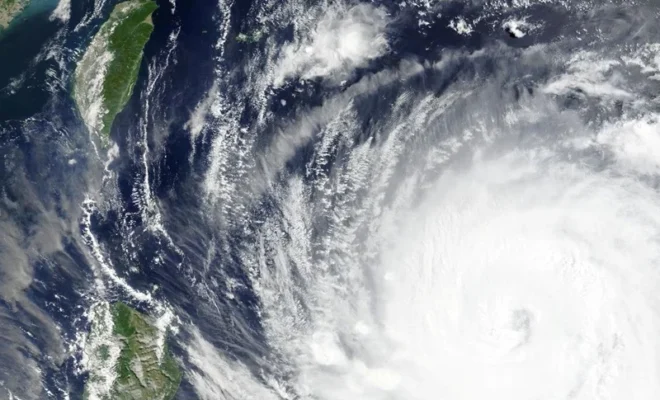
Typhoon Bavi is fast approaching the coast of Eastern China, posing risks of damaging winds, heavy rains, surges, and disruptions in travel for China and Taiwan alike, and weather forecasters have said that Bavi is among the most intense typhoons to hit the area in recent times.
Residents have been evacuated, ferry services have been put to hold, fishing boats have been recalled, and emergency response units have been sent out ahead of time.
What Is Typhoon Bavi?
Bavi is a strong typhoon that formed in the western Pacific Ocean and quickly strengthened due to the unusually high sea surface temperature conditions.
The maximum intensity of Bavi was that of a super typhoon, after which it started weakening slowly while moving closer to Taiwan and Eastern China. However, it should be noted that Bavi is still a very dangerous typhoon that can cause flooding and strong winds.
Where Is Typhoon Bavi Heading?
As per the recent forecast, Bavi is likely to pass by the northern side of Taiwan and then make a landfall on the eastern coast of China, with the maximum chance being somewhere between Fujian and south Zhejiang.
The forecast further suggests that the storm will move inland after its landfall while having massive amounts of moisture from the tropics to be carried inland in eastern and northern China.
Areas Expected to Be Worst Affected
The strongest impacts are expected across:
- Fujian Province
- Zhejiang Province
- Coastal parts of eastern China
- Northern Taiwan
- Nearby islands and coastal communities
Strong winds, rough seas, coastal flooding, heavy rainfall, and landslides remain the biggest concerns. Some forecasts suggest rainfall totals could exceed one metre in isolated mountainous areas of Taiwan.
What Preparations Have Authorities Taken?
The Chinese and Taiwanese governments have taken emergency precautions prior to the arrival of the typhoon.
Many people living along coastal areas have been evacuated. Ferry and flight operations have been halted, while fishermen were told to dock their boats.
Rescue teams have also been on standby for the floods, landslides, and infrastructural damages that would be caused once the typhoon hits.
Why Is Bavi Considered So Dangerous?
According to the meteorologists, besides being extremely windy, Bavi is hazardous due to its huge size.
It covers an area of almost 1,000 kilometers, enabling it to influence a larger area compared to most of the tropical cyclones.
Huge storms cause heavy rainfall, intense storm surge, and transportation difficulties even in distant areas from the center of the storm.
Could Flooding Become the Biggest Threat?
Absolutely. Experts say that flood will eventually do much more damage than the winds themselves.
Eastern China has just suffered from the consequences of heavy rains and floods brought by Tropical Storm Maysak. Flooding in the wake of Bavi storm is highly possible due to saturated soils, swollen rivers, and damaged infrastructures.
Will the Storm Affect Other Countries?
Even though it seems that China is going to be the country on which the typhoon is going to make a direct impact, Taiwan has already been hit by the typhoon in terms of rain and wind.
Some parts of Ryukyu Islands, belonging to Japan, have already suffered from bad weather, while some flights have been cancelled due to hazardous weather conditions.
Safety Advice for Residents
The authorities have called on the people living in the affected regions to stay indoors during the storm, refrain from coastal zones, evacuate if directed, and check the weather warnings from the concerned authorities.
People residing in flood-affected and landslides zones need to be cautious while rainfall persists after landing.
Why Scientists Are Watching Closely
According to climatologists, such hurricanes as Bavi show new obstacles of climate change caused by warming waters and changing weather patterns.
As sea temperatures get higher, tropical cyclones get more energy and are likely to have bigger winds and rainfall.
Even though there is no direct link between individual storms and climate change, experts point out that typhoons with a high intensity might occur more often under global warming.
Stay Ahead With Today’s Biggest Stories
How Will Semicon 2.0 Help?
Explore how India’s Semicon 2.0 incentive plan could strengthen chip manufacturing and boost investments.
What Caused Devkund Flash Flood?
Read what happened during the Devkund Waterfall flash flood and why tourists were left stranded.
Passed the FMGE June 2026 Exam?
Check the FMGE June 2026 result, pass percentage, scorecard details, and direct download link.
Why Restrict Rental Thar SUVs?
Discover why Goa is considering restrictions on rental Thar SUVs and the safety concerns behind the move.
Why Is Jalalabad Being Renamed?
Explore why Uttar Pradesh’s decision to rename Jalalabad after Lord Parashuram is sparking debate.
Conclusion
Typhoon Bavi appears to be one of the most anticipated weather phenomena in East Asia in 2026 as eastern China prepares for the landing of the storm while Taiwan is already experiencing strong weather conditions. Authorities insist on keeping their citizens well-informed about developments concerning Typhoon Bavi.
Coming days will reveal the whole scope of the damage that will be caused by the destructive winds and heavy rain of the hurricane.
Typhoon Bavi is not just a coastal storm but an entire big and slow-moving weather system capable of causing various natural disasters such as floods and landslides.