
TCS-NVIDIA AI Hub Explained: Autonomous Engineering, Industrial Automation and Key Benefits
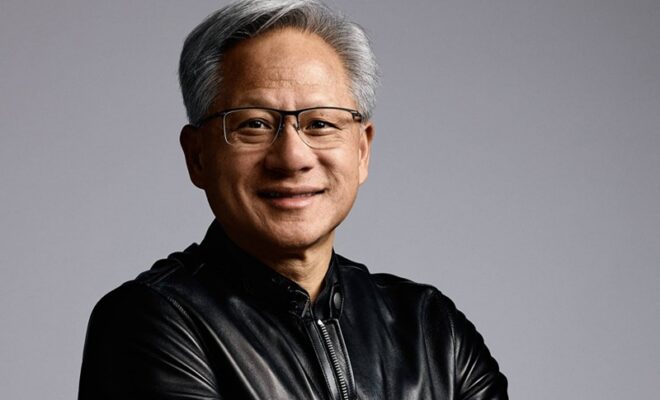
Both Tata Consultancy Services (TCS) and NVIDIA have recently set up a physical Artificial Intelligence (AI) innovation center called the “TCS Autonomous Engineering Lab Powered by NVIDIA.” This is an AI hub that has been established in Bengaluru and its purpose is to drive AI-based industrial innovation. The main objective of this center is to allow organizations to move past AI pilots and to adopt autonomous engineering, smart manufacturing, and autonomous mobility solutions.
This partnership between the two companies comes as part of the broader industry trend of moving towards “Physical AI,” which involves using AI to power machines, cars, factories, and other industrial processes apart from software applications.
What Is the TCS-NVIDIA AI Hub?
The TCS NVIDIA AI Hub is an Autonomous Engineering Lab that is based out of TCS’ Global Axis Campus in Bengaluru. The lab acts as an ecosystem in which enterprises can develop, simulate, and test their AI-driven industrial applications before implementing them in real-world scenarios.
As stated by TCS, the lab is unique in its design and aims to create a link between AI experiments and enterprise implementations. Rather than conducting the trials in actual factories or vehicles, the companies can conduct the trials within the confines of the lab itself.
What Is Autonomous Engineering?
Autonomous engineering involves the implementation of artificial intelligence systems which can aid or even work on their own to accomplish engineering functions such as monitoring, analysis, decision-making, testing, and optimization without requiring much human assistance.
The new laboratory is expected to assist firms in incorporating AI throughout the engineering process from designing and simulation of products to manufacturing and management. The objective of this technology is not to replace engineers but to automate certain processes and facilitate decision-making.
How Will It Support Industrial Automation?
Predictive maintenance, quality control inspections, process optimization, and real-time monitoring of operation processes using artificial intelligence are some of the primary targets of the TCS-NVIDIA partnership.
The laboratory will show how these AI solutions can be used by manufacturers to identify problems before they happen, minimize downtime, improve the manufacturing process’s quality and increase efficiency.
In addition to that, the laboratory works with “Physical AI” – the implementation of AI within machines, plants, and industrial equipment to conduct autonomous operations.
Why Digital Twins Are Important
One of the notable attributes of the AI hub is the application of digital twins.
The digital twin is a virtual duplicate of a physical entity like a factory, car, or assembly line. The engineers can make use of these virtual models in order to test different possibilities, solve problems, and test the artificial intelligence systems in a simulated environment before implementing them in real-world situations.
This helps mitigate implementation risks, reduce costs, and ensure optimization without disturbing business processes. The AI platform of NVIDIA makes this possible.
AI for Mobility and Smart Vehicles
The lab is also expected to accelerate innovation in connected and software-defined vehicles.
Using TCS DriveSphere and NVIDIA AI technologies, enterprises can develop advanced driver-assistance systems (ADAS), autonomous driving capabilities, intelligent perception systems, and real-time decision-making tools. These solutions are intended to improve vehicle safety, connectivity, and lifecycle management.
Key Benefits for Enterprises
One of the major benefits of using TCS NVIDIA AI Hub is the ability to transition from experimenting to implementing solutions within the shortest possible period of time.
With its help, organizations are able to develop, validate, and deploy AI-based applications more effectively. Thus, they can reduce deployment risks, minimize development time, and increase time-to-market.
In addition, TCS NVIDIA AI Hub provides organizations with the opportunity to leverage NVIDIA’s AI platform and the experience of TCS’ industry experts in engineering.
Why This Matters for India’s AI Ecosystem
The inauguration of the Autonomous Engineering Lab demonstrates India’s growing influence in AI and advanced manufacturing technologies.
As industries move ahead adopting AI, robotics, automation, and digital engineering, such labs could serve as the missing link for translating scientific research into commercial applications. It will further consolidate Bengaluru’s reputation as a world-renowned technology city.
It is believed that this partnership will benefit industries such as manufacturing, automotive, engineering, logistics, and mobility through scalable AI adoption.
Conclusion
TCS NVIDIA AI Hub goes beyond being just any AI research center. The AI Hub is meant to support companies in incorporating AI in actual industrial processes using autonomous engineering, digital twins, and intelligent automation.
In collaboration between NVIDIA’s AI infrastructure and TCS’ engineering capabilities, the project seeks to boost the development of next-generation intelligent factories, connected mobility solutions, and intelligent industrial systems.
The future of AI will go beyond chatbots and AI software. The new TCS NVIDIA AI Hub seeks to advance the application of AI in factories, automobiles, and industrial processes.
Keep Reading: Stories That Matter Most to You
1. NATO’s Ankara Summit: Warning Signals India Cannot Afford to Ignore
Explore how the NATO Ankara Summit could reshape India’s strategic and security priorities
2. EPFO VISHWAS 2026 Scheme Explained: One-Time Settlement for Pending PF Dues
Discover who qualifies for the EPFO VISHWAS 2026 Scheme and how pending PF dues can be settle
3. Kashmir Valley Tourism Rebounds: Gulmarg and Pahalgam Witness Record Summer Footfall
Check why Gulmarg and Pahalgam are attracting record numbers of summer visitors this year.
4. Beyond Dharmendra Pradhan’s Resignation: India’s Deeper Youth Unemployment Crisis
Explore the deeper causes behind India’s growing youth unemployment beyond the latest political developments.
5. Income Tax Return (ITR) Filing Deadline 2026: Key Changes in the New Tax Regime You Must Know
Discover the latest ITR filing deadline and important tax regime changes every taxpayer should know.