
Hapus Mango Dispute: Why Maharashtra and Gujarat Farmers Are Clashing Over the GI Tag
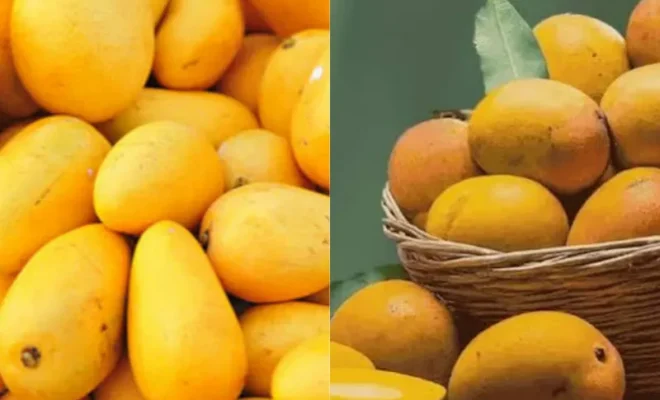
The Hapus Mango issue between Maharashtra and Gujarat has grown more severe as the Konkan growers protest against the request for getting a Geographical Indication (GI) certification for the Valsad Hapus. This controversy revolves around the name ‘Hapus,’ which is very significant for the Konkan farmers of Maharashtra as far as their identity and agricultural status is concerned. The hearing at the Geographical Indications Registry has been finalized, but the decision remains reserved.
This controversy has highlighted issues of agricultural identity, intellectual property and commercial interest of the farmers.
Why Does Maharashtra Have a GI Tag for Hapus Mangoes?
In October 2018, the Alphonso mangoes from Maharashtra’s Konkan region were awarded a GI tag following almost a decade of efforts by local cultivators as well as Dr Balasaheb Sawant Konkan Krishi Vidyapeeth.
The current certification includes Ratnagiri, Sindhudurg, Raigad, Thane, and Palghar districts. GI tag refers to those products that are linked to a geographical area in terms of quality and reputation.
For Konkan farmers, Hapus is not just a variety of the fruit but a unique combination of the flavor and aroma linked to the coastal region.
Why Are Gujarat Farmers Seeking the Valsad Hapus GI Tag?
Application for Valsad Hapus was made on February 13, 2023, by Bharatiya Kisan Sangh, Gandhinagar and Navsari Agricultural University.
The applicants claim that Valsad already has an independent history of cultivating Alphonso mangoes, and the region is capable of producing unique types of mangoes. The applicants would like to get geographical recognition for their products, not being represented under another district’s name.
On March 2025, the Valsad Member of Parliament Dhaval Patel also contacted the Union Commerce Minister Piyush Goyal regarding the application.
Why Are Konkan Mango Growers Opposing the Application?
The farmers from Konkan feel that even though Gujarat can claim a GI for its mangos, it must use another name for its region. This is because using both regions for their produce under the same name would create confusion among the customers.
The stakes involved are huge as the economic implications are high. Konkan Hapus is estimated to earn Rs 200 crore in India and Rs 80 crore from export.
What Happens Next in the Hapus GI Tag Dispute?
The GI Registry’s last hearing has been held, but its verdict is reserved. On the other hand, the state authorities concerned with agriculture in Maharashtra have suggested the use of GI labels and QR codes for identifying authentic Konkan Hapus.
The conference of mango growers is to be held at Devgad on December 3, 2026.
The results of the proceedings may affect the future protection and marketing of regional agricultural identities in India.
Food Policy, Sporting Success, Digital Services & Legal Developments
Will the Red Hexagon Change How India Labels Packaged Food?
Explore the OP-ED debate over front-of-pack food labelling, understand the proposed red hexagon warning system, and discover why it faces resistance from major FMCG companies.
How Did India Secure Silver in Asian Games 2026 Shooting?
Celebrate the team silver won by Rudrankksh Patil, Himanshu Dhillon and Parth Mane, explore their performance, and discover what this achievement means for Indian shooting.
Why Are ‘Rent a Garba Partner’ Apps Facing Police Scrutiny?
Understand the controversy surrounding partner-booking apps ahead of Navratri, explore the police advisory, and discover the safety concerns behind the debate.
How Will New Common Service Centres Expand Digital India?
Explore the Centre’s plan to establish new CSCs, understand how they could improve access to essential rural services, and discover what the expansion means for village communities.
Why Has the Delhi High Court Ordered SAP to Restore Nayara Energy Services?
Understand the court’s ruling on SAP’s services to Nayara Energy, explore why EU sanctions were not considered a bar to the contract, and discover the implications for businesses.