96-Hour Liquor Ban: What’s Closed in West Bengal During Phase 1 Polls
Last updated on July 6th, 2026 at 01:06 pm
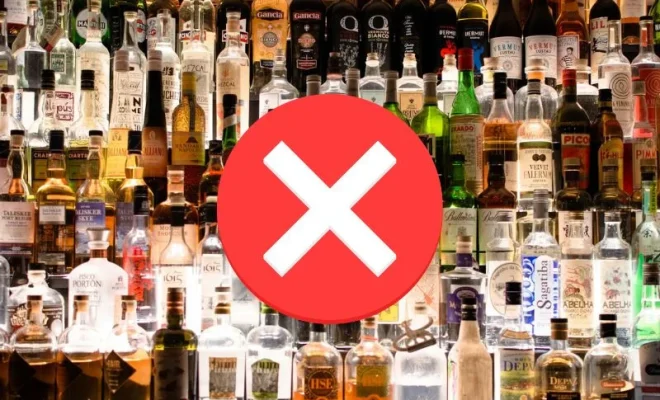
The West Bengal liquor ban 2026 has drawn attention after authorities extended the usual “dry day” period to 96 hours ahead of Phase 1 polling. The authorities moved to implement a 48-hour restriction, which they typically use during elections to establish their new approach toward law enforcement operations.
The decision comes in the run-up to the first phase of voting scheduled for April 23, with officials aiming to ensure a free, fair, and disturbance-free electoral process.
Why the Ban Was Extended to 96 Hours
The Election Commission prohibits liquor sales for 48 hours before polling under standard election regulations. The authorities investigated liquor sales and distribution activities because they detected an abnormal increase in both sectors.
The state excise department implemented a four-day restriction because the initial two-day restriction period needed to be extended. The law enforcement officials established this early enforcement measure to prevent organizations from using alcohol to manipulate voters during the crucial time before the election.
What Exactly Is Closed During the Ban
The West Bengal liquor ban 2026 extends to all licensed establishments that sell alcohol. The ban applies to all retail liquor shops and bars and pubs and restaurants that serve alcohol.
Licensed hotels and clubs must stop alcohol service during this time although they can continue their other operations. The restriction covers both sale and distribution, meaning alcohol cannot be sold over the counter or served on premises.
In many areas, authorities have limited wholesale movement and stock lifting from government depots to maintain complete compliance with regulations. The reports show that enforcement agencies observe compliance procedures while they prepare to take legal action against any violations they find.
Where the Ban Applies
The ban is specifically enforced in districts and constituencies going to polls in Phase 1. These include multiple regions across north and south Bengal where voting is scheduled.
In addition, authorities may extend restrictions to adjacent or sensitive areas depending on security assessments. This ensures that alcohol is not transported from nearby regions to influence voters in polling constituencies.
Timeline of the 96-Hour Ban
For Phase 1 polling on April 23, the West Bengal liquor ban 2026 effectively began around April 20 and will remain in force until polling concludes.
This extended duration means that alcohol sales are halted well in advance, reducing the chances of last-minute stocking or distribution. Additionally, a similar ban will also be enforced on the counting day, as per standard election rules.
Top Headlines You Must Explore
Which Pune Areas Fit Your Budget?
Discover the best places to live and work.
Why Is Atlassian Cutting Jobs Now?
Check the real reason behind AI-driven layoffs.
Is India’s Education System Outdated Today?
Explore why skills matter more than degrees now.
How Do Employees Handle Sudden Layoffs?
Discover the psychology behind job loss and recovery.
Want Easy Work From Home Jobs?
Explore beginner-friendly remote jobs you can start.
Why Liquor Bans Are Imposed During Elections
Liquor bans during elections are not new. Election laws require them to stop voters from being influenced and to keep public order intact. Alcohol consumption has historically been linked to election-related disturbances.
It includes bribery, voter inducement, and law-and-order issues. Authorities attempt to decrease these dangers through availability restrictions, which create a space that enables unbiased voting.
The West Bengal liquor ban 2026 extends its duration to 96 hours, which demonstrates that authorities now exercise greater monitoring power while enforcing stricter rules than they did during past elections.
Conclusion
The West Bengal liquor ban 2026 reflects a stricter enforcement strategy aimed at ensuring free and fair elections. By extending the dry day period to 96 hours, authorities are attempting to address concerns related to voter influence and public order more proactively.
While the move has caused temporary inconvenience for businesses and consumers, it underscores the importance of maintaining electoral integrity during a high-stakes political process.