‘Sabki Yojana, Sabka Vikas’ 2026: People’s Plan Campaign Rolls Out Across Gram Panchayats
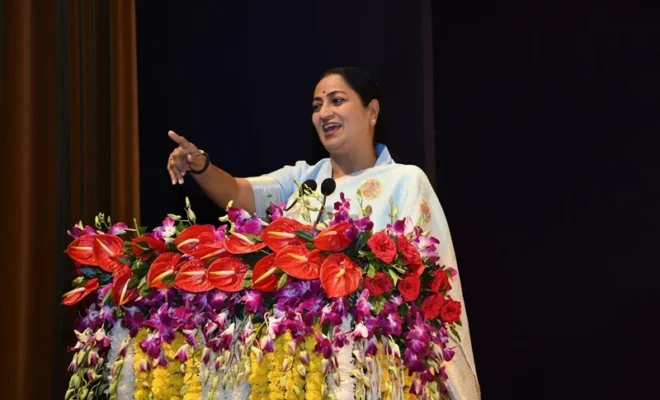
“Sabki Yojana, Sabka Vikas”, the People’s Plan Campaign, is once again being launched in the Gram Panchayats in India’s yearly participative planning process.
The present round of the People’s Plan Campaign will be working towards drafting of the Panchayat Development Plans for the financial year 2027–28, with special Gram Sabhas being organized from around October 2, 2026. The People’s Plan Campaign, which was first launched in 2018, works towards addressing the requirements of the locals through Gram Sabha meetings before their inclusion in the Panchayat plans.
What Is ‘Sabki Yojana, Sabka Vikas’?
“Sabki Yojana, Sabka Vikas” is the name given to the campaign for the People’s Plan Campaign (PPC) of the Ministry of Panchayati Raj. The fundamental theme behind this campaign is that plans for village development should not be made only by Panchayat authorities; rather, the needs and priorities of the local population should come to the fore.
The whole process of this campaign revolves around participatory planning in the Panchayats. Gram Sabhas offer an arena for the people to identify development needs, evaluate existing schemes, and also plan activities for the upcoming financial year.
What Happens in Gram Sabha Meetings?
Gram Sabha Meetings form a crucial part of the movement. Through Gram Sabha Meetings, Panchayats can get an idea of the extent to which past plans have been fulfilled, the ongoing activities, and the loopholes in the execution of the activities for the people using government schemes/services.
Topics such as drinking water, sanitation, roads, education, health, means of livelihood, social security, and other infrastructure of the village could come up in the discussion. These issues should then be converted into activities that could eventually become part of the Panchayat Development Plan.
Another aspect of the movement’s framework is the provision of larger participation through Mahila Sabha and Bal Sabha.
How Will Village Priorities Shape the Development Plan?
This campaign is aimed at bridging the gap between what people perceive at the Gram Sabha level and the actual planning process of the Panchayat.
Rather than looking at each scheme as a separate activity, this framework aims to get Panchayats to analyze local development gaps and pool resources from various government programs and departments. This process is referred to as convergence and the idea is that available resources should be brought together to work towards common goals at the village level.
Another tool being used in this process is the Panchayat Advancement Index or PAI. For the framework of the campaign cycle for 2026-27, the indicators include issues such as health, education, infrastructure, water and sanitation, social justice, flagship schemes and mobilization of Panchayats’ own-source revenue.
Why is the Campaign Important for Rural India?
The significance of “Sabki Yojana, Sabka Vikas” is in the fact that it tries to make rural development planning more locally-oriented.
For example, while one village suffers from water scarcity issues, the other village might struggle with issues like road connectivity, health care, or income opportunities. Central planning may not be able to take into account these issues all the time.
Under participatory planning, villagers will be able to point out what issues are affecting them the most. This information, together with the data and details of government programs, can be used by panchayats while drawing up their development plans.
According to the Ministry of Panchayati Raj, the campaign can be seen as an instrument for enhancing participatory, inclusive and need-based Panchayat Development Plans.
What Role Does Technology Play?
However, it is not just limited to physical meetings held under Gram Sabha. Slowly and steadily, technology is being integrated into the planning and monitoring process.
While the use of the eGramSwaraj website for planning at Panchayat level and related information, other technological means can be used for monitoring, reporting, and access to information at the Panchayat level. There are also plans by the government to integrate indicators within the eGramSwaraj portal for measuring the performance of Panchayat Development Plans.
This added dimension will ensure increased transparency and accountability of the entire process. It will also enable determining whether the planned activities ever make their way into the Panchayat development plans.
What Can Villagers Expect From the 2026 Campaign?
Participation is the most crucial element of the campaign for the villagers. This is done through the Gram Sabha, where local issues can be raised and development activities that deserve attention in the next planning cycle are discussed.
The campaign would further ensure that various segments of the village get a chance to participate. It is to be noted that the planning structure stresses the importance of involving women, SC/STs, disabled people, and old age people in the planning process.
This would ensure that the campaign is not only about drafting one more government document. The overall aim is to link the needs of the village with the available government resources and development programs.
How Will Progress Be Monitored?
Monitoring systems are in place under the People’s Plan Campaign at various administrative levels. While the states and UTs have been entrusted with the task of implementation coordination, the district, block and Gram Panchayat-level officers and facilitators have been helping in the process.
The official Panchayat Development Plan website gives the relevant details on Gram Sabha meetings, Panchayat plans and campaign progress. The current reporting system has data on scheduled Sabhas, facilitators and Panchayats that are part of the campaign process.
The purpose of this monitoring system is to gain more visibility into the success of the campaign in reaching Panchayats and planning under the campaign guidelines.
What Happens After the Gram Sabha?
The discussion of the Gram Sabha is merely the first step in this process. The identified priorities and proposals would have to be evaluated and integrated in the Panchayat Development Plan within the context of resources available to them.
The finalized plans would subsequently be uploaded in the digital platforms such as eGramSwaraj. This will help establish a linkage between the community-based discussion and the plan-making process of the Panchayats.
For the current campaign cycle, it means that the process is focused on making plans for 2027–28 financial year and not to make an immediate disbursement of any benefits to the villagers.
Why ‘Sabki Yojana, Sabka Vikas’ Matters in 2026
This year’s strategy arrives amid rising demand for the application of data, digital platforms, and community participation in combination in the planning of local development initiatives by Panchayats.
In this case, traditional Gram Sabha participation is combined with modern techniques such as the Panchayat Advancement Index and eGramSwaraj. This makes it possible to create a platform where community voices could be taken into account along with the identified development deficits and government resources.
The overall goal here is still decentralized planning in the form of villagers determining their own priorities and Panchayats organizing schemes around them.
Conclusion
“Sabki Yojana, Sabka Vikas” 2026 can thus be seen as involving inclusion of village level priorities in development planning process. Communities can voice their concerns and grievances in Gram Sabhas and other such interactions, evaluate existing development initiatives, and also help set priorities for the future Panchayat Development Plan.
This initiative thus includes elements of community participation along with digital monitoring and data-driven planning approach. Its success shall finally hinge on the level of community participation and the degree to which the issues are reflected in Panchayat Plans.
Key Updates Shaping India’s Rural Development
What Happened Across Taluka Panchayats?
Check out the latest political developments involving Congress and BJP.
How Is BJP Expanding Its Reach?
Find out how the Panchayat to Parliament strategy is being used.
What’s New in Rural Digital Services?
Uncover how new CSCs could expand digital access in rural areas.
What Are Swachhata Hi Seva’s Priorities?
Browse the five key pillars driving the 2026 nationwide campaign.
What Changes Are Coming To MGNREGA?
Explore the proposed overhaul and the VB–G Ram G Scheme.