Pilgrimage Travel Advisory: High Alerts Issued for Mountain Corridors Amid Rains
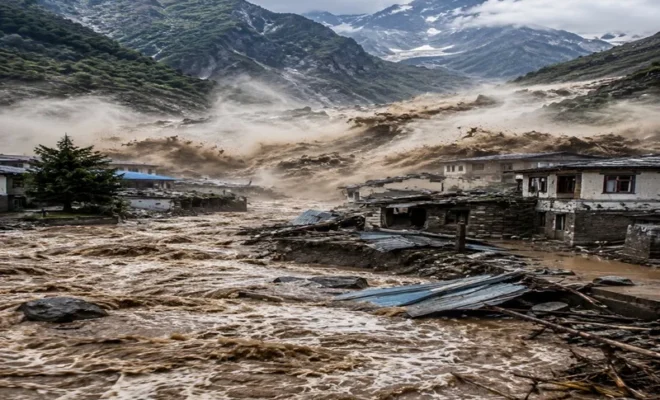
Pilgrims intending to go on trips via the Himalayan route and others this week will need to take extra care since the monsoon continues to be active in several areas of India. According to forecasts issued by the India Meteorological Department, heavy to very heavy rains, thunderstorms, and gusty winds will continue between August 28 and September 3 across several areas, including those stretching from Odisha to Uttarakhand.
This advisory is particularly significant at a time when the risk of accidents and injuries through mountainous routes is very high. On August 26, a flash flood occurred in the Nepal-Tibet Himalayan corridor which claimed hundreds of lives. It was noted that the flash flood had occurred along a route which was frequently used by pilgrims and trekkers heading to Kailash Mansarovar.
Why Pilgrims Going To Mountains Need to Be Careful
During periods of heavy rainfall, mountain roads tend to be vulnerable because of the risks that come with such conditions. For instance, water can trigger landslides, destabilize the roads as well as cause damage to bridges. This means that although a pilgrimage destination might be accessible, the roads leading to it could prove too dangerous.
Heavy rainfall makes the weather outlook for those heading to Himalayan pilgrimage destinations very important. Rains could cause sudden rise in the level of rivers and streams. Visibility would also become poor, increasing the danger of traveling through the roads.
For example, in Himachal Pradesh, the weather department warned of heavy rainfall and advised locals as well as visitors to be careful due to the risks of landslides and flooding.
Kailash Mansarovar Route Faces a Major Warning
The recent tragedy in Nepal and Tibet has highlighted the dangers to which pilgrimage corridors are exposed. Flash flood occurred at the Nepal-China border in connection with glacier-related phenomenon causing water, rock, ice, and mud to pour through rivers in the Himalayas.
In question is one of the key routes used by pilgrims making their way to Mount Kailash and Lake Mansarovar. Reuters informs us that there were numerous Indian tourists among those who suffered the most from this natural catastrophe, while the work of rescuers was complicated by destruction of roads, bridges, and infrastructure.
Moreover, there have been warnings about the risk of new floods as a consequence of obstruction of certain sections of rivers and formation of additional water objects.
How about Pilgrimages Inside India?
The current state of affairs will be of importance for tourists heading towards pilgrimage sites in Uttarakhand, Himachal Pradesh, and other areas in the Himalayan region.
According to the latest forecast of the IMD, active monsoons will continue bringing a large amount of precipitation until the upcoming days. Therefore, for pilgrims, the road condition at the moment of departure cannot be necessarily the same in several hours from now.
A road that seems to be free from any obstructions in the morning can suffer from landslides, waterlogging, or closing due to heavy rainfall. Hence, one must not use outdated information or social media updates to organize a travel to the mountains.
Why Flash Floods Are Particularly Dangerous
Unlike regular rainfall, flash floods are characterized by the ability to develop very rapidly. The water that collects upstream could move through narrow valleys with immense power, carrying dirt, stones, trees, and debris of any kind.
In the recent Nepal-Tibet tragedy, the devastating impact of flash flooding was witnessed first-hand. In this case, the collapse of a glacier released the mixture of ice, rocks and water, causing flash flooding through the valley.
Pilgrims passing through mountains could face dangers not only when they are right next to the rivers. The roads, bridges, and valleys further away could be damaged by a sudden surge of water.
Things Pilgrims Must Check Before Going
Prior to embarking on a pilgrimage under the existing monsoon conditions, pilgrims must verify the current weather forecast and the state of operation of the roads and routes.
Local administration alerts, road closings, landslide warning and pilgrimage schedule must also be checked. Taking unnecessary risks just because the accommodation or transportation was already booked shouldn’t be done.
Traveling in groups, travelers must ensure that all group members have working mobile phones, necessary medications, IDs and contact numbers of the emergency services. Contacting relatives about your route is especially important when traveling in areas where mobile phone network connection is spotty.
Avoid Travelling Through Unsafe Mountain Stretches
If the authorities recommend against taking a certain road, river crossing, or mountain passage, then that advice must come before the individual’s travel arrangements.
Crossing a road that has been recently damaged or lingering beside a river that is swollen poses unnecessary risks for pilgrims. Mountain weather and landscapes can be unpredictable; even small landslides may disrupt road access and make slopes unstable.
The traveller should also be careful to avoid stopping where there are unstable slopes near by during periods of heavy rainfall.
Why the Current Advisory is Important
The combination of the monsoon period in India and the recent flood catastrophe in the Himalayas area makes this a relevant time for planning any pilgrimage.
The recent disaster in Nepal-Tibet shows how high altitude routes can encounter multiple dangers due to rainfall, glacier instability, landslides, flash floods, and damage to infrastructure. At the same time, specialists point out how vulnerable the Himalayan region has become to climate risks.
It is important to understand that not all pilgrimage routes are dangerous now. It means that pilgrims need to base their decisions on the current situation in the area and not to rely on safe travel conditions throughout the day or the whole season.
Conclusion
This most recent travel advisory on pilgrimage serves as a reminder that monsoon travel via mountain passes demands much more planning than usual road travel, since heavy rains can cause landslides and flash floods and disruption of roads without any prior notice, as evidenced by the recent tragedy in Nepal-Tibet.
The pilgrim must consult weather and route advisories prior to setting off, be flexible in travel plans, and not venture into areas where advisories have been issued.
One may rely on faith for choosing one’s destination, but the weather should dictate travel plans in the monsoon season.
Explore More Travel, Heritage & Tourism Updates
Himachal & Uttarakhand Travel Advisory
Check out the latest route updates and landslide-prone stretches before planning your journey.
Char Dham Yatra Travel Advisory
Find the latest road conditions and highway updates for Kedarnath and Badrinath pilgrims.
Hemkund Sahib Yatra Travel Advisory
Uncover current road conditions and security checkpoint updates along the Uttarakhand border.
Sarnath Added to UNESCO World Heritage List
Explore Sarnath’s rich history and cultural significance behind its landmark UNESCO recognition.
IRCTC Monsoon Special Tourist Trains
Browse IRCTC’s special train routes, ticket booking details, prices, and tour packages.