
INCOIS Suspends Beach Tourism Across Kerala and Southern Tamil Nadu Due to Swell Surge
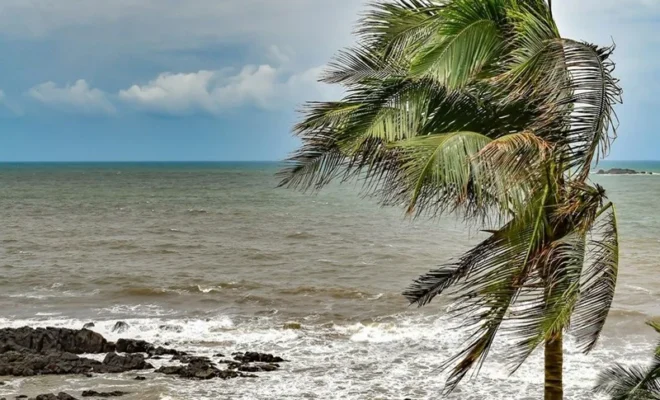
Beach plans in Kerala as well as some areas in south Tamil Nadu have been hampered after INCOIS issued a swell surge alert for the coastal areas in India. This warning is valid till August 19-20 and there is a risk of waves surging inland into the low lying areas of the coastal areas and causing flooding of seawater.
The warning from INCOIS calls for the suspension of all activities in the beaches and coastal areas and thus becomes imperative for travelers intending to visit beaches and enjoy water sports.
Why Has INCOIS Issued the Swell Surge Warning?
The present condition is caused by long-period swells that were created in the southern Indian Ocean. As per the reports that quote INCOIS, the swell system was created about 10,000 kilometers away from the coastlines of India in approximately August 13 and moved towards the northern Indian Ocean.
This is not always an ordinary storm wave phenomenon because long-period swells have significant energy, which could cause them to generate abrupt surges. This particular swell system has a wave period of approximately 21 seconds, causing more seawater to travel inland along the vulnerable coastlines.
Which Areas Are Under Risk?
Especially the coastal regions of Kerala, the south of Tamil Nadu, and Lakshadweep have been issued with the warning. In Kerala, all coastal regions have been put on high alert status since these regions are susceptible to intrusions from the sea.
Southern parts of Tamil Nadu like Kanyakumari, Tirunelveli, Thoothukudi, and Ramanathapuram also include coastal areas in the warning.
This implies that tourists should not take it for granted that the particular beach is safe just because the weather looks fine on land. Swell is an ocean-related threat and can affect wave action regardless of whether there was heavy rain or a cyclone passing above.
Why Has Beach Tourism Been Suspended?
Suspended beach and nearshore tourism is purely for safety reasons. INCOIS has specifically cautioned that all operations and recreational activities at beaches and nearshore areas must remain on hold until such time as the warning is withdrawn.
This encompasses those situations in which people might be near the edge of the water line, such as swimming, boating and other recreational activities on the water. There is not just the issue of high waves, but also that of unexpected waves and sudden surge that might pull seawater into normally safe areas.
The best option for the tourists would be to stay away from beaches and near shorelines until such a time as the warning is lifted.
What is a Swell Surge?
An example of swell surge takes place where long-period waves bearing energy hit the coast and interact with the coastlines. While regular waves generated by winds may be relatively small and frequent, long-period waves can arrive in less frequent intervals and move huge amounts of water onto the coasts.
This situation can pose a danger to low-lying beaches and coastal settlements as water can surge into land, and the repeated wave actions might lead to coastal erosion and flooding.
Thus, the present alert goes beyond the question of the unusually high waves.
What Should Tourists Do Now?
Individuals who are presently in Kerala and southern Tamil Nadu need to heed instructions from the relevant authorities and stay away from beaches affected by the warning.
Tourists need to get information regarding warnings about beaches from their hotel or local tourism authorities before setting out to reach the beaches.
Even when the sea looks calm from afar, tourists must not venture into the sea or near the beach to take pictures during a swell-surge warning.
Individuals residing in coastal or low-lying areas need to be wary of seawater flooding.
What About Fishermen and Small Boats?
It becomes all the more necessary for fishermen and people operating small vessels. The INCOIS has warned that small boats should not be operated near the coast during the warning period. They should also keep adequate distances between one another to avoid collisions or damages to the vessels.
The warning thus becomes significant not only for the tourists but also for coastal residents who rely on sea for their day-to-day work.
For How Long Will This Warning Be in Effect?
This particular warning will run through August 20, with the period of danger running up to 5:30 pm of August 20.
According to a recent report, till early August 20, there was no report of any swell incident in Kerala in spite of the red alert, as per the information from the concerned officials. However, the coastal areas were being monitored because the warning was still active.
No incident does not necessarily mean that the warning has become redundant because swell conditions are very variable.
Is This a Cyclone?
No. The existing warning is connected with ocean swells, but not a cyclone which impacts directly on Kerala and southern part of Tamil Nadu.
The swell formed at quite a distance away from India and travelled across the Indian coast. It is critical to understand that dangerous coastal conditions can exist in the absence of any storm nearby.
Reasons Why Tourists Should Pay Attention to the Warning
The primary threat posed by swell surge is being unaware. The usual calm beach will change its face in a moment and will have a huge surge.
Long period waves can reach farther into the beach than tourists expect. Consequently, standing near water and entering the water itself poses extra danger.
Thus, the best thing tourists can do now is to substitute the beach visit with something inland until the restrictions are lifted.
Conclusion
Swells Surging Alert issued by INCOIS warns beaches in Kerala and southern Tamil Nadu about the risk till Aug 20. Swells of high energy, which have originated from the South Indian Ocean, can pose an eminent danger of surging seawater at the shore regions.
Travelers must take the advice of INCOIS regarding the need to halt tourism and recreational activities on beaches seriously.
For tourists traveling to Kerala and southern Tamil Nadu beaches today, avoid any such activities till the swell surge alert is withdrawn. Even in fine weather conditions, the sea can be perilous.
What’s shaping India, its future, and beyond?
How Will El Niño Shape Monsoons?
Check out the month-by-month rainfall outlook for India in 2026.
What’s Behind India-Japan Naval Deal?
Uncover the stealth naval hardware deal and its strategic significance.
What Does UPSC EPFO 2026 Offer?
Find the latest notification, registration dates, vacancies, and eligibility details.
Why Must India Push Back?
Dive into India’s strategic autonomy amid continuing U.S. pressure.
Why Is One Day One University?
Explore why Union Ministers are visiting campuses to connect with Gen Z.