
Centre Launches ‘One Day, One University’: Why Union Ministers Are Going Campus-to-Campus to Reach Gen Z
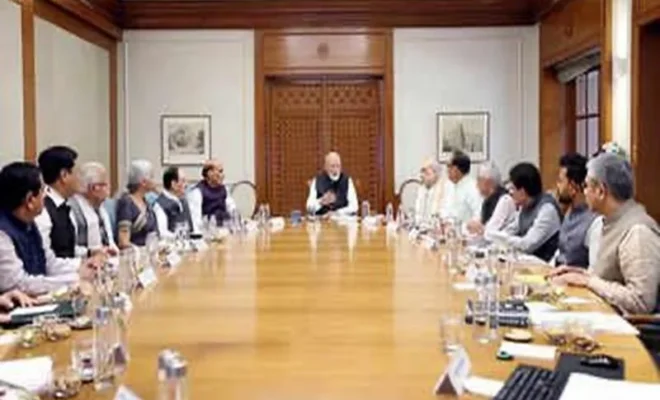
This approach involves the Centre trying to get closer to the youth of India through a nation-wide scheme known as “One Day, One University.” Under the scheme, there would be a visit by a Union minister to one university each day, providing a direct connection between the government and the youth of these universities. It would enable the government to understand what worries the youth, which would provide the government with an insight into the aspirations and problems faced by the younger generation of India.
It would help in a period when problems like employment, skill development, education, entrepreneurship, and future careers are of utmost importance to the youth of India. Unlike the traditional approaches to political outreach, this scheme would take the discussion to the campus of these universities, where many young people from India spend their formative years.
What Is ‘One Day, One University’?
The rationale of One Day, One University is simple; rather than getting students involved in government programs or politics, Union ministers will go to university campuses and engage with them.
Based on media reports about the new program, one Union minister will visit one university every day as part of a national youth outreach program. The goal is to have a better dialogue with the youth and learn their perspectives on matters related to their education and future career prospects.
Hence, the program will not just be a regular visit program but a way to establish an ongoing dialogue between the government and youth.
Why Is the Centre Targeting Gen Z?
India’s Generation Z constitutes one of the largest and most tech-savvy generations in the country. In addition, the demands of these young people in terms of education, work and government institutions are also rapidly changing.
Young people who have joined the job market know that holding an academic qualification alone will not serve them. Today’s students expect more than just educational qualifications; they want employable skills, internships, business opportunities, exposure to technology and better transition from education to work.
The initiative of the Indian government to take its ministers directly to campuses provides an ideal setting for addressing their demands. There are reports that employment, skills and opportunities for young people are some of the areas of focus under the initiative.
Why Campus Visits Could Make a Difference
One big benefit of the project is that it makes it possible for the ministers to listen to their worries directly without depending on other ways such as reports and surveys.
If a student has fears about the prospects of getting employed, he/she might have another view from what a policymaker would be seeing after looking at the employment statistics of the country.
Students who have issues with new technologies in workplaces, Artificial intelligence and even academic issues can give valuable information which may not come during government consultations.
Employment and Skills at the Centre of the Conversation
Employment would be one of the most crucial aspects of this initiative. India has a huge young generation joining the ranks of higher education and employment every year. The education system must provide students with a path for a promising career, and due to the fast development of artificial intelligence, the requirements of potential employers have also changed.
It is therefore highly relevant to speak about the development of skills. No longer do universities provide students with degrees, but they also have to help students adapt to the changing job market.
The One Day, One University initiative gives the government a chance to speak about these problems with the students directly, as well as inform them about the current situation.
A Different Approach to Government Outreach
In the past, communication efforts by the government have been done through public campaigns, government programs, advertisements, and major events. This new communication effort is a more personalized one.
Instead of gathering many students for an event organized by the government, ministers are now required to visit different universities and interact with the students at their respective universities.
This type of approach may also help the government know about regional differences. What the students at the university in the urban area might be concerned with will certainly not be the same as the students from other areas.
Is ‘One Day, One University’ Completely New?
The term in itself is not totally novel to India. “One Day, One University” had been used earlier by universities and governmental bodies for separate outreach initiatives. The Islamic University of Science and Technology in Jammu and Kashmir, for instance, organized a seminar of the same name in 2024 to interact with law enforcement officers, judicial officers, and students discussing the new criminal laws.
What distinguishes the present initiative is that it has adopted a political outreach model across the nation where Union ministers will be visiting universities everyday to engage with Gen Z.
What Students Can Expect
However, the specific format for each and every college interaction is bound to vary, according to the university and the respective minister. Nevertheless, it is expected that the underlying principle would be the direct interaction with students.
Through these interactions, it is likely that students would have an opportunity to ask questions concerning education, employment, entrepreneurship and national issues besides gaining knowledge regarding the various government programmes.
Ultimately, the success of this program is dependent upon whether these interactions remain interactive in nature or turn into traditional speech-making and college tours.
Why This Matters Ahead
This comes against the backdrop of increasing importance of young Indians in the discussions about technology, employment, innovation, and the future of the economy.
While the government is able to get feedback through the engagement of Gen Z, it could be useful for the government in knowing what young Indians want from the government. In turn, students can get a chance to express their problems directly to Union Ministers without having to go through many administrative levels.
In case such a policy is sustained in various regions and universities, One Day, One University will become an important channel of knowing what India’s younger generation thinks about its future.
Conclusion
Centre’s One Day, One University campaign is, in essence, an attempt by the government to reach out to universities and interact with Gen Z directly on their own turf.
The program is timely and relevant in the wake of sweeping changes in employment, technology, education and skill sets that the current generation of students is facing. With the visit of ministers to each university on a daily basis, the government is trying to close the communication gap between the policymakers and the youth, at the same time having a better idea about their dreams and worries.
One Day, One University can be seen as an effort to substitute the government communication for a direct interaction with the students.
Stay informed with the latest developments shaping India and beyond.
Why Should India Protect Autonomy?
Check out the strategic debate over India’s independence amid U.S. pressure.
What Happened During Gor Kashmir Visit?
Find the key meetings, agenda and significance of the 2026 Kashmir visit.
How Will ISRO Data Help Farmers?
Discover how new Earth observation data can support agriculture monitoring.
Can Sensors Prevent Western Ghats Landslides?
Why Has Pakistan Extended Airspace Ban?
Track down the reasons behind Pakistan’s extended restriction on Indian commercial aircraft.