
Hybrid vs EV Subsidies in India Explained: Why the Centre Is Reviewing the Framework
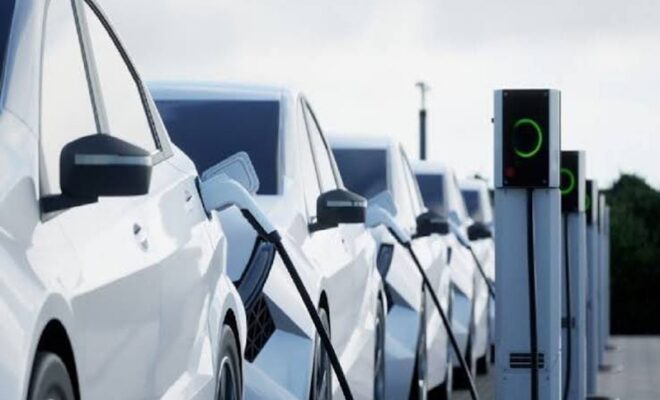
There seems to be an impending change in India’s clean mobility policy, as the Centre is reviewing its subsidy structure related to hybrid and electric vehicles (EVs). This new development has generated discussions regarding whether the government will keep on subsidizing only battery-operated electric vehicles or also extend their hand to hybrids.
This has happened at a time when the automobile sector in India is experiencing a boom in the sales of electric vehicles as well as hybrid cars that deliver high fuel efficiency without bothering much about the charging stations.
This decision of the government can have implications on the price of future cars, consumers’ demands, production and also on how the country will lower its carbon footprint in the future.
Why Is the Government Reviewing the Subsidy Framework?
During the last couple of years, India’s incentive structure for promoting electric vehicles has been dominated by battery electric vehicles via schemes like Faster Adoption and Manufacturing of Electric Vehicles (FAME).
The incentives have been implemented with an objective of promoting EVs, lowering dependency on fossil fuels, and encouraging manufacturing of electric vehicles in India.
However, the automobile manufacturers as well as other experts in the automotive sector have expressed their views that the highly efficient hybrid automobiles can also play a very significant role in the reduction of fuel and emission levels, particularly in areas where the facilities for charging of EVs have not yet been fully developed.
Due to this, the government is reported to be reviewing whether the existing policies should continue giving priority to battery EVs or adopt a neutral approach by including hybrids as well.
What Is the Difference Between Hybrid and Electric Vehicles?
It is important to distinguish between the two before discussing subsidies.
The battery electric vehicle is a car that works exclusively on energy provided by a rechargeable battery. It does not emit any pollutants from its tailpipe and needs charging from home or public charging stations.
In contrast to the battery electric vehicle, the hybrid has a petrol engine along with the electric motor. In addition, the hybrid has an automatic battery charge system, which consists of recharging the battery using regenerative braking and the engine. Hence, the driver does not need to charge the vehicle using a charging station.
Some strong hybrids may be able to drive in the purely electric mode at low speed with further transition to the petrol engine, which will provide extra power.
Since the hybrid uses some fuel, it can be considered the transitional technology to battery electric cars.
Why Are Automakers Divided?
The review has indicated varied views from the automobile industry.
Companies that have extensively spent in electric cars maintain that the government should continue with the subsidies since electric cars are the best solution that will be seen in the future in regard to zero emissions. This is based on the view that offering the subsidies to hybrids would delay India’s transition into all-electric cars.
However, companies that produce hybrid cars maintain that India needs a variety of solutions in terms of technology due to the lack of equal charging facilities in the country.
In this regard, the subsidy issue has become one of the most critical in the Indian automobile industry.
What Could Change for Buyers?
If the government increases its financing for hybrid cars, the customers will have the chance of saving money during the purchasing process and choosing a greater variety of affordable fuel-efficient vehicles.
Electric cars are supported by the government in different ways, according to the applied program and state legislation, whereas hybrid cars receive less assistance.
The proposed scheme will help to minimize the price difference between hybrid cars and electric vehicles and give people the chance to choose according to their driving habits and availability of electricity.
Nevertheless, nothing definite has been decided yet, and the review process continues.
Why Infrastructure Matters
One of the most significant problems with electric vehicles is the availability of charging stations.
While charging stations have been growing quickly, they are mainly available in urban centers. There are still many problems associated with long distance driving and rural coverage.
The proponents of hybrid vehicles claim that hybrid vehicles are more fuel-efficient because they don’t rely on charging stations, hence, are more suitable for consumers in areas without charging stations.
On the other hand, the proponents of electric vehicles think that further support from policy makers will help address this problem.
What Does This Mean for India’s Climate Goals?
India is making efforts to cut down on emissions, while at the same time ensuring that transportation is sustainable.
Battery electric vehicles have their own significance due to the fact that they don’t emit any exhaust gases. Hybrids also ensure reduced fuel use and carbon emissions compared to gasoline vehicles.
This article is part of a wider policy dilemma – whether India should concentrate only on achieving the final objective of full electrification, or allow several options on the way.\
When Will This New Policy Be Revealed?
The Centre hasn’t come up with any new announcement regarding policy changes for subsidies.
There are ongoing discussions in the government on this matter with the representatives from the industry, and any possible change in policy would be revealed once the entire review is done.
Top Stories You Can’t Afford to Miss Today
When Will Tata Curvv EV Launch?
Explore the confirmed launch date, expected price, battery options, driving range, and upgraded features of the Tata Curvv EV.
Why Is Income Tax Portal Slow?
Check how to clear your browser cache, verify your e-filing status, and avoid penalties under Section 234F before the deadline.
How Are India-Japan Supply Chains Evolving?
Discover how India and Japan are strengthening Indo-Pacific supply chains through new bio-gas and semiconductor partnerships.
How Can Patients Book Instantly?
Explore how AIIMS Delhi’s new WhatsApp and ABHA Health ID system makes OPD appointment booking faster and easier.
Why Did Washington Change Strategy?
Discover why the latest U.S. terror designation targets financial networks and what it could mean for future counterterrorism efforts.
Conclusion
Review of Hybrid vs EV subsidies in India is an important step for the nation’s sustainable mobility.
In case the Indian government makes a decision on either subsidizing the electric vehicles or supporting the hybrids more, it will help to reduce the pollution levels, promote local production, and provide Indians with more environmental friendly transport options.
Anyhow, it will have an impact on the price of the vehicle. India’s subsidy review is not simply about choosing between hybrids and EVs—it is about finding the right balance between today’s practical needs and tomorrow’s clean transportation goals.