India Targets Complete Elimination of Hepatitis B and C by 2030: Health Ministry Roadmap
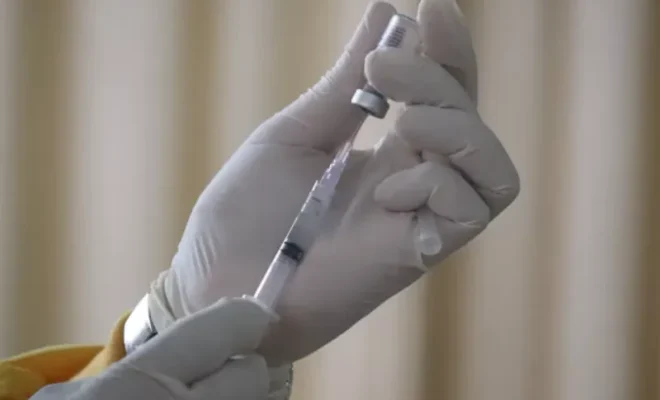
India has once again reiterated its resolve for hepatitis elimination by 2030, through the involvement of the Health Ministry, which emphasizes the need to focus on prevention and treatment, early diagnosis, and the need to integrate hepatitis care into the public health care system. The National Viral Hepatitis Control Programme (NVHCP) launched in 2018 is still the key program..
India’s Hepatitis Elimination Goal
Some of the most common types of viral hepatitis include Hepatitis B and C, both of which can become chronic, resulting in dangerous conditions for the liver such as liver cirrhosis and liver cancer. Government statistics show that there are 40 million Hepatitis B cases in India, whereas the number of Hepatitis C cases ranges between 6 to 12 million in the country. The Indian government’s approach is consistent with Sustainable Development Goal 3.3, which requires the combat of viral hepatitis by 2030.
How India Plans to Eliminate Hepatitis
The NVHCP is based on the public health model of awareness, prevention, screening, diagnosis, and treatment. Free diagnosis and medication is available through the program, and healthcare delivery is included in the government’s existing health delivery system.
Prevention is yet another important aspect of the roadmap. The vaccine against hepatitis B, particularly the birth dose, is getting reinforced while screening for hepatitis B among pregnant women is being conducted so as to lower the chances of transmission to infants.
Focus on Early Diagnosis and Treatment
In addition, India’s strategy for Hepatitis B and C elimination will rely on the early diagnosis of the infections before they develop into any kind of severe liver disease. The Indian government has been trying its level best to promote tests and treatments at public health facilities and to coordinate hepatitis care with the care related to HIV, Tuberculosis, maternal health, and blood safety.
It is noteworthy that the recent updates from the Indian government confirm the government’s dedication to eliminating hepatitis by 2030.
Thus, along with medicine, the 2030 goal will require much more awareness, vaccination, testings, timely treatment and monitoring. By using all of these factors in combination, India is hoping to ease the burden of Hepatitis B and C in the country and to make viral hepatitis a non-significant threat to public health.
More Stories Worth Exploring
Can India Scale Preventive Healthcare Nationwide?
Check out lessons from India’s cervical cancer vaccination drive and its wider healthcare impact.
How Is Voice AI Transforming Public Services?
Find out how Karnataka is piloting Voice AI for healthcare and citizen services.
What Triggered Bird Flu In Andhra?
Uncover what happened after bird flu was confirmed at a poultry farm following thousands of chicken deaths.
Are Egg Myths Really Worth Believing?
Browse common egg myths and discover what World Egg Day reveals about them.
Can Mindfulness Improve Your Mental Clarity?
Explore simple mindfulness approaches that can support mental clarity and everyday wellbeing.