
Navratri Fasting Guidelines: FSSAI Advises Public on Buckwheat Flour (Kuttu Atta) Safety Standards
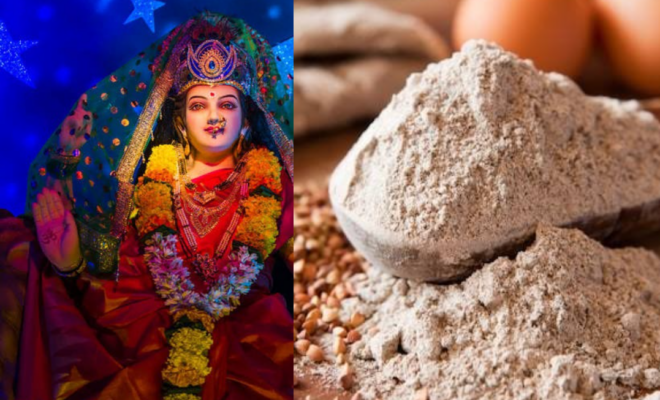
Food Safety and Standards Authority of India (FSSAI) has stressed upon the significance of conducting inspections and testing of quality in relation to fasting food ingredients. This advice includes the need to be careful about the safety of buckwheat flour (kuttu atta). Such a product is extensively used during Navratri fasting period. Improper storage, infection by fungus, and selling of stale stocks poses health hazards.
Why Is Kuttu Atta Safety Important During Navratri?
There is a great increase in demand for fasting items like kuttu atta, singhara atta, samak rice, fruits, and dry fruits during the time of Navratri. But if there is improper storage and handling, these products become unfit for consumption. The storage of buckwheat flour in moist environments leads to mold or fungus infection. Some types of fungi are known to create mycotoxins, which are toxic to humans. Previous cases of food safety where contaminated buckwheat flour was involved have emphasized the significance of proper storage and inspection.
FSSAI food safety system necessitates food businesses to abide by standards related to hygiene, handling, storage, and quality of the products.
How to Check Kuttu Atta Before Buying
Consumers need to ensure that the buckwheat flour is in proper packaging and condition before buying for fasting during Navratri. Properly packed products with proper labels, batch numbers and expiry date would assist consumers in making an informed decision. It will be prudent to avoid improperly packed and labelled products by choosing trusted retailers for the purchase.
There should be no presence of bugs, unusual discoloration, dampness, or mould in the flour. Musty odour is an indication of deteriorated flour. Consumers should not use contaminated flour as cooking does not guarantee removal of all risks associated with moulded foods.
Upon purchase, kuttu atta should be stored in clean and dry air tight containers.
FSSAI Strengthens Festive Food Safety Monitoring
The wider food safety activities undertaken by FSSAI during the festive season are concerned with prevention of adulteration and making sure that food items are of quality prescribed by the authority. Food safety monitoring of fasting food items becomes more significant during Navratri because of high demand for the items.
Food safety authorities carry out inspection and sample tests to detect non-conforming food products and act against non-compliance.
What Should Consumers Remember?
These FSSAI Navratri fasting guidelines also underscore the need for choosing fresh raw materials and proper food hygiene. It is advisable for consumers to purchase kuttu atta with the right label and ensure that it is in good condition before use. Any individual who feels suspicious about the atta should cease using it.
Proper food handling allows people to practice Navratri fasting without unnecessary health dangers from food.
Your Next Read Starts Here
When Does Winter Paralympics 2026 Begin?
Check out the opening ceremony schedule, venue and viewing options for the Winter Paralympics 2026.
How Can Women Travel Free This Dussehra?
Find out how TSRTC and APSRTC are deploying special buses for festive travel.
Which Multiplayer Games Could Define 2026?
When Will Little Nightmares VR Release?
Discover the expected release details, gameplay experience and PSVR2 compatibility information.
What Can Fans Expect From Cocktail 2?
Get to know Rashmika Mandanna’s role, the movie’s release date and its story.