
India Safely Escorts 60 Merchant Vessels Through Strait of Hormuz: Why the Mission Matters
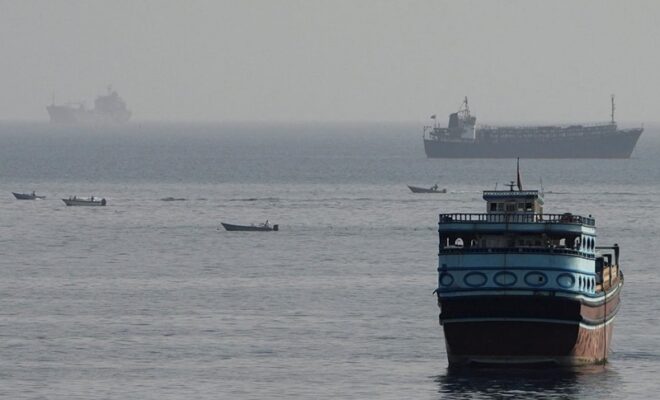
Over 60 cargo ships have been escorted successfully by India through the critical Strait of Hormuz. This exercise is reflective of the increased involvement of the Indian Navy in providing security to international shipping routes amid the rising tensions in West Asia. It is in keeping with India’s efforts to ensure the safe passage of cargo, especially oil, LPG, LNG, and other supplies bound for Indian harbors.
It has become important now, owing to rising security issues surrounding the Strait of Hormuz, arising out of various conflicts and attacks in the area. Through this exercise, India wants to secure its energy security and reassure shipping companies that operate in the region.
Why Is the Strait of Hormuz So Important?
The Strait of Hormuz is considered one of the most strategically important maritime routes in the world. Located at the junction of the Persian Gulf and the Gulf of Oman and the Arabian Sea, it acts as a vital passage for international trade in energy resources.
A substantial volume of the world’s crude oil and LNG goes through this strait each day. In particular, as India imports its major part of crude oil from the Gulf countries, any disruption of the Strait may have an impact on the supply of fuels to India, on transportation costs, and on energy prices inside the country.
What Is India’s Escort Mission?
India has increased its maritime security through Operation Urja Suraksha, and several frontline naval warships have been put in place in the Arabian Sea and the Gulf of Oman. The main aim of these warships is to protect ships flying the Indian flag and the ships that are transporting critical cargo to India after leaving the dangerous waters near the Strait of Hormuz.
As per reports from the defense forces, the Indian Navy has employed destroyers, frigates, and logistic ships to offer protection to the merchant ships as they pass through the region.
The successful protection of 60 merchant ships proves India’s capability of protecting strategic sea routes even amidst regional instability.
Why Does This Mission Matter for India?
About 85% of the total amount of crude oil consumed by India is imported, of which a considerable portion is from the Gulf nations. If there were to be any disruption in the movement of ships in the sea, this would lead to delays in the supply of fuel, raise transportation costs and hence increase fuel prices in India.
Through ensuring safety of merchant ships at sea, the Indian Navy contributes to reduction of risks involved in India’s energy chain. The exercise will also ensure the security of the Indian mariners sailing on merchant vessels.
This mission falls under India’s overall policy of securing maritime routes of strategic importance.
Protecting More Than Just Oil
Even as crude oil gets maximum media coverage, the escorted ships contain not just LPG and LNG but also fertilizers, industrial inputs, foodstuffs, and other critical cargo items.
A disruption in such shipping activities would have far-reaching implications for several sectors of the Indian economy, like manufacturing, transport, agriculture, and energy supply.
In securing smooth maritime trade, India has safeguarded its interests in energy security and commercial security.
Growing Role of the Indian Navy
Within the past few years, the Indian Navy has been transformed into a significant security guarantor in the Indian Ocean Region, in addition to providing coastal defence.
Tasks such as Operation Sankalp and the more recent Operation Urja Suraksha indicate India’s capability of responding rapidly to new maritime challenges like piracy, regional conflict and aggression against commercial shipping.
The task of escorting is another example of greater cooperation between the Navy, shipping corporations and government institutions for ensuring maritime security.
Why The Global Shipping Industry Is Paying Attention
Strait of Hormuz is not only significant for India but also for the rest of the world.
Any aggression against commercial shipping vessels or blocking of the Strait may influence international oil market conditions, freight rates, marine insurance rates, and other supply chain logistics.
Given the rising geopolitical conflicts in West Asia, the need for multi-country naval escort operations becomes more critical for safe conduct of international commerce.
What Happens Next?
According to security analysts, naval operations in the region will go on as long as there continue to be tensions in the area.
The Indian Navy will continue its vigil over sea lanes, cooperation with the merchant fleet and will act quickly to counter any new threats posed to Indian interests.
Though the primary objective continues to be guaranteeing safe transit for merchant vessels, the current operation also helps in consolidating India’s strategic presence in one of the most vital maritime thoroughfares of the world.
Top Stories You Can’t Afford to Miss Today
When Will Tata Curvv EV Launch?
Explore the confirmed launch date, expected price, battery options, driving range, and upgraded features of the Tata Curvv EV.
Why Is Income Tax Portal Slow?
Check how to clear your browser cache, verify your e-filing status, and avoid penalties under Section 234F before the deadline.
How Are India-Japan Supply Chains Evolving?
Discover how India and Japan are strengthening Indo-Pacific supply chains through new bio-gas and semiconductor partnerships.
How Can Patients Book Instantly?
Explore how AIIMS Delhi’s new WhatsApp and ABHA Health ID system makes OPD appointment booking faster and easier.
Why Did Washington Change Strategy?
Discover why the latest U.S. terror designation targets financial networks and what it could mean for future counterterrorism efforts.
Conclusion
The successful passage of 60 cargo ships through the Strait of Hormuz by India is not only a military success but also a strategy adopted for securing its energy security, maintaining its trade continuity, and providing stability in one of the busiest water passages in the world.
In light of the increasing geopolitical risks and uncertainties, such strategies will be indispensable for the Indian navy in the coming days.
Through protecting cargo ships in the Strait of Hormuz, India ensures protection of energy and trade that forms its lifeline.